Kenya Turns Insects Into Food, Jobs for 740K People
Scientists in Kenya are using crickets, mealworms, and other insects to create jobs, fight hunger, and lift nearly a million people out of poverty. Eight beneficial insects are reshaping Africa's food system in surprising ways.
Forget everything you thought you knew about bugs. In Kenya, insects are becoming heroes in the fight against hunger and poverty, with research showing they could lift 740,000 people out of poverty while creating 33,000 new jobs.
The International Centre of Insect Physiology and Ecology in Nairobi is proving that insects belong at the center of healthy food systems. Their work spans from tiny cricket farms to large-scale black soldier fly operations, all grounded in what they call the One Health approach: connecting plant, human, animal, and environmental health.
"Food is produced in the field. You have a diversity of living beings, including insects, that are part of that production landscape," says Abdou Tenkouano, the center's Director General. His team has identified eight insects that could transform how Africa feeds itself.
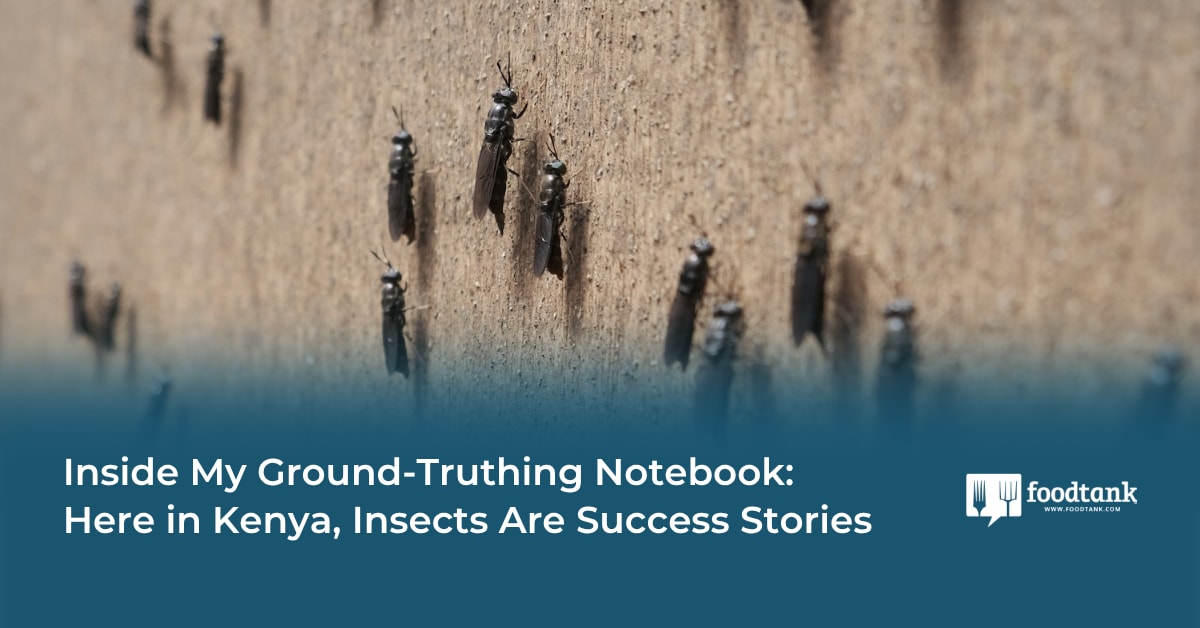
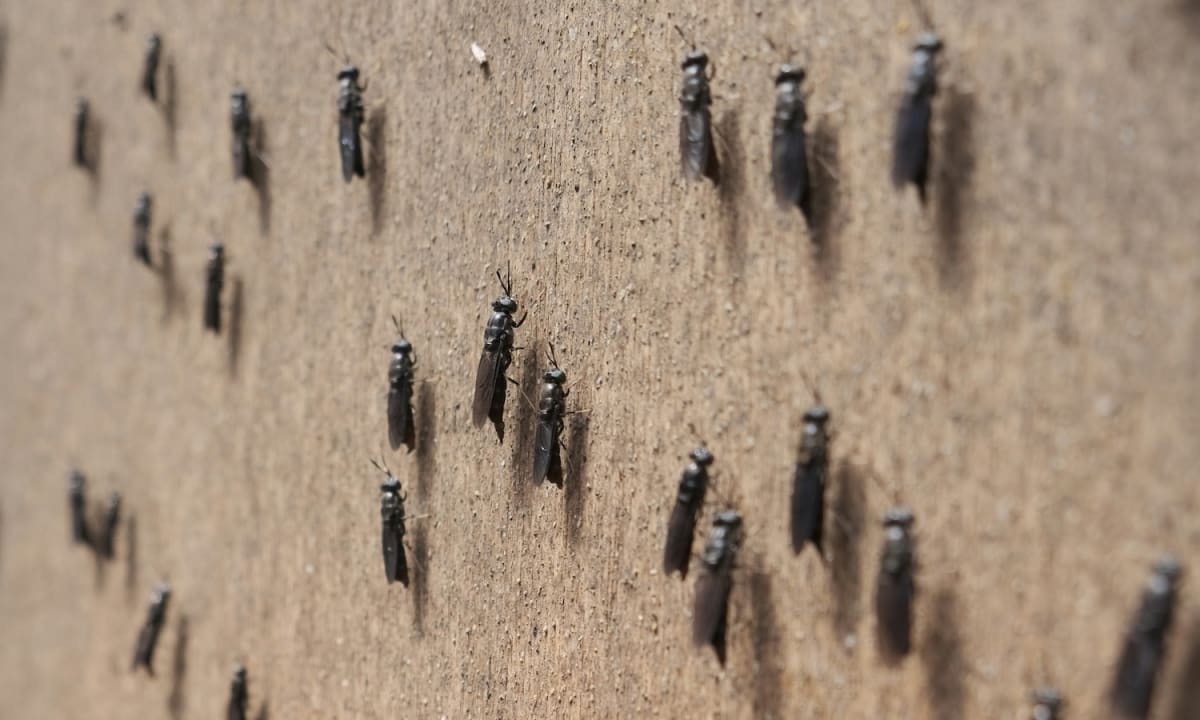
Black soldier flies top the list for versatility. Their larvae become high-protein animal feed, while mature flies manage organic waste and create natural fertilizer that boosts crop yields. Just in Kenya's poultry sector, replacing half of conventional feed with insect-based alternatives could free up enough fish and maize to feed 4.8 million people annually.
Crickets pack remarkable nutrition into tiny packages. Studies show they're loaded with protein, calcium, iron, zinc, and vitamins A through K. Researchers are exploring how they can also contribute to traditional medicine and natural pest control.
Even misunderstood insects are getting their moment. Dung beetles, despite their unglamorous name, enrich soil with nitrogen and help crops retain water. Mealworms don't just provide nutrition—they can actually digest plastic waste, offering a cleaner alternative to expensive recycling processes that create toxic byproducts.
Parasitic wasps naturally control destructive caterpillars that devastate tomato and maize crops across Africa, reducing the need for pesticides. Locusts, once only feared for the damage they cause, turn out to have nutritional value comparable to conventional meat and may even support heart health.
The Ripple Effect
The benefits extend far beyond nutrition. Silk farming from silkmoths and honey production from stingless bees create sustainable jobs, especially for women and youth in rural areas. The global silk market alone is projected to double to $34.1 billion by 2031.
Through programs like MOre Young Entrepreneurs in Silk and Honey (MOYESH), icipe provides direct support to small farmers looking to diversify their income. Stingless bees produce honey used for medicinal purposes while pollinating crops, giving beekeepers multiple income streams.
Chrysantus Tonga, who heads the center's Insects for Food, Feed, and Other Uses Program, explains that insects help "recycle organic waste, mitigate environmental pollution, and produce rich biomass." These tiny creatures address climate risks, biodiversity loss, poverty, and hunger simultaneously.
The transformation happening in Kenya shows what's possible when we rethink our relationship with the natural world. Sometimes the smallest solutions create the biggest impact.
More Images



Based on reporting by Google News - Kenya Success Story
This story was written by BrightWire based on verified news reports.
Spread the positivity!
Share this good news with someone who needs it