Kenya Turns Plastic Waste Into 500+ Jobs for Refugees
Refugees and entrepreneurs across Kenya are transforming plastic pollution into thriving businesses, creating over 500 jobs while cleaning up communities. From boat-building to flip-flop art, these recycling ventures prove environmental solutions can fight poverty too.
When Congolese refugee Raphael Basemi arrived at Kenya's Kakuma camp in 2009, he brought almost nothing with him. Fifteen years later, he runs the camp's largest recycling enterprise, turning discarded plastic into everyday products while employing hundreds of people.
Basemi started as a teacher before founding Fraternity for Development Integrated, offering language and job training to fellow refugees. But during the COVID-19 pandemic, he spotted a bigger opportunity in the plastic waste piling up around the camp.
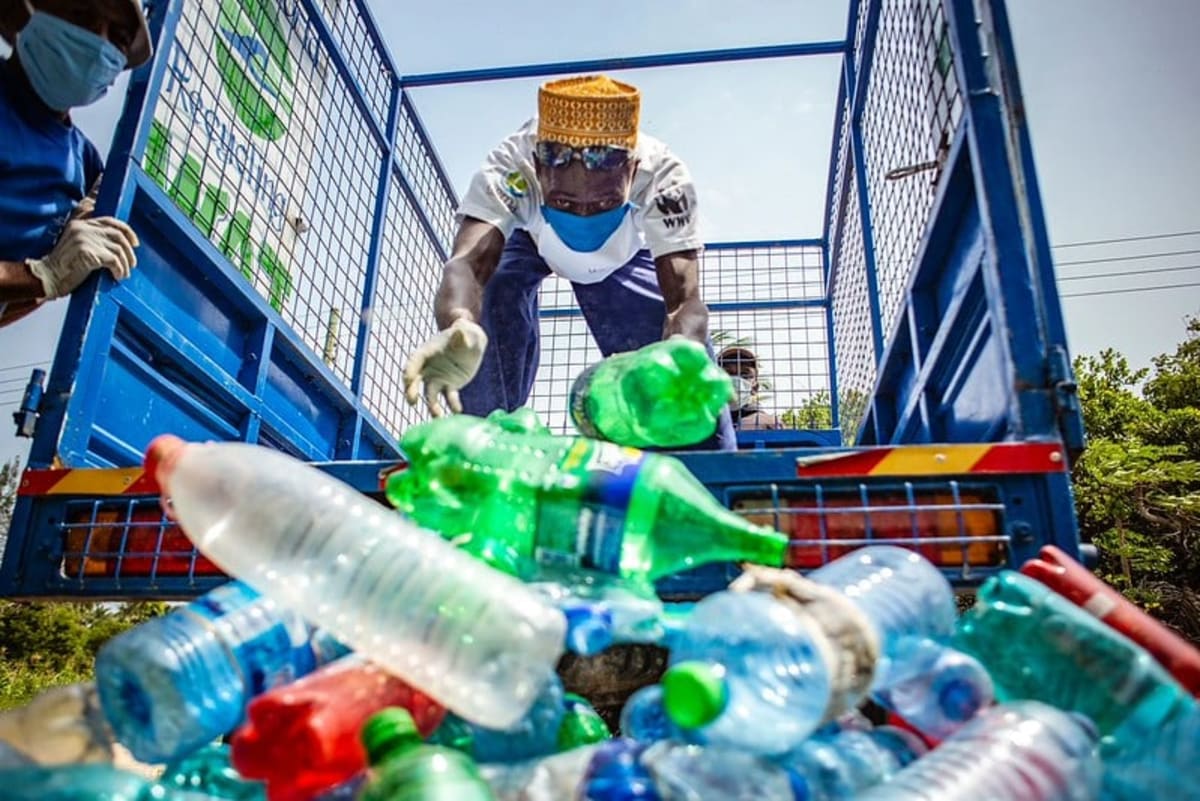
With support from local authorities and the UN Refugee Agency, he launched collection centers and a workshop producing rulers, cups, plates and other items from recycled plastic. The initiative has created more than 500 jobs in just three years, providing stable income for refugee and local families alike.
His story mirrors a growing movement across Kenya, where about one-third of people lived below the poverty line before the pandemic. Recycling businesses are tackling two problems at once: environmental pollution and unemployment.
The Fair Recycling Project brings together the Danish Refugee Council, Mr. Green Africa and Unilever to support informal waste pickers and refugees. Participants receive training, safer working conditions and fair prices for the plastic they collect.
Waste picker Francis started in 2016 with just a sack. After business training and financial support, he now runs a medium-sized recycling operation, buying plastic from smaller collectors and creating additional income opportunities across his community.
Burundian refugee Rukundo collected 46 kilograms of plastic in his first week after joining the program. The income motivated him to expand, and he now encourages other refugees to see plastic as a valuable resource rather than trash.
Beyond refugee camps, entrepreneurs are scaling up innovative recycling ventures. In Mombasa, Baus Taka Enterprise operates a tech-based waste collection system with an all-women team, gathering about 10 tonnes monthly.
The Flipflopi Project in Lamu built a traditional dhow boat entirely from recycled plastic, gaining international attention. The organization now runs collection centers, manufactures furniture and provides technical training while reducing landfill waste.
Ocean Sole transforms discarded flip-flops from Kenya's beaches into sculptures, artwork and home décor. The social enterprise creates jobs for local artisans while raising awareness about marine pollution.
The Ripple Effect: These recycling businesses demonstrate how local innovation can address global challenges. By formalizing waste collection and supporting entrepreneurs, Kenya is building an economy where plastic becomes opportunity. For refugees, women and informal collectors, the recycling sector offers financial independence and long-term stability that traditional aid cannot provide.
Communities worldwide can learn from Kenya's approach: viewing waste as a resource creates cleaner environments, stronger economies and sustainable livelihoods for thousands.
Based on reporting by Google News - Jobs Created
This story was written by BrightWire based on verified news reports.
Spread the positivity!
Share this good news with someone who needs it