Kenya and Japan Team Up to Turn Research Into Real Solutions
Kenya and Japan are strengthening their research partnership to transform laboratory discoveries into practical technologies that solve real-world problems. The collaboration aims to tackle challenges from reducing farm losses to developing better healthcare across both nations.
When researchers from two countries join forces, the goal isn't just publishing papers. It's about creating innovations that actually change lives.
Kenya and Japan are deepening their scientific partnership through a new framework focused on turning research into practical solutions. At a recent workshop in Nairobi, leaders from both nations outlined an ambitious vision: move beyond academic cooperation toward developing technologies that address real development challenges.
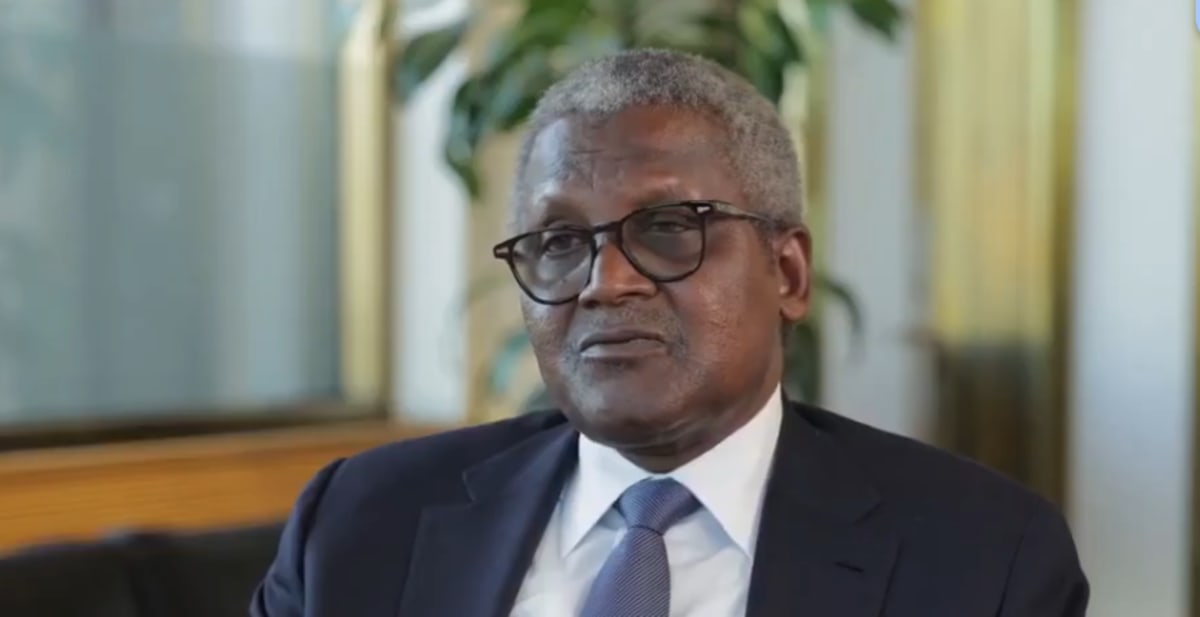
Principal Secretary Shaukat Abdulrazak emphasized that research must respond to urgent needs. He pointed to agricultural post-harvest losses, vaccine development, and personalized medicine as priority areas where collaboration could deliver tangible results.
The partnership brings together complementary strengths. Japan offers decades of experience in cutting-edge technology and scientific infrastructure. Kenya contributes its entrepreneurial energy, innovative spirit, and deep understanding of local challenges.
Strathmore University is already seeing benefits from the collaboration. Dean Godfrey Madigu explained that working with Japanese institutions has helped the university expand beyond business education into engineering and mathematical sciences, creating new opportunities for Kenyan students to gain specialized expertise.
The Japan Society for the Promotion of Science has operated in Nairobi since 1965, making it the organization's longest-running overseas research station. This six-decade relationship has quietly supported researcher exchanges, joint projects, and knowledge sharing across sub-Saharan Africa.
Now the partnership is entering a new phase. Leaders at the workshop stressed that success shouldn't be measured by publication counts or grant amounts alone. Professor Emmanuel Mutisya from the Kenya Advanced Institute of Technology argued for a shift toward "co-creating knowledge" that translates into real-world impact.
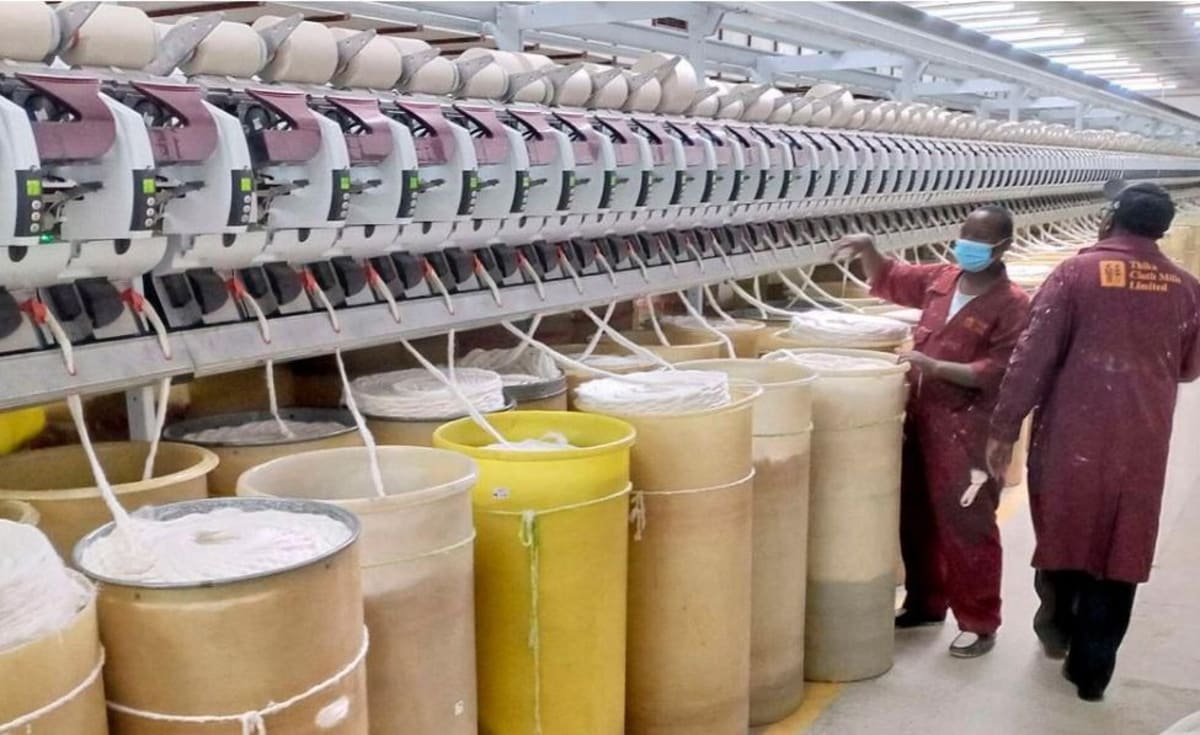
The collaboration targets several critical areas. Researchers are exploring ways to reduce the significant food waste that occurs between harvest and market. In healthcare, they're working on biotechnology applications and preventive medicine tailored to local needs. They're even developing artificial intelligence systems designed around Kenya's specific socio-economic realities.
The Ripple Effect
This partnership represents a broader trend in international science cooperation. By combining Japan's technological prowess with Kenya's innovation ecosystem, both countries gain access to solutions neither could develop alone. Technologies created through this collaboration could eventually benefit communities across Africa and Asia facing similar challenges.
The workshop participants noted that today's complex problems require interdisciplinary approaches. Climate adaptation, digital transformation, and healthcare challenges don't respect national borders or academic departments.
Dr. David Mbuthia from the National Heroes Council highlighted how continuous exchange of data and technology keeps solutions relevant in a rapidly changing world. When researchers share information on environmental conservation or climate adaptation, they build knowledge that evolves with emerging challenges.
Kenya is also working to expand its pool of highly trained scientists in strategic fields including semiconductors, nuclear science, and biotechnology. The Japanese partnership provides pathways for Kenyan researchers to gain specialized training they might not access otherwise.
The emphasis on practical application marks an important evolution in how international research partnerships operate. Rather than focusing solely on theoretical advances, this collaboration prioritizes moving innovations from laboratories into industries, policies, and communities where they can make a difference.
Two nations separated by thousands of miles are proving that scientific collaboration works best when it serves real people facing real challenges.
More Images



Based on reporting by Google News - Japan Innovation
This story was written by BrightWire based on verified news reports.
Spread the positivity!
Share this good news with someone who needs it