Kenya Women Farm Crabs, Plant 1M Trees to Heal Coast
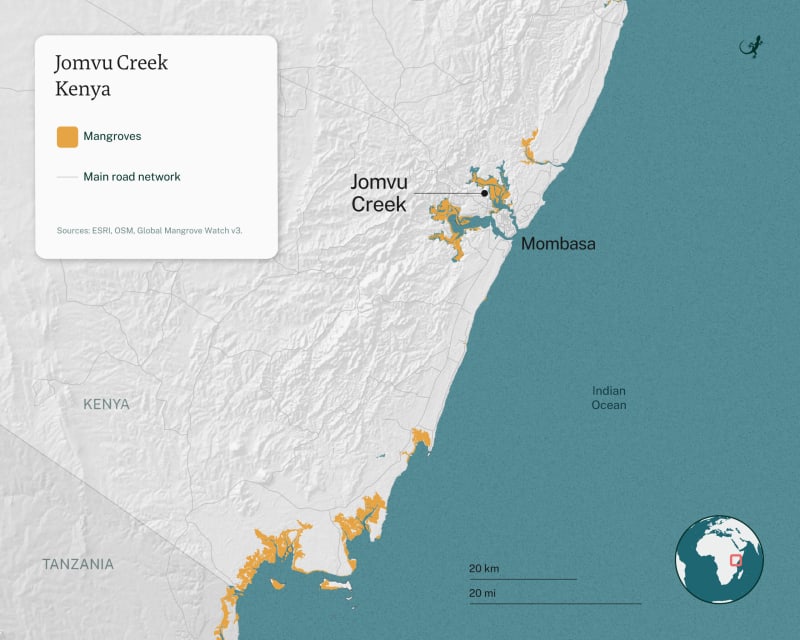
In Jomvu Creek near Mombasa, 17 women turned a $20,900 grant into a thriving crab farm that's restoring their income and their coastline. Their venture has already planted nearly 1 million mangrove seedlings while creating sustainable livelihoods.
Five minutes from the mangroves of Jomvu Creek, a dozen women gather to discuss tides, crab feed, and something remarkable: how they're healing their vanishing coastline one mud crab at a time.
Four years ago, these women were struggling. Most worked as mama karanga, frying fish over smoky charcoal fires near Mombasa's beaches. Others sold fresh fish or stayed home caring for families while fish stocks dwindled and their health suffered from cooking smoke.
When Kenya's marine development project offered blue economy grants in 2021, these women saw an opportunity. They taught themselves to write a business proposal for something completely new: mud crab farming.
Nearly half their original 30 members dropped out, convinced the project was too risky. Some doubted that women over 30, juggling households and children, could maintain such an unfamiliar venture. Fourteen women and three supportive men they call "male champions" pushed forward anyway.
Their persistence won them $20,900 to launch a mud crab fattening operation and build a wooden boardwalk through the creek's mangroves. Chairperson Charity Baya explains their choice simply: "Fish were disappearing from our plates and our income. Crabs are valuable, and there was no one farming them in Mombasa."
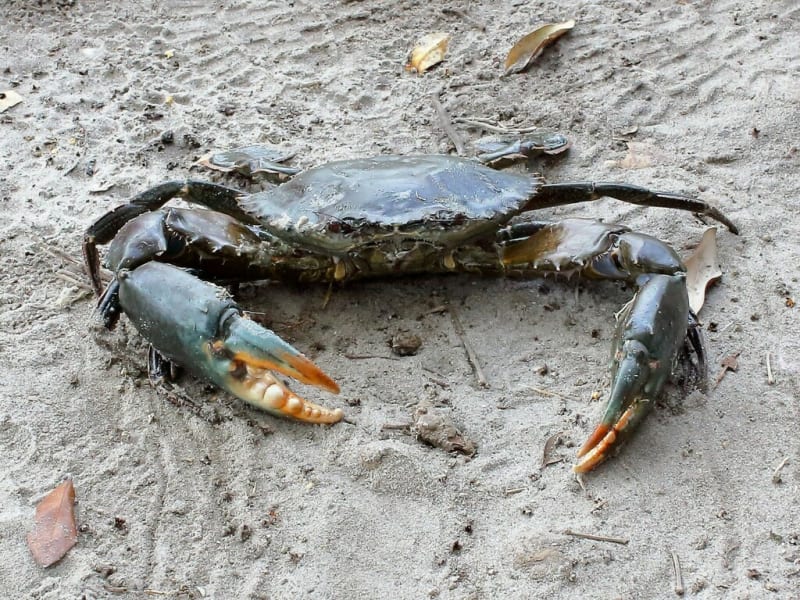
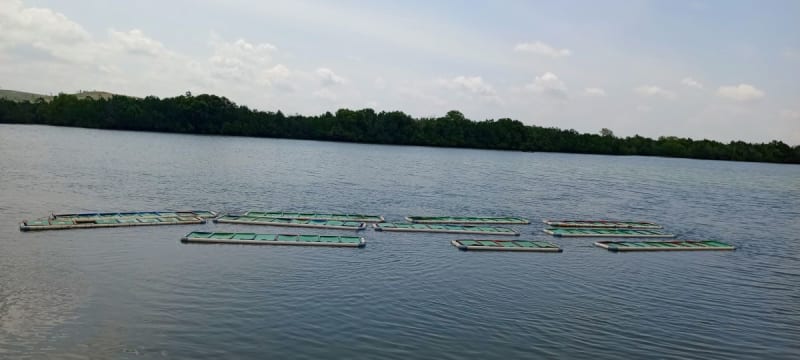
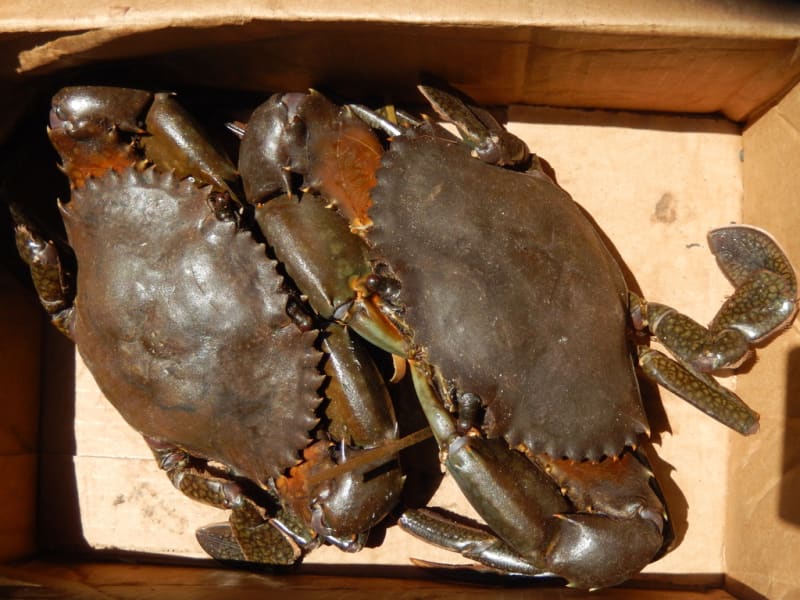
The women now raise giant mud crabs in repurposed bread crates anchored in the tidal creeks. Each cage holds two crabs, fed on a strict schedule with small fish, shrimp, and marine snails gathered locally. In six to eight weeks, juvenile crabs grow from about 10 ounces to harvest weight of nearly 2 pounds.
The crabs sell for $7 per kilo to local distributors and aquaculture companies. In a good month, sales reach $310, modest but meaningful for women who were living hand to mouth. For treasurer Mwanasiti Mwaka Chirima, who spent 30 years frying fish, the change saved her health after doctors warned the smoke was destroying her lungs.
The Ripple Effect
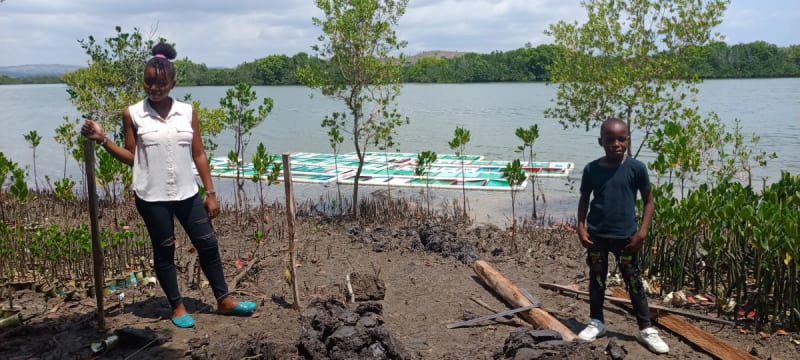
The crab farm sparked something bigger than income. The women see themselves as caretakers of Jomvu Creek, linking their livelihood directly to environmental healing. They've planted nearly 1 million mangrove seedlings along the shoreline.
Those trees stabilize the coast, reduce erosion, and create nursery habitats where fish and young crabs thrive. The 590-foot boardwalk they built serves double duty: easier access to their crab cages and the foundation for ecotourism, offering guided mangrove tours once they raise funds to extend it.
What started as a survival strategy became a restoration project. The women who once watched their coastline vanish are now bringing it back, proving that environmental healing and economic hope can grow together in the brackish waters of a tidal creek.
More Images
Based on reporting by Mongabay
This story was written by BrightWire based on verified news reports.
Spread the positivity!
Share this good news with someone who needs it