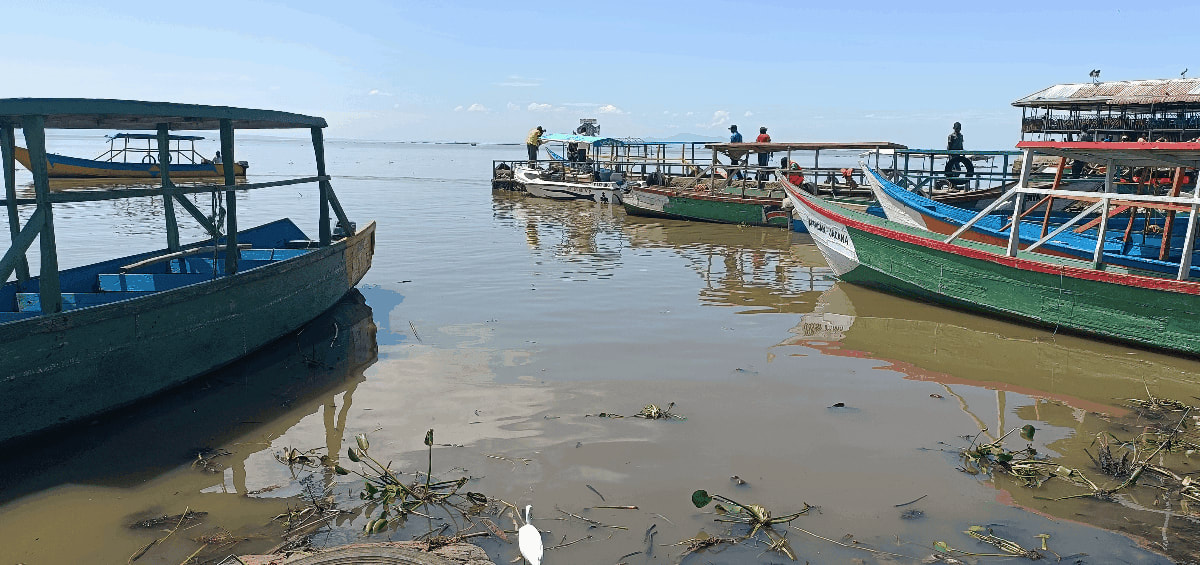
Kenya Youth Revive Lake Victoria Wetland for Rare Birds
Young conservationists in Kenya transformed a trash-choked beach into a thriving wetland haven for endangered species. Their community-powered cleanup now protects rare birds and antelopes while creating jobs through ecotourism.
At Dunga Beach on Kenya's Lake Victoria, bird-watchers gather at dawn hoping to glimpse the papyrus gonolek, a striking red and black bird found nowhere else but East African wetlands. Just two decades ago, this same shoreline was drowning in plastic waste.
In 2002, the beach was an eyesore. Mountains of trash choked the waters, and locals were harvesting papyrus reeds faster than they could regrow to make furniture and handicrafts as fish populations dwindled.
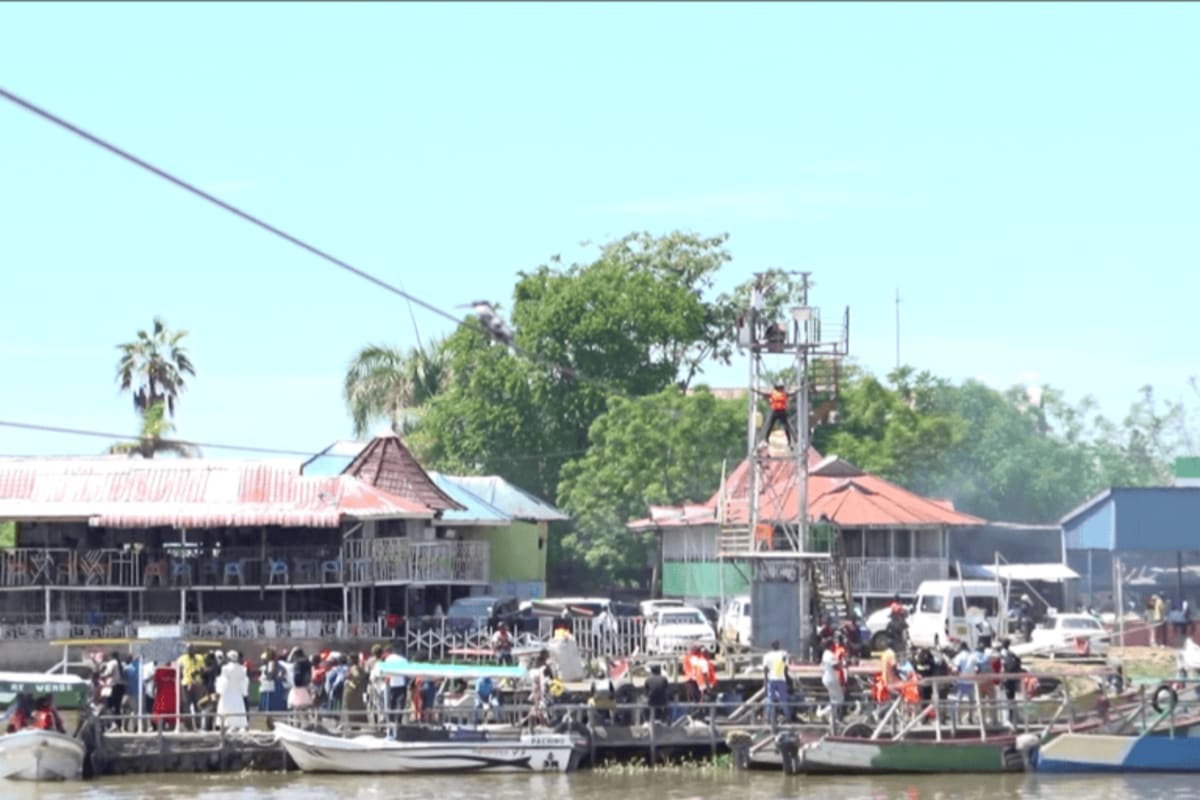
That's when young people stepped in. The Dunga Ecotourism and Environmental Association (DECTTA) rallied local youth to clear the plastic and reimagine their home as an ecotourism destination. Dozens of young men became boat operators and nature guides, showing tourists the wonders of the wetland instead of stripping it bare.
The effort stumbled by 2006 when enthusiasm waned and everyone rushed back to harvesting reeds for profit. But the Great Recession of 2008 brought young people home from cities, and they revived the movement with renewed purpose.
Today, Victor Ochieng' Didi, 32, leads tourists down wooden boardwalks where rare species thrive again. The wetland now shelters the near-threatened papyrus gonolek and papyrus yellow warbler, both completely dependent on these disappearing habitats. Fewer than 500 sitatunga antelopes remain in Kenya, and Dunga provides critical refuge.
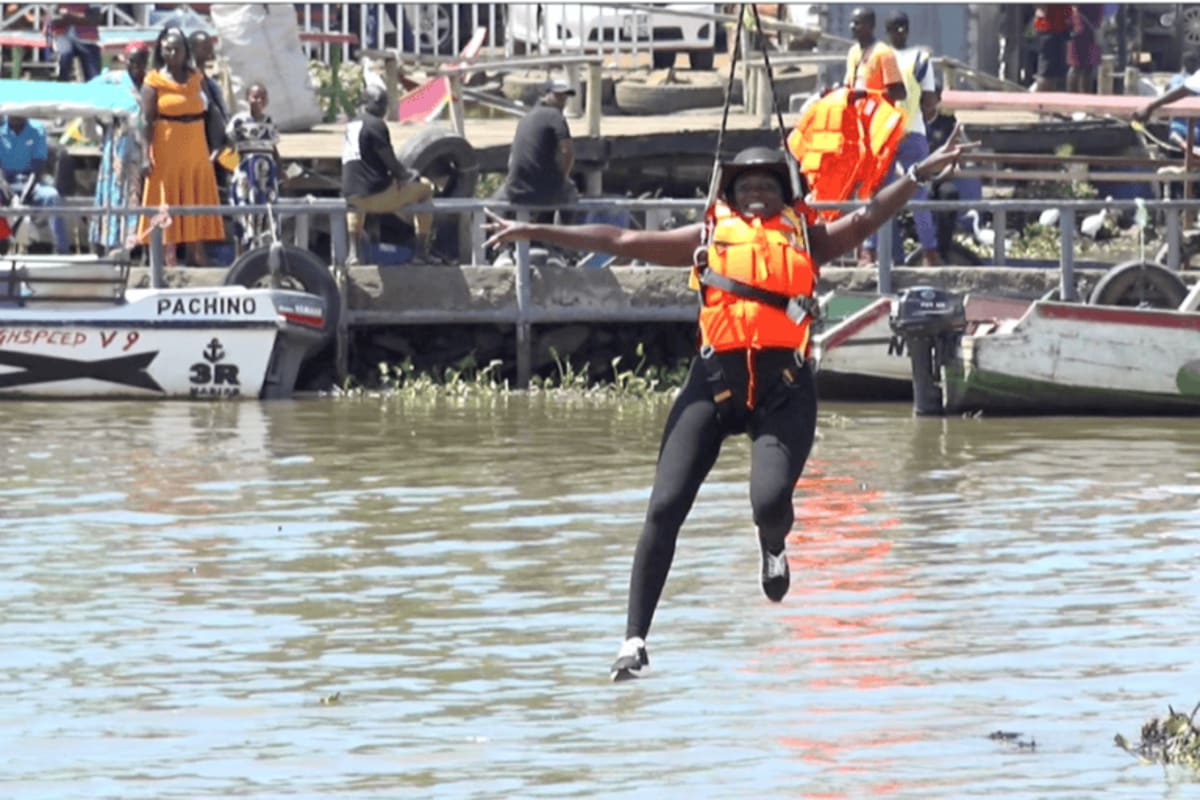
The Ripple Effect spreads beyond wildlife. DECTTA charges modest fees for wetland tours and boat rides, using profits to maintain the beach and fund food programs for elderly residents and local schools. One member even operates a zip line over the lake, turning conservation into adventure.
"At the end of the day, people want to earn money," Didi explains. "When tourism earns them something while funding food programs for the elderly, it becomes easier to convince people to stop harvesting reeds."
The group is now pushing for official government protection of Dunga as a gazetted wetland. Scientists have already recognized it as a Key Biodiversity Area, an important carbon sink threatened by pollution and unsustainable harvesting.
What started as a youth cleanup project has become a blueprint for community conservation, proving that protecting nature and supporting livelihoods can go hand in hand.
More Images

Based on reporting by Mongabay
This story was written by BrightWire based on verified news reports.
Spread the positivity!
Share this good news with someone who needs it

