Kenyan AI App Helps Blind Navigate Nairobi Streets
A Kenyan-built app called Sightra uses AI and audio guidance to help visually impaired people navigate Nairobi's challenging roads, identifying obstacles like open drains and parked vehicles. Built specifically for African infrastructure, it shows how local innovation can solve local problems better than imported solutions.
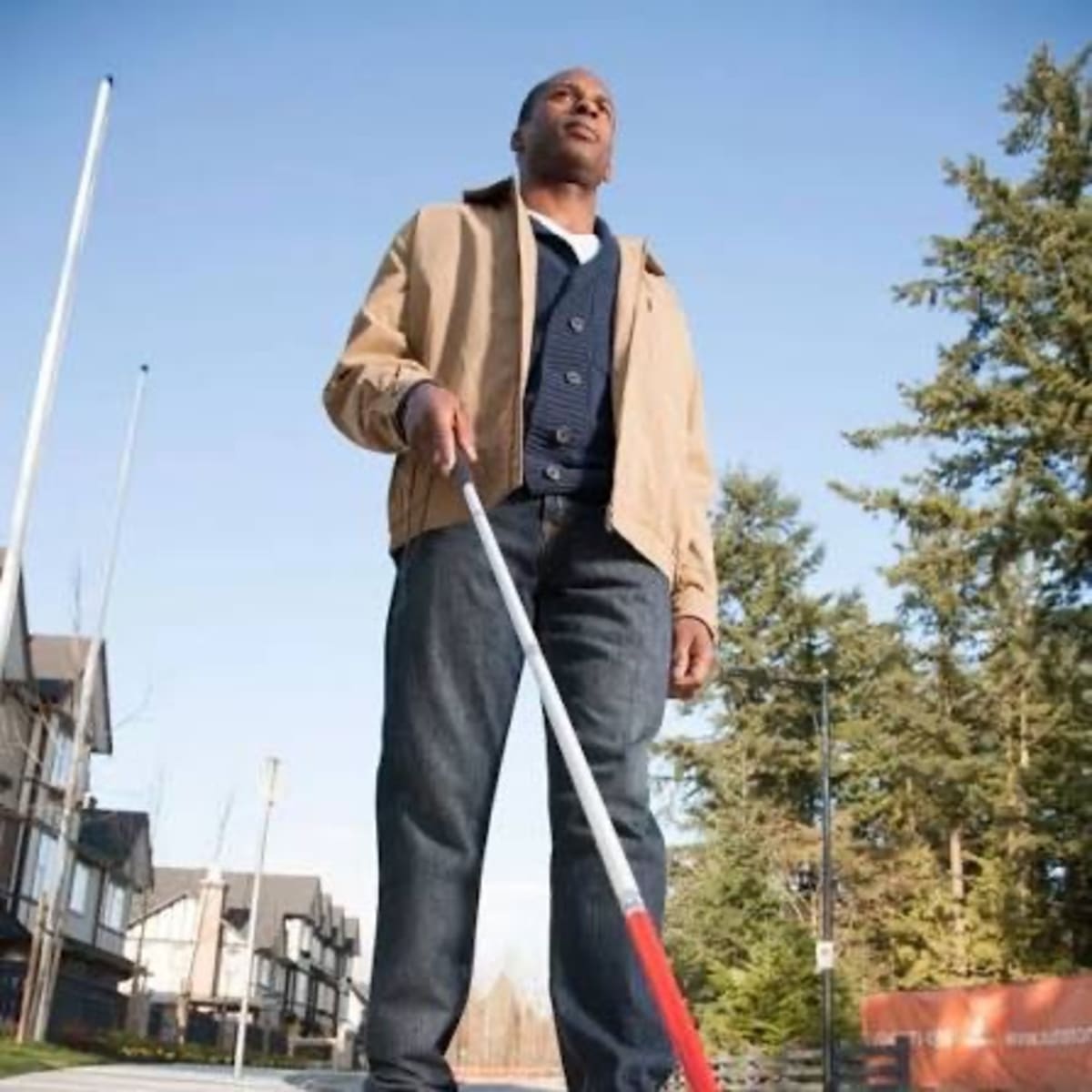
Navigating Nairobi's streets means dodging open drains, broken pavements, and unpredictable obstacles that would challenge anyone, but for people with visual impairments, every journey can feel like a risky puzzle.
Two Kenyan developers just made that puzzle a little easier to solve. Ruth Nzuki and Brian Gillo created Sightra, an AI-powered smartphone app that acts like an extra set of eyes for users, detecting obstacles ahead and describing them through audio guidance.
The app works by combining object detection technology with GPS navigation and real-time speech feedback through an earpiece. As users walk, the system identifies obstacles in their path and converts that information into spoken descriptions, giving advance warning about things a mobility cane might miss until the last second.
Lawyer Julius Mbura has been testing Sightra on his daily walk from the car park to his Nairobi office. He says the audio descriptions help him spot parked vehicles and trees before he reaches them, though he's honest that the technology still needs refinement in accuracy and clarity.
That honesty matters because assistive technology only works if people can rely on it when it counts. The Sightra team knows their app needs to perform flawlessly in real-world conditions, not just in controlled tests.
What makes Sightra different from similar apps built elsewhere is where it learned to see. The AI models were trained specifically on Kenyan roads, learning to recognize the unpredictable infrastructure that defines daily life in Nairobi: missing kerbs, sudden drop-offs, crowded spaces, and physical obstacles that change without warning.
Technologies built for smooth Western sidewalks often fail when they encounter environments they were never designed to understand. By starting with African conditions instead of adapting foreign solutions, Nzuki and Gillo created something that actually fits the streets their users navigate every day.
Around 2 percent of Kenyans aged five and above have visual difficulties, according to the country's 2022 health survey. Sightra is already being tested in partnerships with schools serving visually impaired students, and the service costs $100 annually after a free six-month trial period.
The Ripple Effect
Sightra represents something bigger than one navigation app. It shows what becomes possible when African developers stop waiting for solutions built elsewhere and start building for the problems they understand best.
The innovation also raises an important question about responsibility. Technology can help people navigate inaccessible infrastructure, but it shouldn't replace the obligation to make roads, buildings, and public spaces accessible in the first place.
Kenya's National Council for Persons with Disabilities acknowledges that physical environments remain difficult for people with disabilities to navigate. Apps like Sightra offer independence now while longer-term infrastructure improvements remain works in progress.
The founders know their app isn't perfect yet, but that's exactly how meaningful innovation grows: start with a real problem, build a locally informed solution, and keep improving until technology expands independence instead of leaving people behind.
More Images


Based on reporting by Google News - Africa Innovation
This story was written by BrightWire based on verified news reports.
Spread the positivity!
Share this good news with someone who needs it