Kenyan Prison Coding Lab Rewrites 25 Young Lives
A tech entrepreneur who grew up in Kenya's largest slum is teaching coding and robotics to incarcerated youth, giving them digital skills to rebuild their futures. Of the first 25 students, 21 had never touched a computer before.
When Paul Akwabi walked into a youth prison near Mombasa, Kenya, he saw his younger self staring back at him.
Growing up in Kibera, one of the world's largest slums, Akwabi delivered drugs and guns for older boys as a child. He escaped that path by teaching himself electronics through books and repairing radios, eventually earning a computer science degree while working as a street vendor.
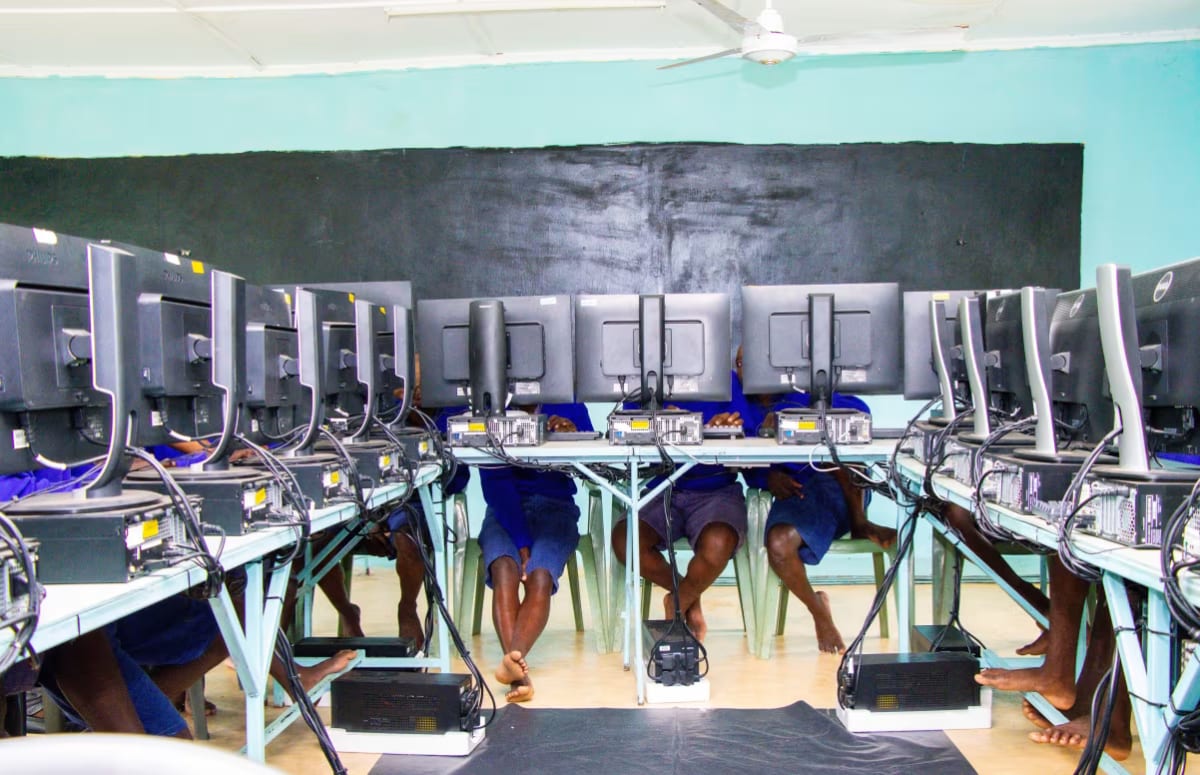
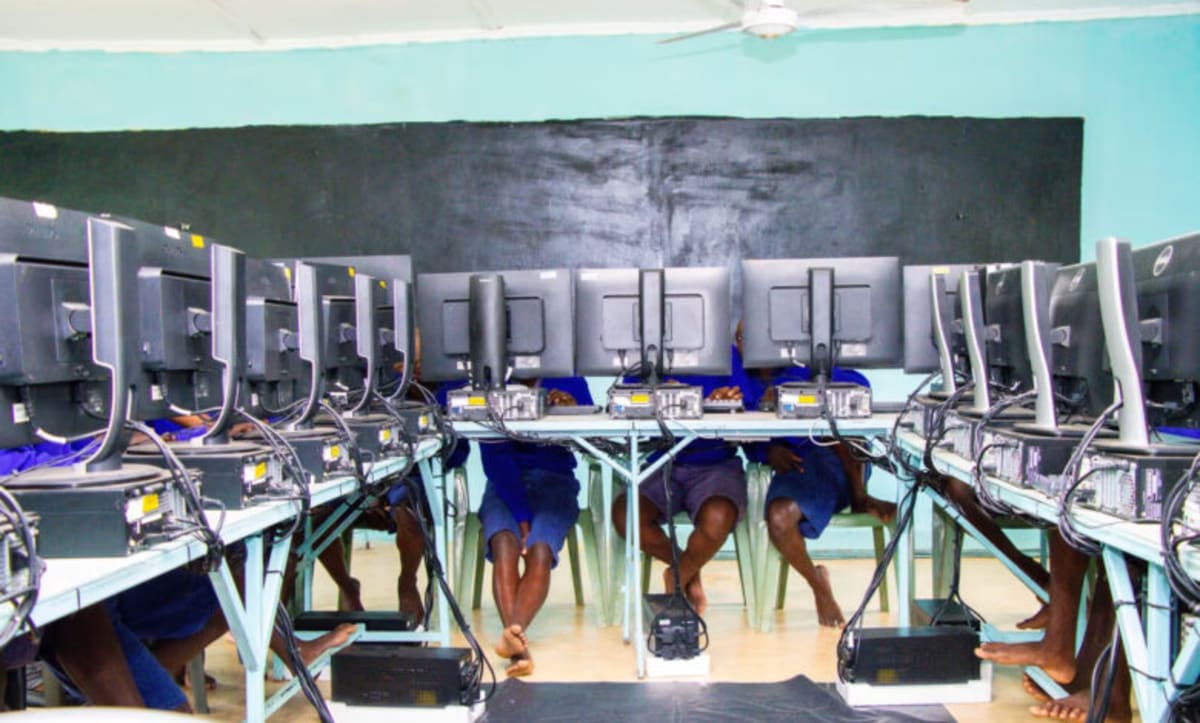
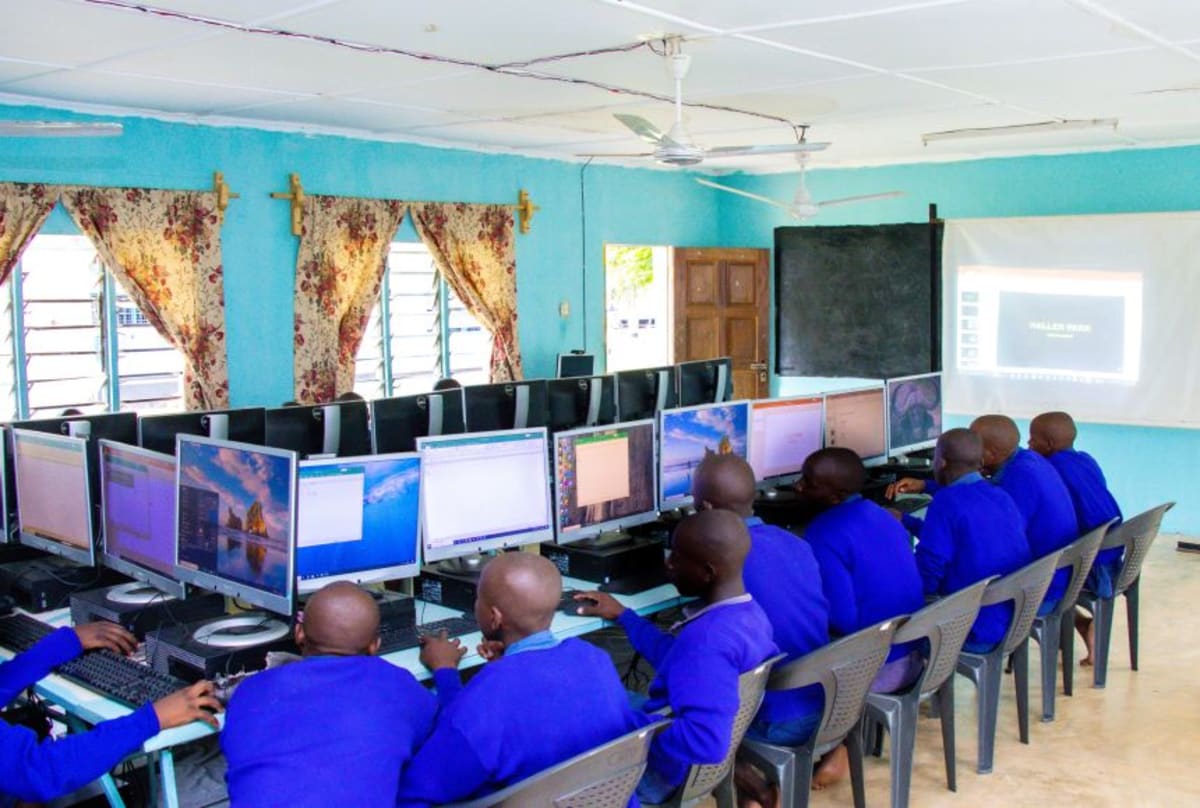
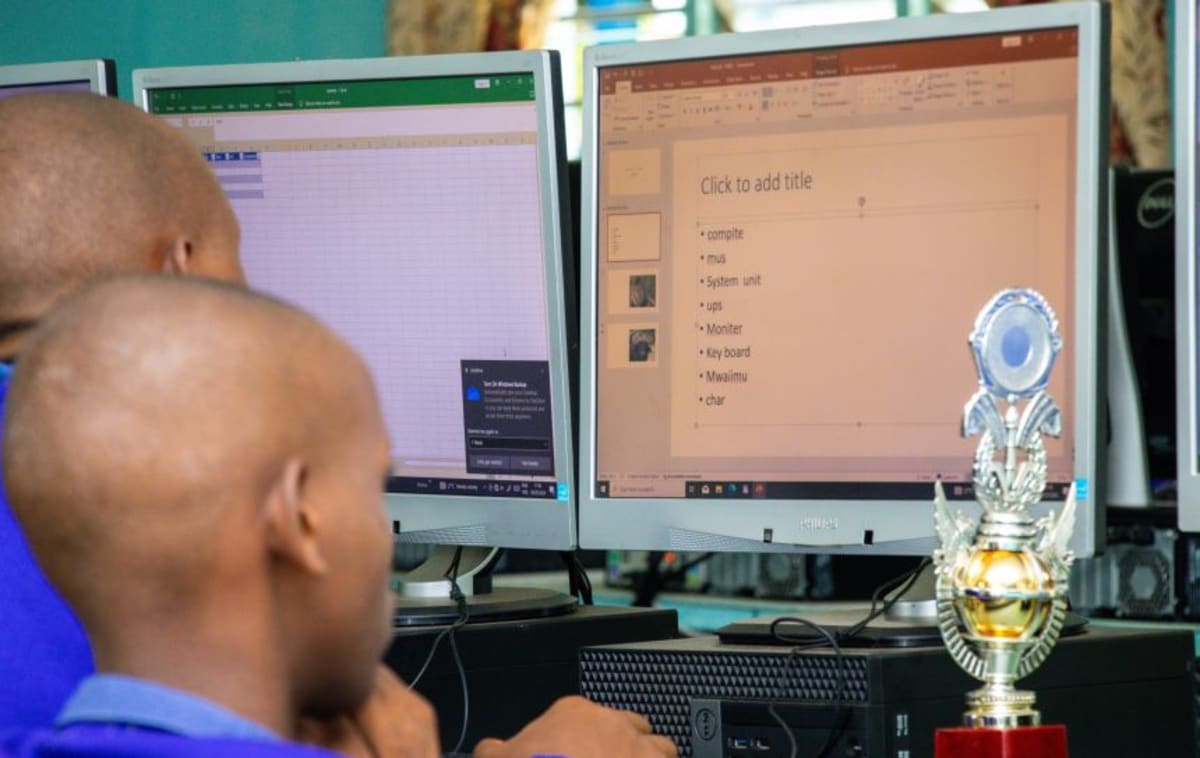
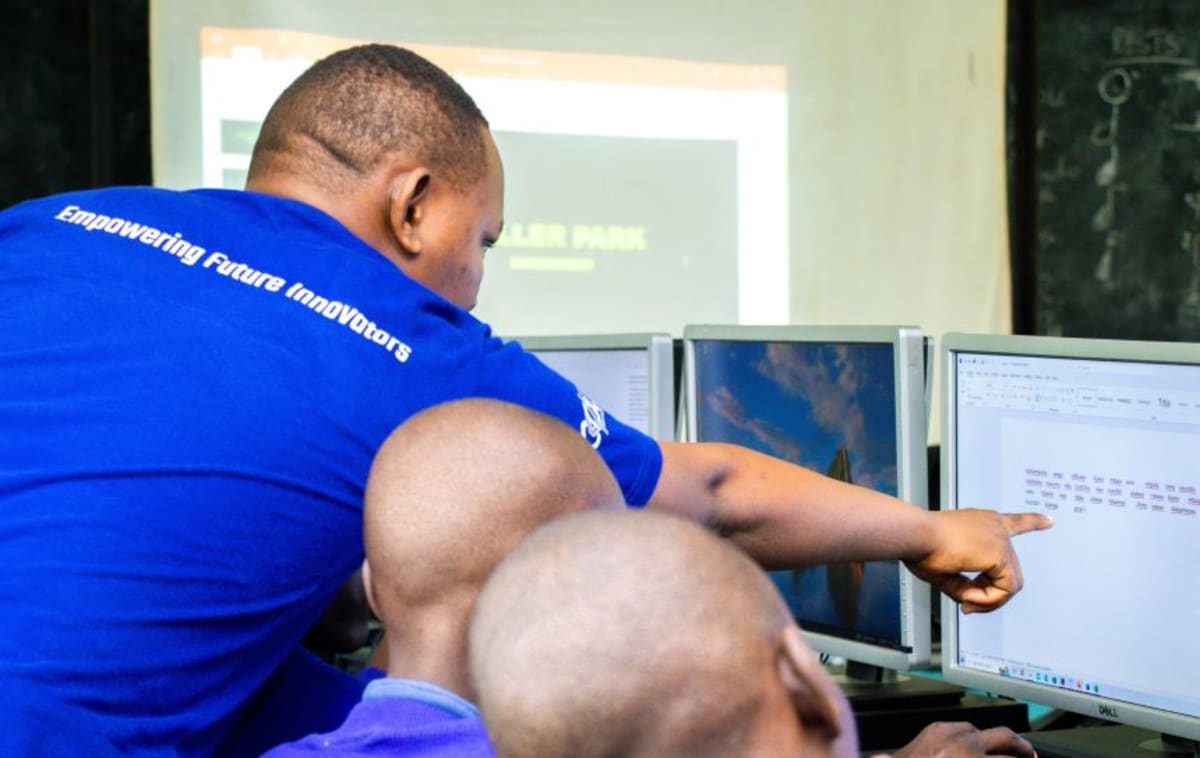
Now he's bringing that same lifeline to incarcerated boys at Shimo La Tewa Borstal Institution. In 2024, his nonprofit TechKidz Africa partnered with Close the Gap Kenya to install a computer lab inside the prison and create a three-month digital literacy course focused on employability and online safety.
The digital divide in Kenya runs deep. While over 50% of Kenyans use mobile phones, only 11.6% have ever used a computer, with rural communities hit hardest by the gap.
Of the first 25 boys selected for the program, 21 had zero prior exposure to computers. "We had to start from way, way lower, just understanding even what computers are and their purpose," Akwabi told CNN.
The results speak louder than statistics. A 19-year-old from Nyeri County who struggled at first with basic computer operations is now building skills for his future. An 18-year-old from Meru County discovered graphic design and plans to promote his plumbing business after release.
The curriculum moves from digital ethics and hardware repairs through Microsoft Office skills, then advances to coding, web design, robotics, video production, and graphic design. Most students already have hands-on vocational skills like carpentry or barbering but never learned how to market themselves digitally.
One aspiring barber now creates promotional posters. A 20-year-old from Kilifi County is building a website for his tailoring business and says he's confident it will boost sales.
In September 2025, the organizations helped students convert a garden shed into a "digital booth" where inmates can video call their families or attend counseling sessions.
The Ripple Effect
Prison staff noticed something unexpected. Motivation surged across all prison programs, not just the computer lab. Boys who gained tech skills started approaching other challenges with fresh confidence.
Senior Superintendent Jostinah Wawasi Mwang'ombe says the facility now ensures every boy receives basic "digital hygiene" training to use technology securely and positively after release. The prison, which houses boys aged 15 to 18 serving three-year sentences for serious offenses, requires all inmates to enroll in education, vocational training, or agriculture programs.
When the course launched, every single boy wanted to participate. Computer shortages meant some students had to share equipment, but that didn't dampen their enthusiasm.
One student dreams of becoming an ICT teacher to help other young people access tech training. Another is building websites while still behind bars, already thinking entrepreneurially about life after release.
"Technology became more than an interest, it became my pathway to possibility," Akwabi said of his own journey—a pathway he's now paving for 25 young men who needed it most.
More Images
Based on reporting by Egypt Independent
This story was written by BrightWire based on verified news reports.
Spread the positivity!
Share this good news with someone who needs it