Kenyan Villagers Shield Endangered Giraffes Despite Struggles
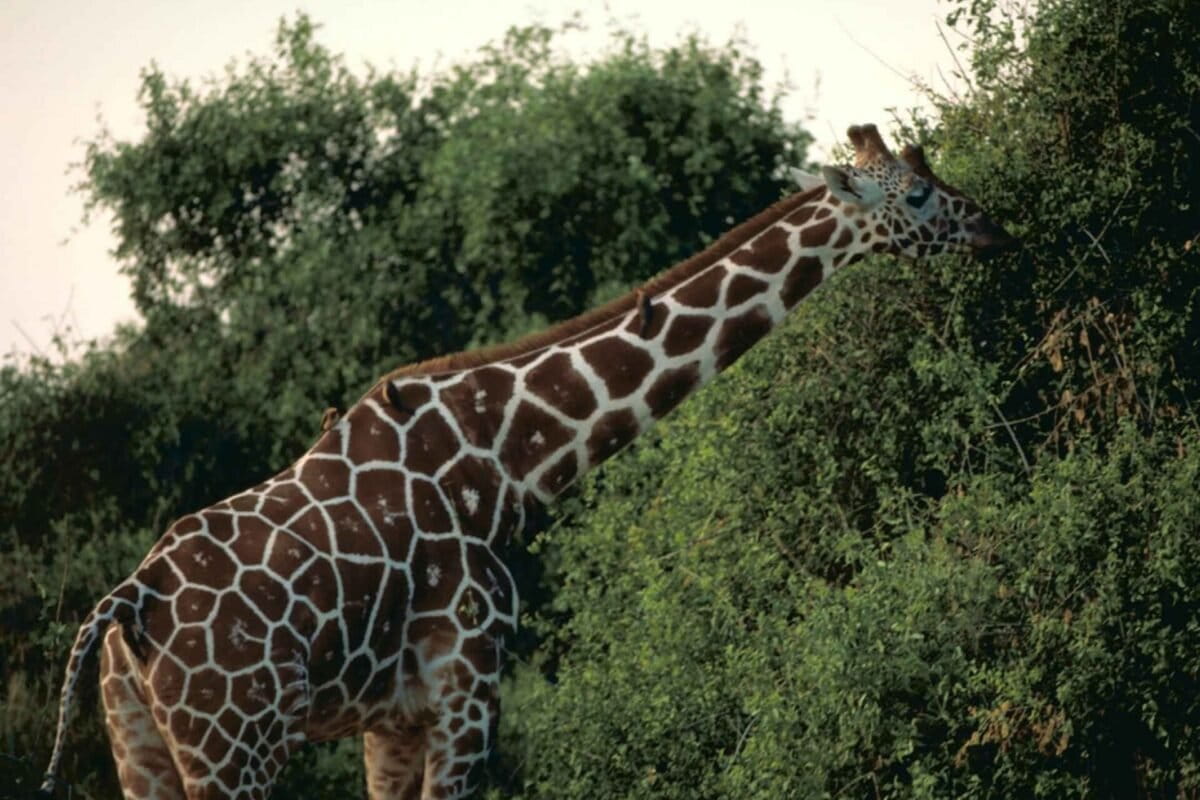
A village in northeastern Kenya created a giraffe sanctuary in 1995, and new research shows locals still support protecting these endangered animals even when giraffes eat their crops and compete for water. The findings reveal hopeful paths forward for both people and wildlife.
In a world where wildlife often loses to human needs, one Kenyan village chose a different path three decades ago.
Volunteers from Bour-Algy village established a sanctuary for endangered reticulated giraffes along the Tana River in 1995. Now, researchers have finally asked locals what they really think about their tall neighbors.
The answer surprised scientists. Despite occasional crop losses and water competition, most residents view giraffes as low-risk and worth protecting.
Fewer than 20,000 reticulated giraffes remain in the wild today, down 56% over 30 years. That makes community support critical for their survival.
Researcher Abdullahi Ali and his team interviewed 400 households around the sanctuary. They discovered that over half reported no damage to their land or property from giraffes.
The conflict isn't really about giraffes at all. "The concerns raised were largely indirect, particularly competition for water, habitat encroachment, and broader livelihood pressures, rather than giraffes themselves," Ali explained.
Farmers who lose mangos and other crops to hungry giraffes show the most frustration. But pastoralists, traders, and government workers rarely have complaints.
The Ripple Effect
The findings led directly to solutions. The Somali Giraffe Project, which Ali works with, now provides alternative water sources for wildlife to reduce pressure on the Tana River.
The group built the region's first wildlife education center. Schoolchildren, farmers, youth, and elders learn about giraffe conservation together, building understanding across generations.
Monica Bond, a giraffe biologist in Tanzania, called the research "a useful model for how to quantify conflicts and risks, and to understand what people require to live safely and peacefully with giraffes."
The Bour-Algy story shows what happens when communities lead conservation instead of outside experts imposing rules. Local knowledge combined with targeted support creates space for both people and endangered species to thrive.
More Images
Based on reporting by Mongabay
This story was written by BrightWire based on verified news reports.
Spread the positivity!
Share this good news with someone who needs it