Tiny Marsupials Thrive in Fire-Proof Homes After Bushfire
Simple artificial shelters made from iron sheets and leaf litter are helping endangered Kangaroo Island dunnarts recover after bushfires destroyed 90% of their habitat. The feisty marsupials are now being spotted in more locations than before the fires.
A tiny marsupial with a big bite is making a remarkable comeback after one of Australia's most devastating bushfire seasons.
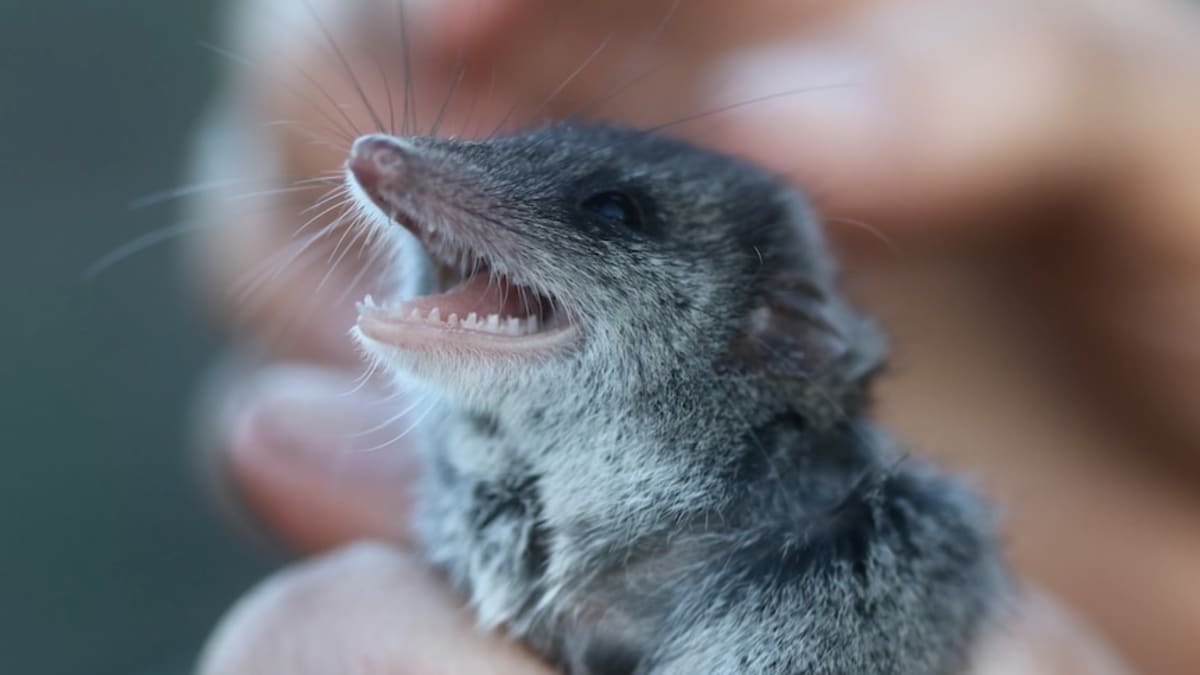
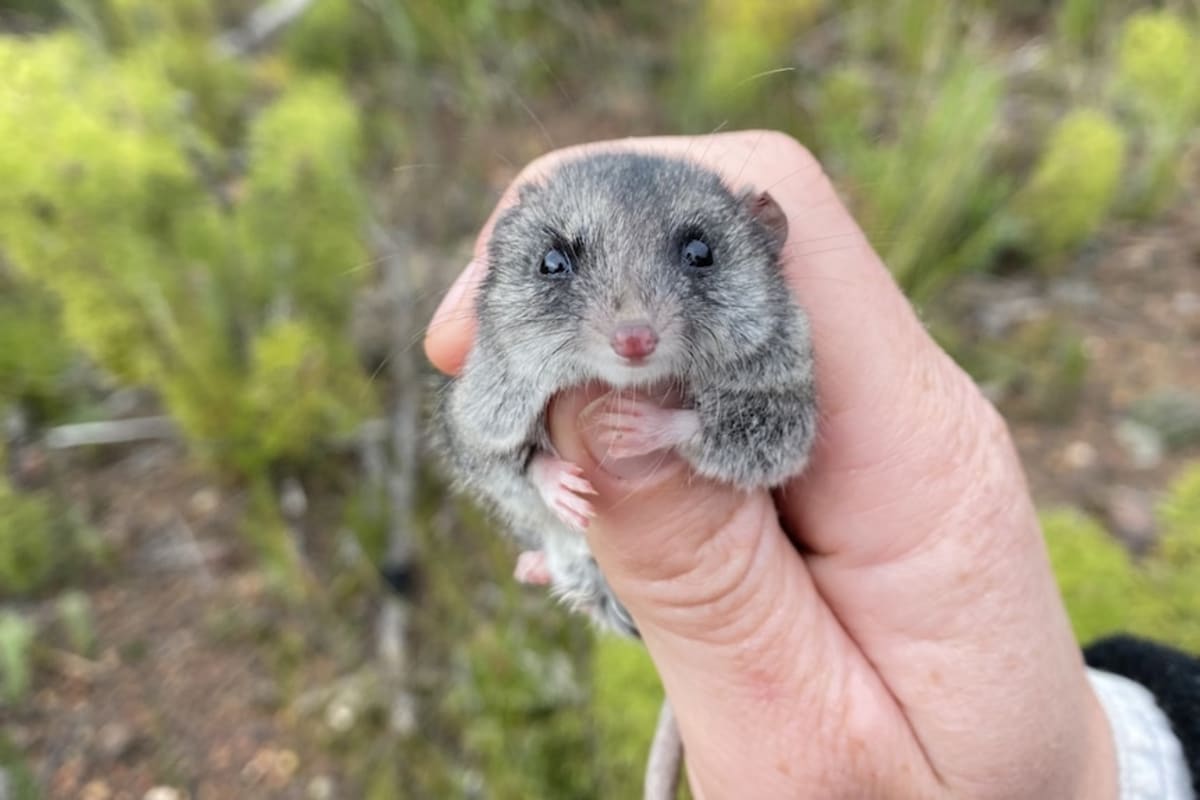
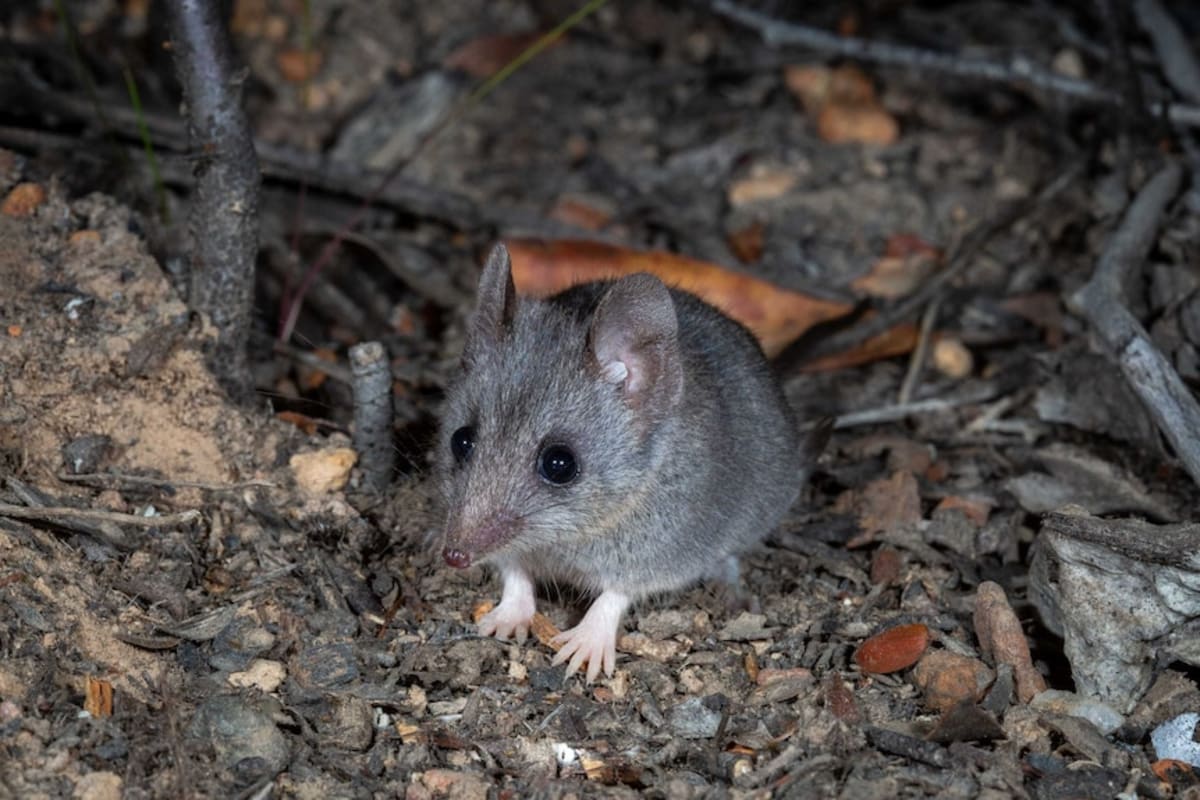
The Kangaroo Island dunnart, a mouse-sized endangered marsupial, lost more than 90% of its habitat when bushfires tore through the island in 2019 and 2020. Without logs, ground cover, and protective vegetation, the fierce little creatures faced starvation and predator attacks.
Six years later, researchers have found a surprisingly simple solution. The Kangaroo Island Landscape Board created artificial homes using scooped-out nests filled with leaf litter and covered with corrugated iron sheets.
The dunnarts welcomed their new accommodations immediately. In areas where natural habitat was destroyed, the tiny marsupials eagerly moved into the human-made shelters for breeding, nesting, and protection from predators.
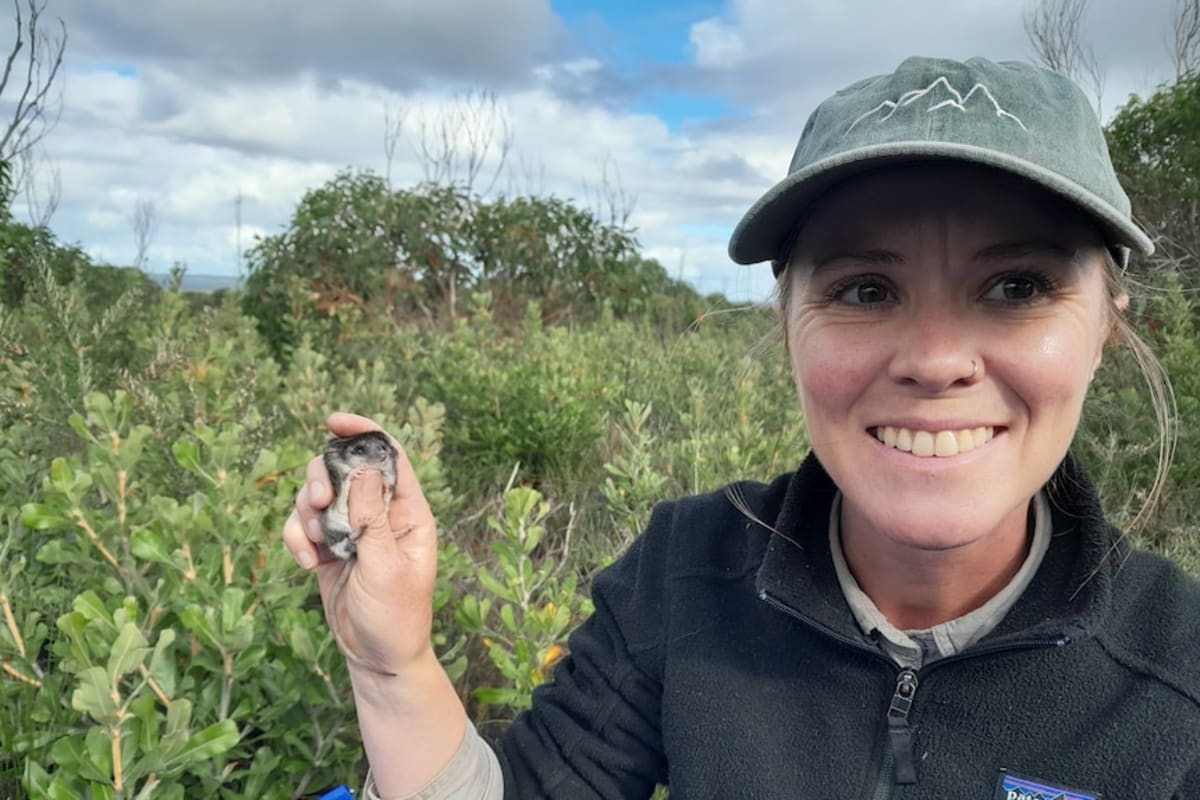
"This really shows how threatened species can be helped in such a practical way after a major disturbance," said Hannah Byrne-Willey, biodiversity project officer at the Kangaroo Island Landscape Board. The structures are designed to withstand bushfires, providing immediate post-fire shelter when animals need it most.
The Ripple Effect
The artificial habitats have delivered an unexpected bonus for conservation efforts. Dunnarts, notorious for avoiding traps, are much easier to monitor in their new homes.
Researchers can now lift the shelters briefly to assess the animals before releasing them back underneath. This improves animal welfare by keeping dunnarts safe from weather and predators during research, unlike traditional traps that leave them exposed.
The conservation community is taking notice. Highlighted as a case study on the national platform Adapt Land&Sea, the project could help other vulnerable species facing climate-driven disasters.
"This method could be adapted to other species and is scalable," Byrne-Willey said. "You don't need to wait until after a catastrophic bushfire to deploy them."
Despite their small size, the dunnarts pack serious attitude. Researchers report the animals bite readily and use their loose skin to wriggle free from handlers during assessments.
But that feisty spirit seems to be serving them well. The species is now being recorded in more locations than before the devastating fires, surprising conservationists who feared the worst after losing nearly all their habitat.
The dunnarts' remarkable recovery offers hope that simple, practical interventions can make a real difference for threatened species in an era of increasingly severe climate events.
More Images
Based on reporting by ABC Australia
This story was written by BrightWire based on verified news reports.
Spread the positivity!
Share this good news with someone who needs it