Scotland Creates New Homes for Adders and Rare Reptiles
A major peatland restoration project near Dumfries is building special winter shelters for adders, slow worms, and lizards while bringing ancient bog habitat back to life. The three-year effort protects vulnerable reptile populations while restoring one of Europe's most important carbon-storing ecosystems.
Scotland is giving its rarest reptiles a lifeline with a thoughtful approach to restoring 1,255 acres of ancient peatland near Dumfries.
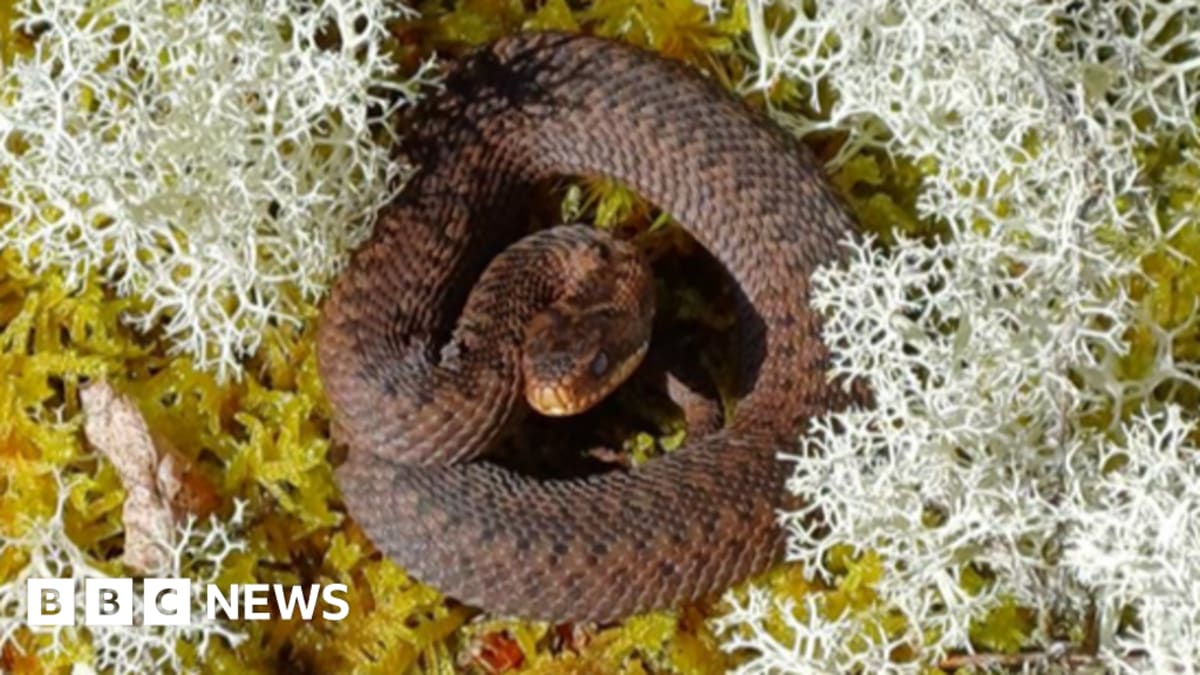
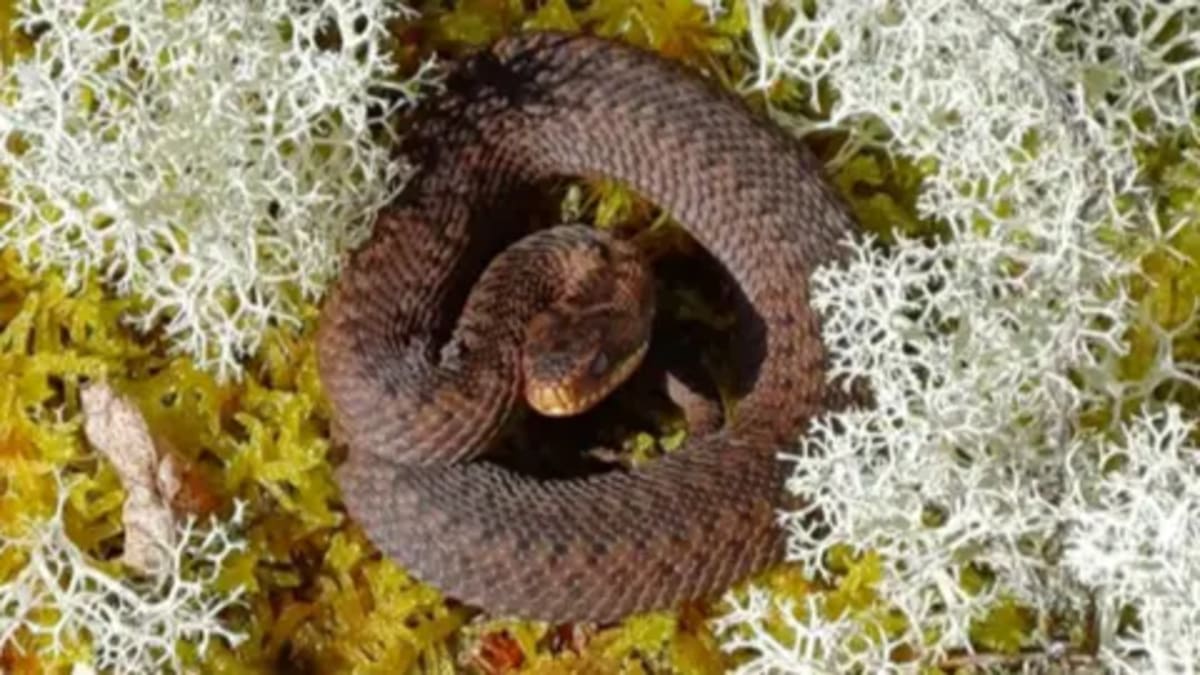
Forestry and Land Scotland is creating custom-built hibernacula (winter shelters) using peat and tree material at Longbridge Muir, about three miles southeast of Dumfries. The shelters give adders, slow worms, and common lizards safe places to hibernate while the surrounding bog habitat gets restored to its natural state.
The team is also placing corrugated metal sheets across the site to create warm microhabitats where reptiles can bask safely. Staff can check on the animals without disturbing them, making sure populations stay healthy throughout the restoration work.
Peatland restoration officer George Hemstock designed the project to roll out in phases over three years. This gives reptiles time to move safely across the site and find new homes as work progresses.
"Key refuge areas such as dry, south-facing bog edges where reptiles hibernate are being retained and protected throughout operations," Hemstock said. The team prioritized these critical spots before any restoration began.
Longbridge Muir represents one of the largest surviving pieces of the historic Lochar Moss peatland complex. Decades of drainage and tree planting altered these bogs, which scientists now recognize as vital carbon stores and wildlife havens.
The site holds protected status as a Site of Special Scientific Interest and sits within the Solway Mosses North Special Area of Conservation. This nearly 1,600-acre conservation zone ranks as one of Europe's most significant lowland raised bog systems.
The Ripple Effect
Scotland's reptile-friendly restoration shows how climate action and wildlife protection can work hand in hand. By rewetting the land and removing non-native trees, the project will lock carbon back into the peat while giving threatened species room to thrive.
All UK reptile species receive legal protection, but habitat loss continues to pressure their populations. Creating new hibernacula gives these animals safe spaces even as their wider environment transforms around them.
The restoration will improve water levels across the bog and bring back peat-forming plants that disappeared over decades of drainage. These changes strengthen the entire ecosystem, from tiny insects to the reptiles that depend on them.
Forestry and Land Scotland plans to monitor both reptile populations and hibernacula use after restoration finishes. This data will help guide future projects across Scotland's degraded peatlands.
The work at Longbridge Muir represents just one piece of Scotland's national effort to restore peatlands and tackle both climate and nature crises at once.
More Images

Based on reporting by BBC Science
This story was written by BrightWire based on verified news reports.
Spread the positivity!
Share this good news with someone who needs it