Kenya's Bat Guardians Protect Caves and Communities
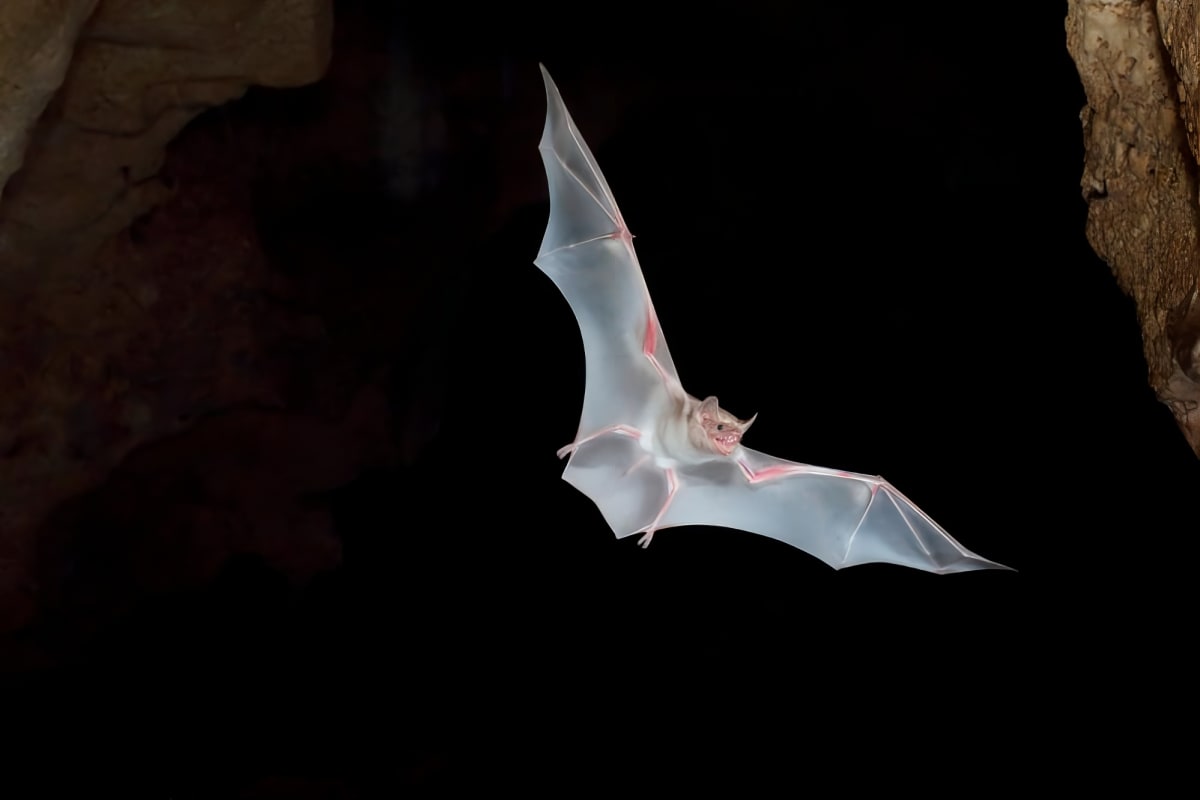
In Kenya's coastal caves, scientist David Wechuli and local communities are working together to protect thousands of bats while discovering how these misunderstood creatures help forests thrive. Their research is turning cave systems into thriving conservation hubs that benefit wildlife and people alike.
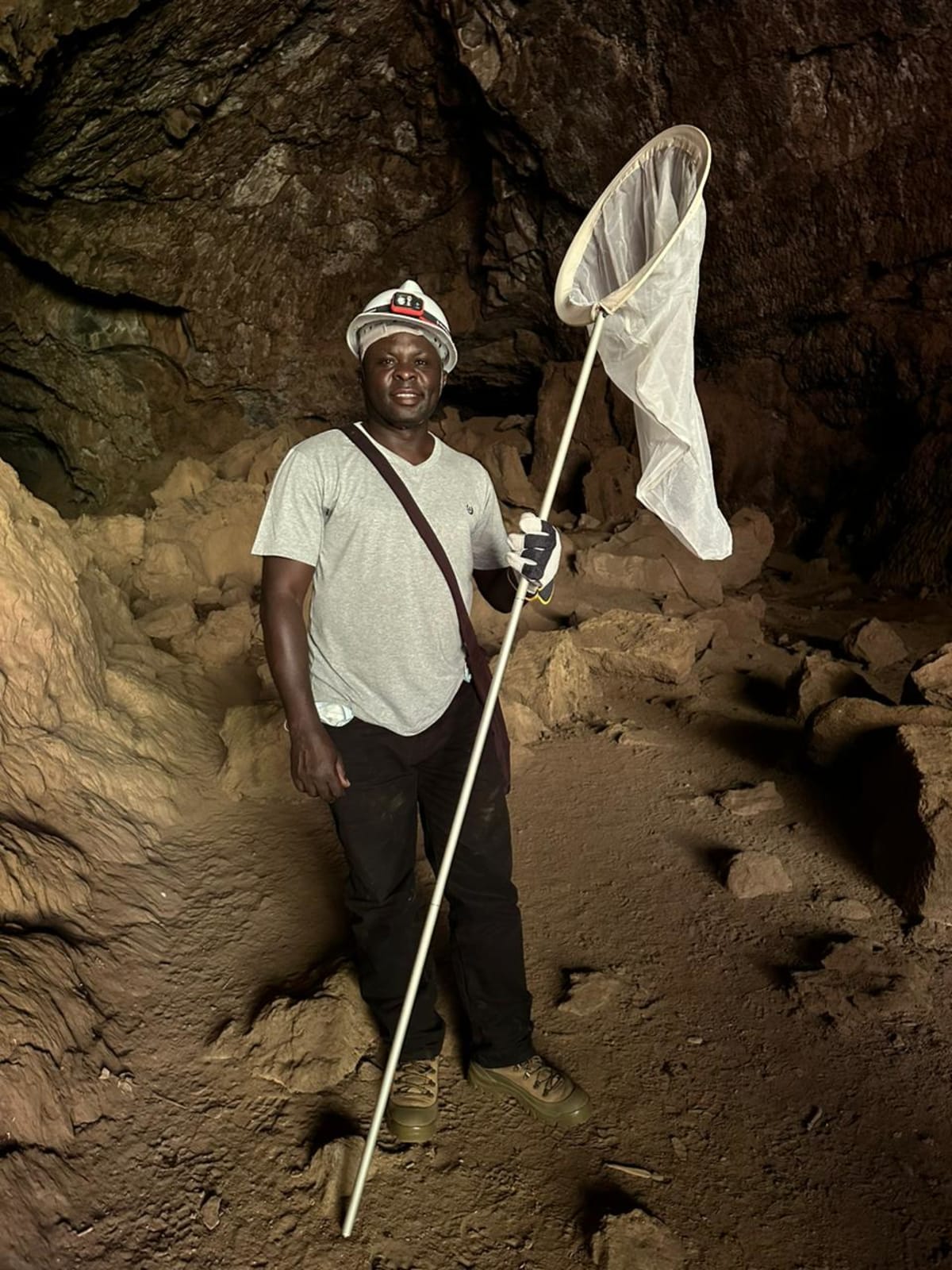
As dusk falls over Kenya's Three Sisters Caves, David Wechuli and his team carefully string nearly invisible nets across the hillsides, preparing to meet thousands of flying neighbors emerging for their nightly hunt.
Wechuli works for Bat Conservation International, studying how bats live in Kenya's cave systems and how human activity affects their homes. His research spans from coastal caves in Kwale county to volcanic lava tubes 370 miles northwest at Mount Suswa Conservancy.
The work is delicate and detailed. Each captured bat gets measured, weighed, and checked for disease before being photographed and released back into the night. The team also uses audio recorders to identify different species by their unique calls, frequencies that human ears cannot detect.
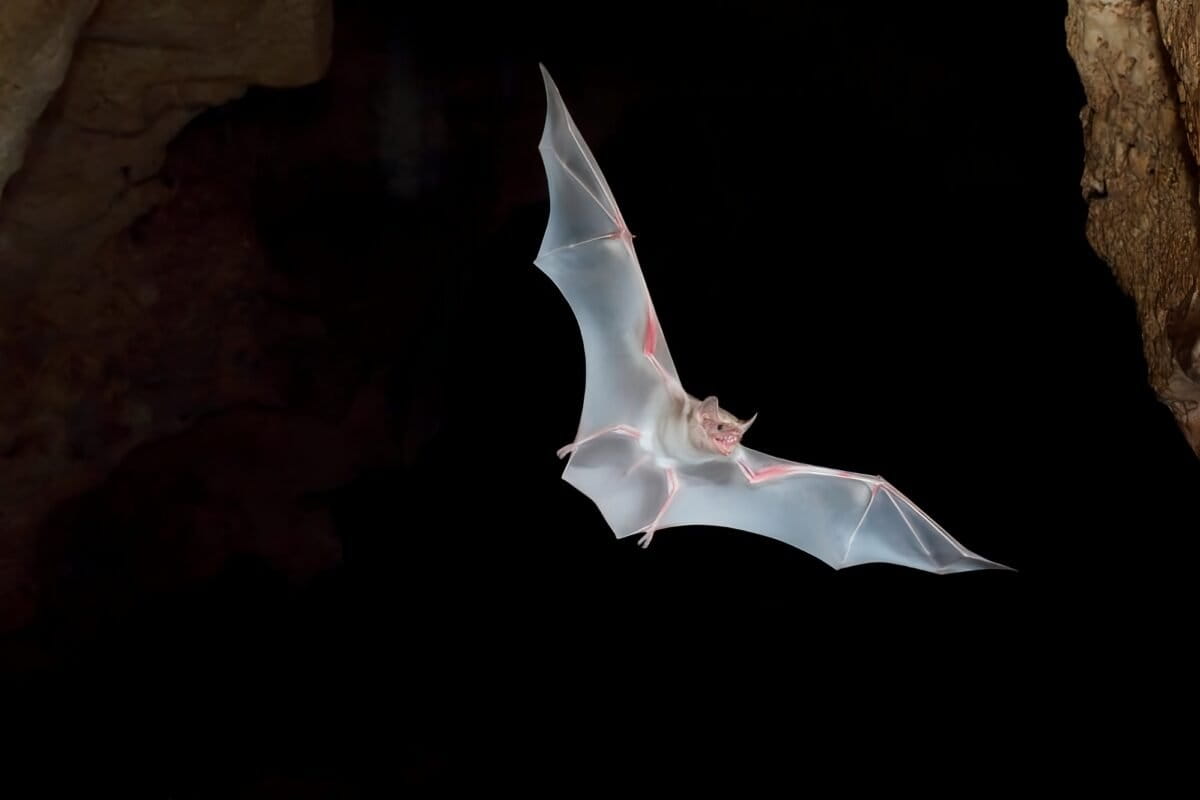
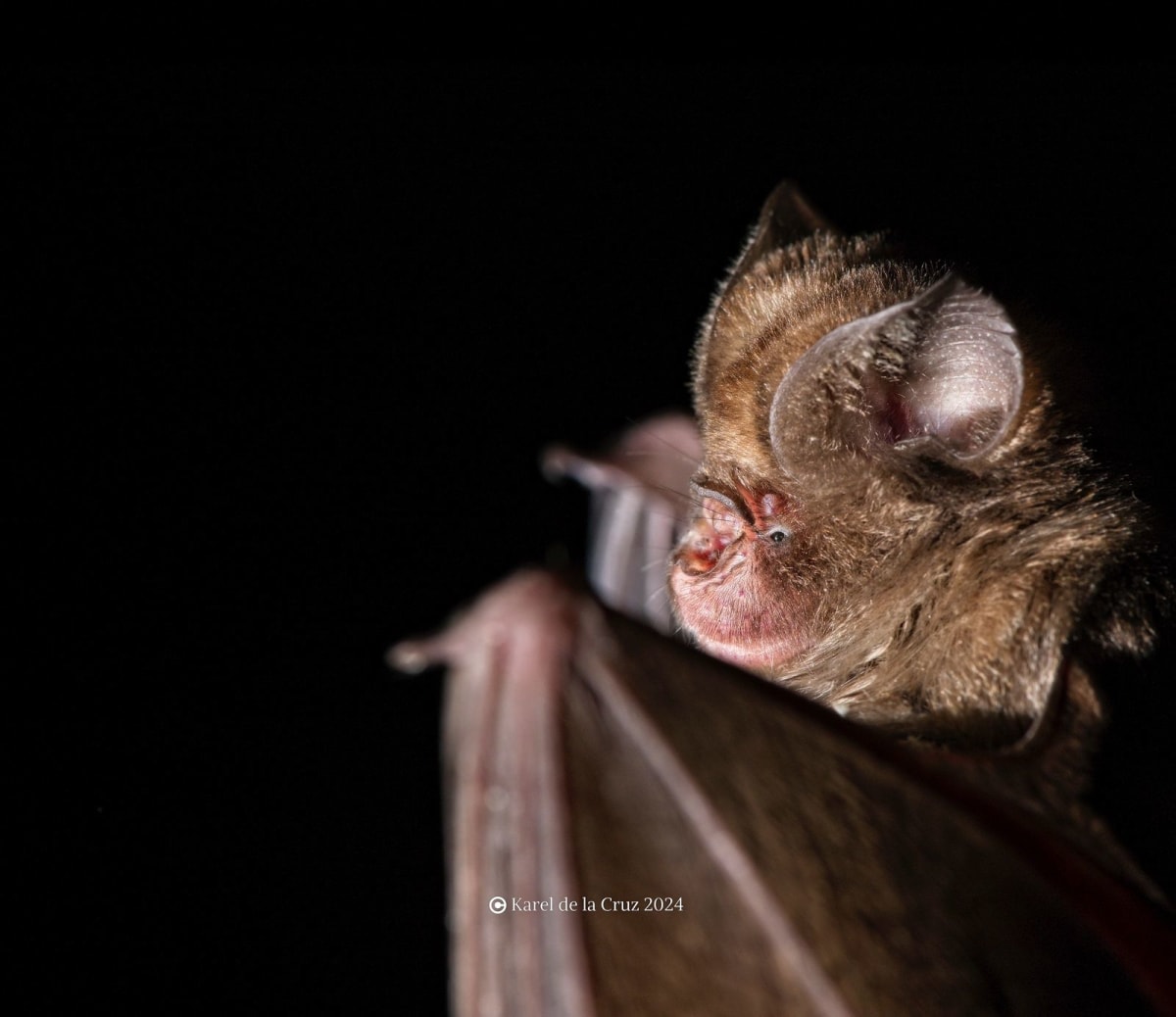
What they're learning is remarkable. Insect-eating bats suppress crop pests and mosquitoes, while fruit and nectar feeders scatter seeds and pollinate plants, helping forests regenerate naturally. Even bat droppings tell stories, revealing exactly what each species eats and their ecological role.
But the caves face threats. Tourism can disturb roosting colonies, causing bats to abandon their homes with devastating consequences. At Mount Suswa, geothermal drilling and infrastructure development create additional pressures on these sensitive habitats.
The solution has come through partnership. Wechuli's team helped local communities develop visitor guidelines to protect the caves while still allowing sustainable tourism.
Salim Rimo leads the Tswaka Three Giant Sister Caves Community-Based Organisation, where volunteers visit daily to maintain the site. "At first, some people resisted, but over time they've come to understand that protecting the bats supports the ecosystem and even benefits our tourism," he says.
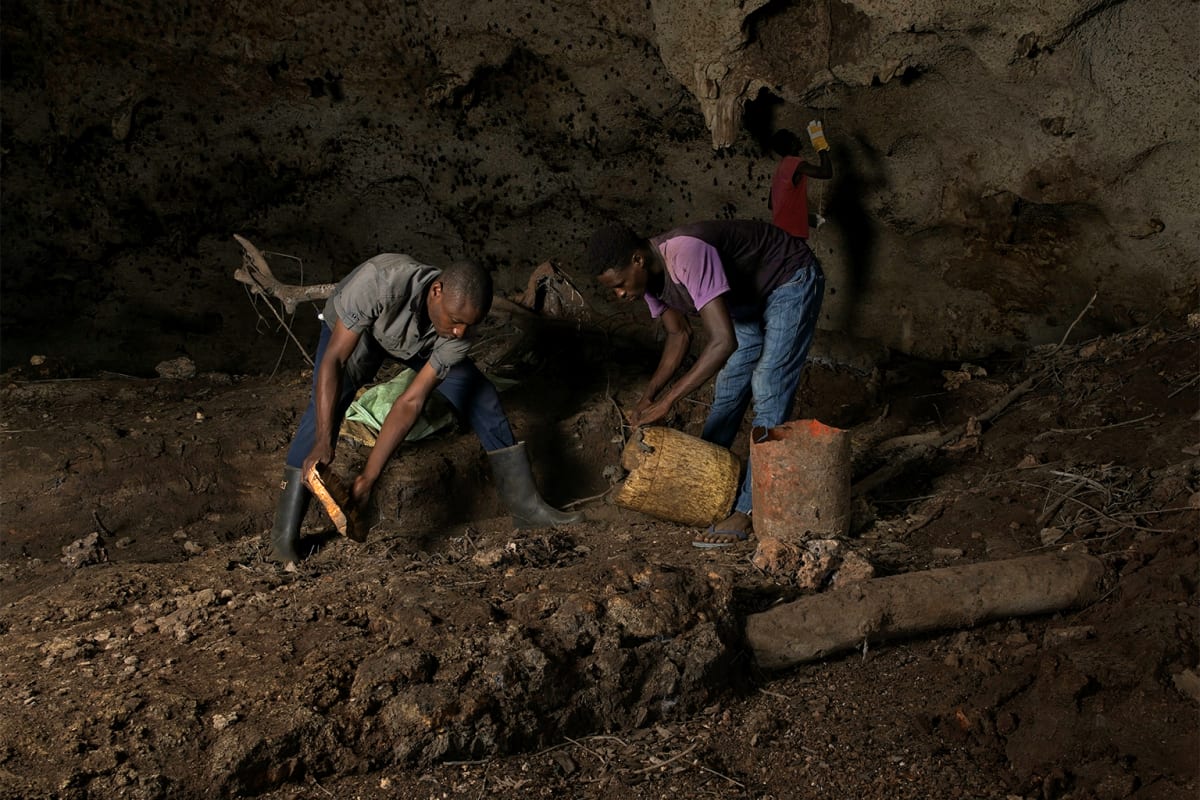
Cave guides now teach visitors about bat species, their ecological roles, and the caves' human history, including their use as shelter from enslavers in the 19th century. Locals collect nutrient-rich guano for fertilizer using methods that don't disturb the bats.
Professor Paul Webala of Maasai Mara University emphasizes why this matters. "Many areas that would have been suitable for bats no longer exist, so these caves are critical for their survival," he says.
The conservation efforts extend beyond cave entrances. Communities are planting trees and restoring habitats around the cave systems, ensuring bats have forests nearby for feeding.
The Ripple Effect
This collaboration is creating change that reaches far beyond protecting one species. When communities safeguard bat habitats, they're also protecting natural pest control for crops, pollination for wild plants, and seed dispersal that helps entire forests regenerate.
The tourism guidelines are bringing visitors who want to learn about conservation, creating income while preserving the ecosystem. Local volunteers are becoming conservation leaders, and tree nurseries funded by Bat Conservation International are growing seedlings to restore surrounding landscapes.
Next, Wechuli plans to attach tiny GPS trackers to bats to map their foraging ranges and better understand how far they travel beyond the caves.
What started as scientific curiosity has become a model for how research, local leadership, and community action can protect wildlife while improving lives.
More Images
Based on reporting by Mongabay
This story was written by BrightWire based on verified news reports.
Spread the positivity!
Share this good news with someone who needs it