Kenya's Cotton Comeback Brings Hope to Thousands of Farmers
After decades of decline, Kenya's cotton industry is growing again, helping farmers pay for school fees and build better futures. Small-scale farmers across Busia are replanting fields that once sat empty, betting on a crop that could transform their communities.
Vincent Akumu watches his cotton plants grow taller each day and dreams of expanding from one and a half acres to five. After years of growing only maize, farmers across Busia, Kenya are returning to cotton, and the shift is already changing lives.
Kenya's cotton industry nearly disappeared. Production crashed from 70,000 bales in 1985 to just 20,000 bales by 2001, leaving ginneries silent and farmers struggling.
But something is shifting. Farmers like Mama Aisha Mohammed are seeing real results from their first cotton harvests. After focusing only on maize and green grams for household food, she grew cotton commercially and earned enough to pay her grandchildren's school fees.
Julia Njuguna's story shows the wider impact. Income from her cotton crop helped her build a new house and improve her family's living standards. She now believes her children can build futures around the crop.
The challenges remain real. Vincent knows that late seed deliveries can push farmers outside the narrow planting window when rains arrive. "The rainy season cannot wait for farmers," he says.
Machinery shortages make expansion difficult. Farmers often depend on county equipment or resort to manual land preparation, which limits how much they can grow. Bernard Ojiambo, chairman of the local farmers' union, believes cotton offers stronger cash income than maize, but farmers need more support to scale up.
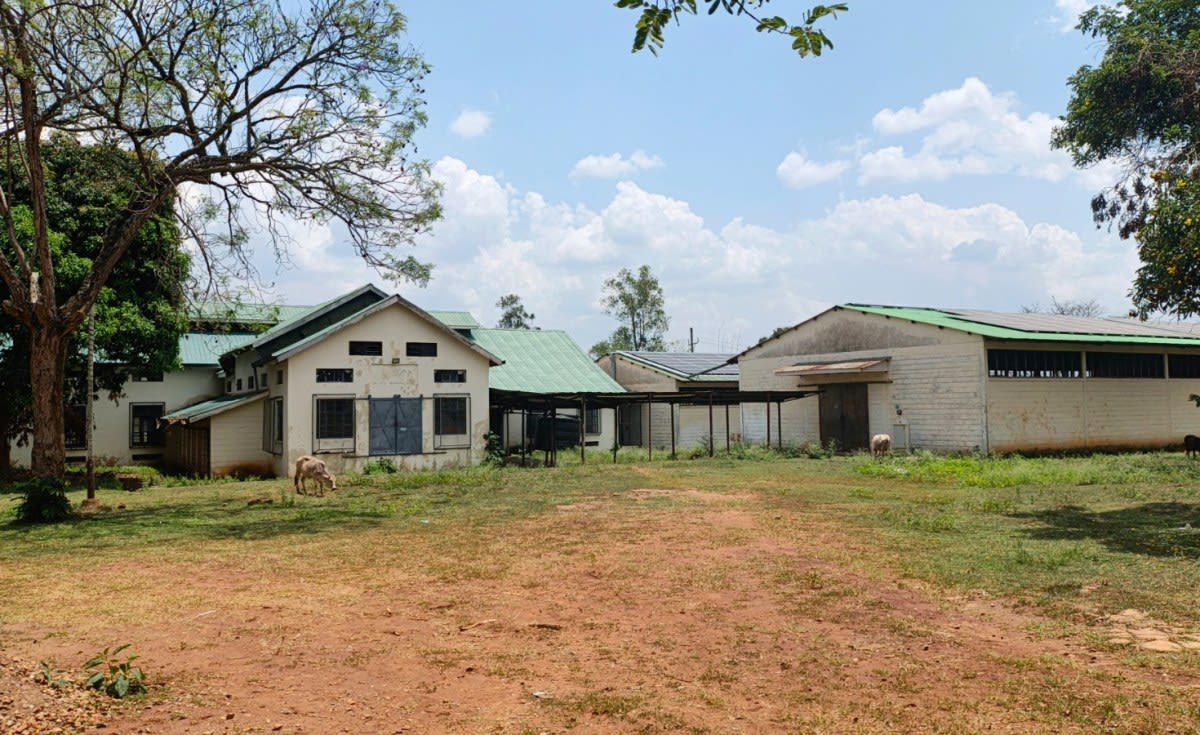
The Luanda Ginnery in Busia sits quiet for four months each year, waiting for the next harvest. But the machines are ready, and the cooperative linking farmers to processors is growing stronger.
The Ripple Effect
Kenya's goal is ambitious: reach 500,000 tonnes of cotton production while building up textile mills and garment manufacturing. The distance between Vincent's small farm and that national target is massive, but every acre matters.
When farmers succeed, ginneries get raw materials. When ginneries process cotton, textile mills get supplies. When mills produce fabric, garment factories create jobs. The entire chain depends on farmers like Vincent, Aisha and Julia choosing to plant cotton again.
Across Busia's dusty roads, accessible mainly by motorcycle taxi, two-month-old cotton plants are growing. Farmers watch the skies and wait for rain, carrying decades of hard lessons but also fresh hope that this industry can find its way back.
The crop that once supported thousands of families is getting another chance.
Based on reporting by AllAfrica - Headlines
This story was written by BrightWire based on verified news reports.
Spread the positivity!
Share this good news with someone who needs it