Kenya's $50 Trainer Helping Doctors Master Life-Saving Surgery
A portable surgical training device made in Kenya is helping doctors practice keyhole surgery at home, cutting recovery times and saving lives. Female doctors now make up 80% of recent graduates from the program.
Kenyan doctors are learning life-saving surgical skills with a locally made training device they can practice with at home, bringing safer surgery to communities that have never had access before.
The Endo Bora Pelvic Trainer is a portable simulation tool designed in Kenya to help obstetricians and gynecologists master minimally invasive surgery. Unlike traditional open surgery, these keyhole procedures mean shorter recovery times, lower infection risks, and reduced costs for patients.
Dr. Dennis Mureithi spent three years perfecting the device to fit local training needs. Now doctors can practice laparoscopic techniques for 30 minutes daily at home, building the muscle memory needed to perform confidently in the operating room.
The timing matters. Kenya records 355 maternal deaths per 100,000 live births, with specialist surgical care concentrated in cities. Many county hospitals rely on open surgery simply because staff haven't had access to advanced training.
The Hem Practice runs an eight-week program called Stitch & Knot, where doctors practice daily using the portable trainer. Graduates from earlier groups improved their competency scores from 44% to over 80% in just one cycle.
Faith Wanjeri, who co-founded The Hem Practice, says consistent practice changes outcomes. "When doctors practice at home, competence increases and outcomes improve. This reduces costs and strengthens confidence in theatre."
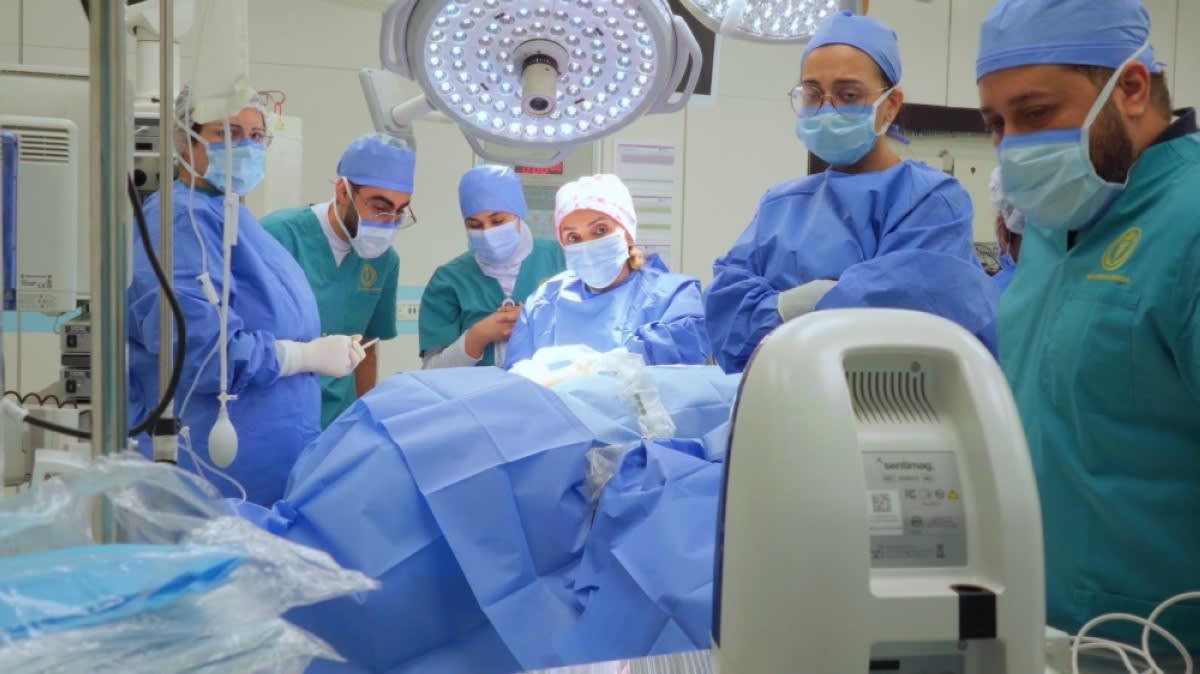
The latest graduating cohort wrapped up with a surgical camp at Maryhelp Hospital, where 11 participants applied their new skills in real procedures. Women made up 80% of this group, up from 70% in the first cohort.
The Ripple Effect
The impact reaches beyond individual doctors. Board Chair Stephen Mwatha explains that when these skills spread across hospitals, entire communities benefit. "When these skills are shared, minimally invasive surgery becomes mainstream. That saves lives and reduces costs at a community level."
The organization also runs Lap on Wheels, a mobile program that sends surgical teams to county facilities. These outreach efforts bring advanced care to rural and peri-urban communities that would otherwise go without.
The long-term vision aims even higher: making laparoscopic surgery a standard skill that doctors learn before finishing medical school. That would transform surgical care across the country, making safer procedures available everywhere instead of just in major cities.
For now, graduates are taking their skills back to hospitals across Kenya, performing surgeries that once seemed out of reach. Each procedure represents a patient with a shorter hospital stay, lower risk of complications, and faster return to family and work.
Based on reporting by AllAfrica - Health
This story was written by BrightWire based on verified news reports.
Spread the positivity!
Share this good news with someone who needs it