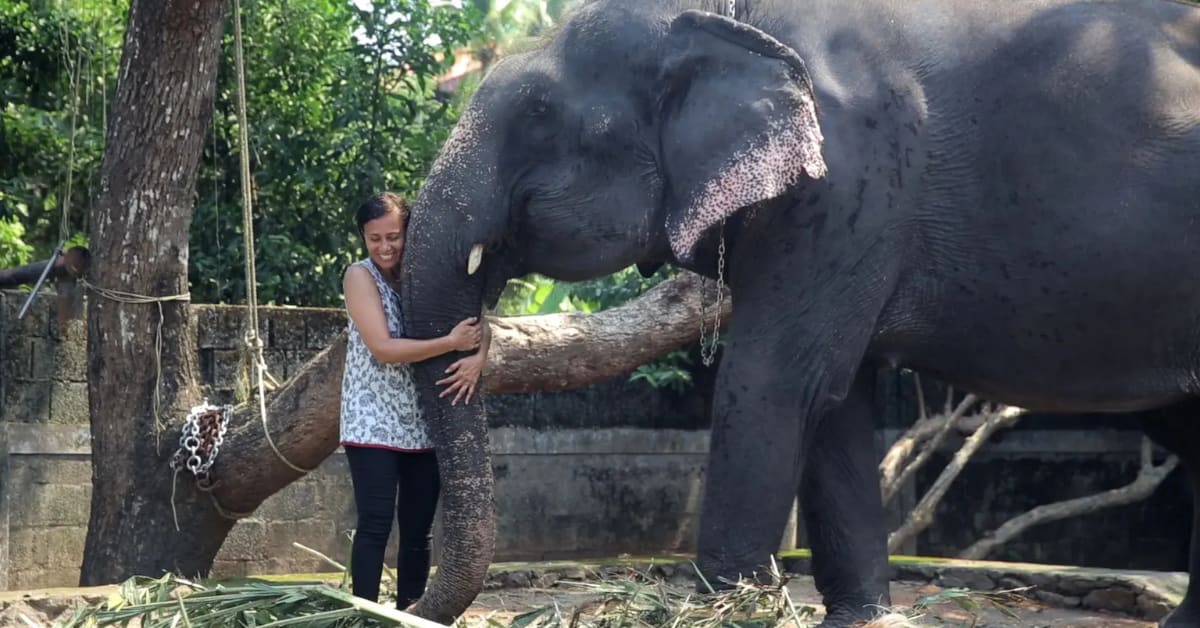
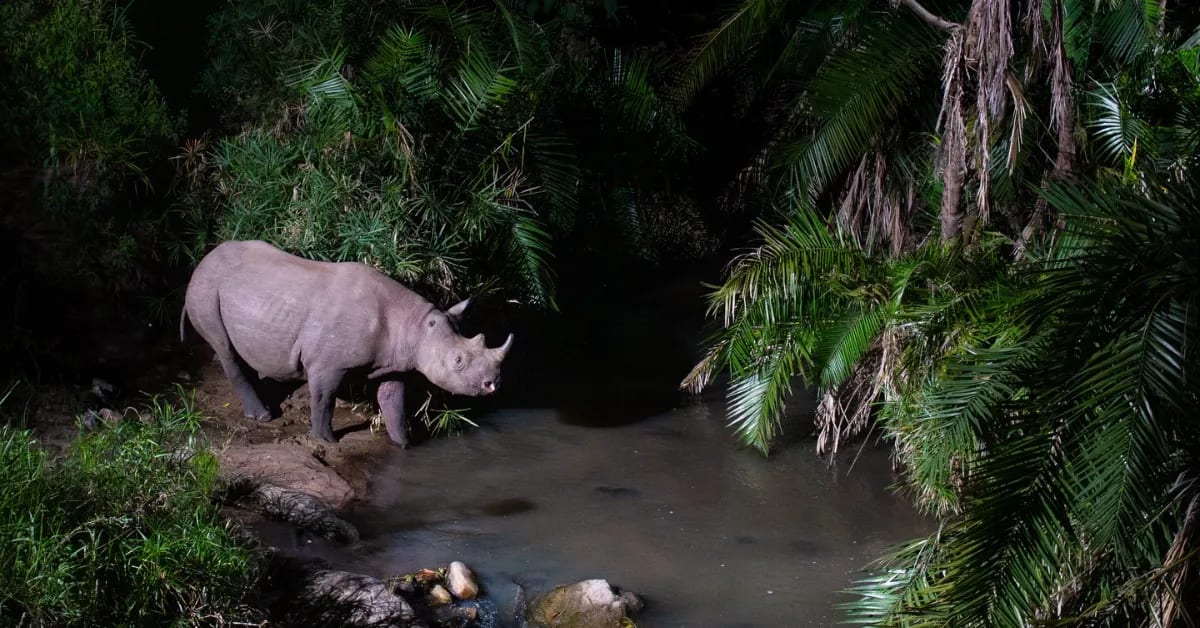
Kenya's Elephant Population Soars 30% in a Decade
Kenya's elephants are back in a big way, with numbers jumping from 32,214 to 42,072 since 2014. The conservation win is so successful that even President Ruto found elephants eating his maize crop.
When elephants raided President William Ruto's farm in Taita-Taveta and tore down his electric fence, he experienced what thousands of Kenyan farmers face daily. But the crop-munching visit tells a bigger story: Kenya's elephants are thriving like they haven't in years.
The country's elephant population has surged 30.6 percent in just over a decade, climbing from 32,214 in 2014 to 42,072 in 2025. That's 6,000 new elephants since 2022 alone, according to Kenya Wildlife Service data.
The remarkable recovery stems from Kenya's aggressive anti-poaching efforts. Elephant deaths from trophy hunting plummeted from 164 in 2014 to just 16 in 2025, thanks to better investigations, tougher prosecutions, and cooperation between security agencies that dismantled poaching networks.
"This is a major conservation achievement," said KWS Director-General Prof. Erustus Kanga. Stronger intelligence operations and deterrent penalties turned the tide against wildlife crime.
But success brought unexpected challenges. More elephants plus shrinking habitats and expanding farms means more wildlife-human encounters, especially near Tsavo East and Tsavo West national parks.
Two months ago, over 300 elephants moved out of Tsavo into Kilifi villages, destroying crops, water sources, and farmland. KWS deployed helicopters to drive them back, though some animals stayed in the villages.
President Ruto announced Sh315 million ($2.4 million) for a 140-kilometer electric fence around Tsavo National Park. "We know whenever you plant, wild animals come and destroy your crops," he told residents. "But this problem will end this year."
The Bright Side
Kenya proved that dedicated conservation can reverse wildlife decline. The same aggressive protection that saved elephants from poachers is now being adapted to help people and wildlife coexist.
The fencing project represents a new phase where conservation success stories get the support they need to work for both elephants and communities. Contractors were expected to begin work by July, with the goal of protecting farms while keeping elephants safe in their protected habitats.
For Kenyan farmers who've watched elephants return to landscapes where they once vanished, the challenge isn't whether conservation works anymore but how to make that success sustainable for everyone sharing the land.
Based on reporting by Google News - Conservation Success
This story was written by BrightWire based on verified news reports.
Spread the positivity!
Share this good news with someone who needs it