Kenya's Lions Learn to Share Land with Maasai Herders
New research shows lions in Kenya's conservancies are adapting their behavior around livestock grazing, opening doors for smarter land management. Communities are finding creative ways to protect both wildlife and pastoral livelihoods.
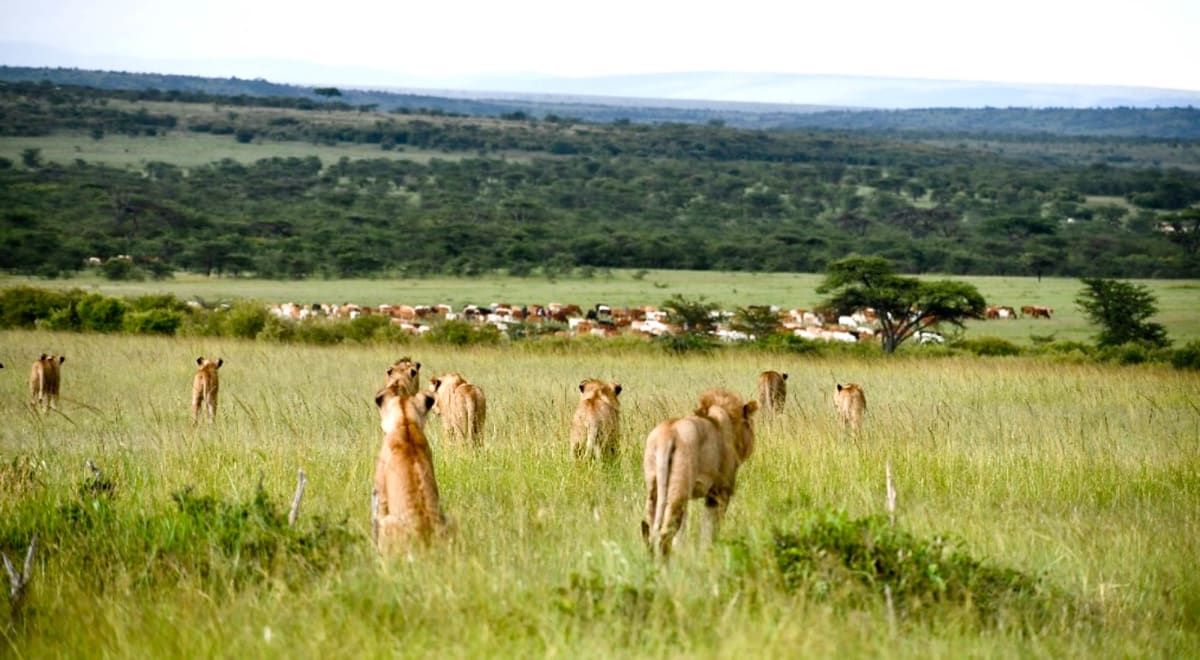
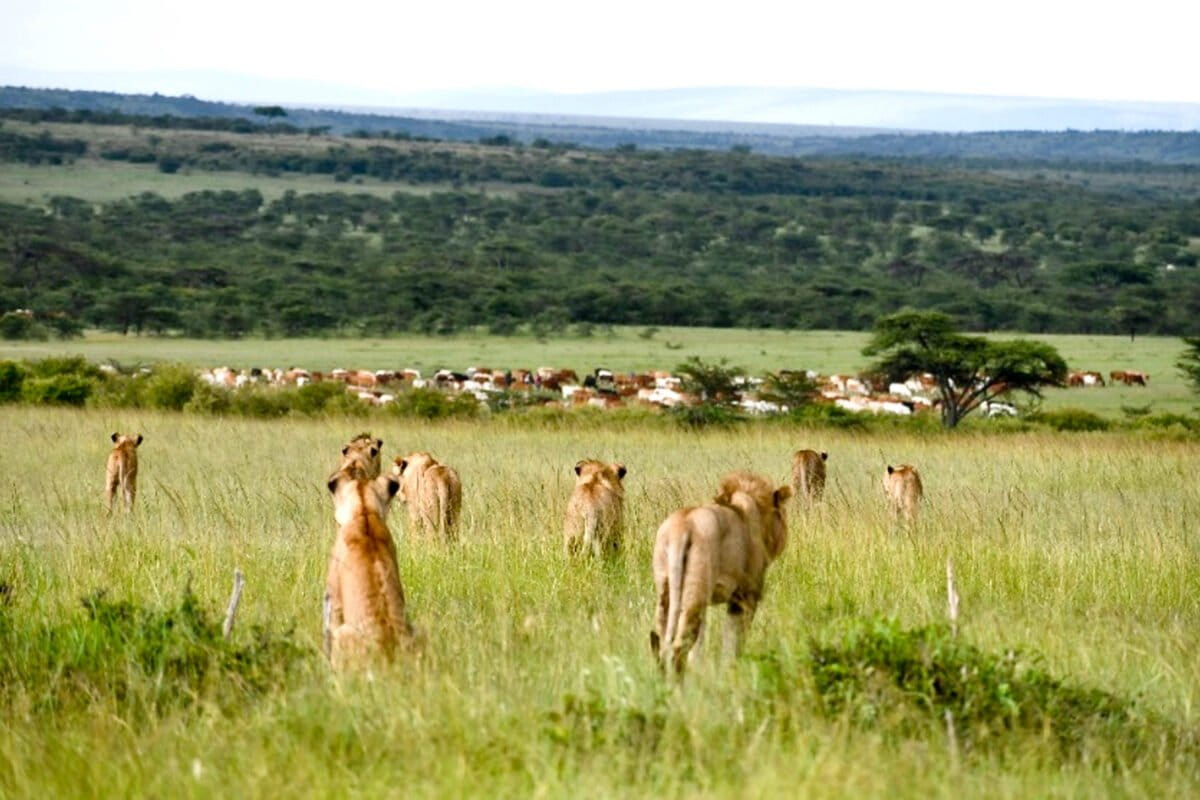
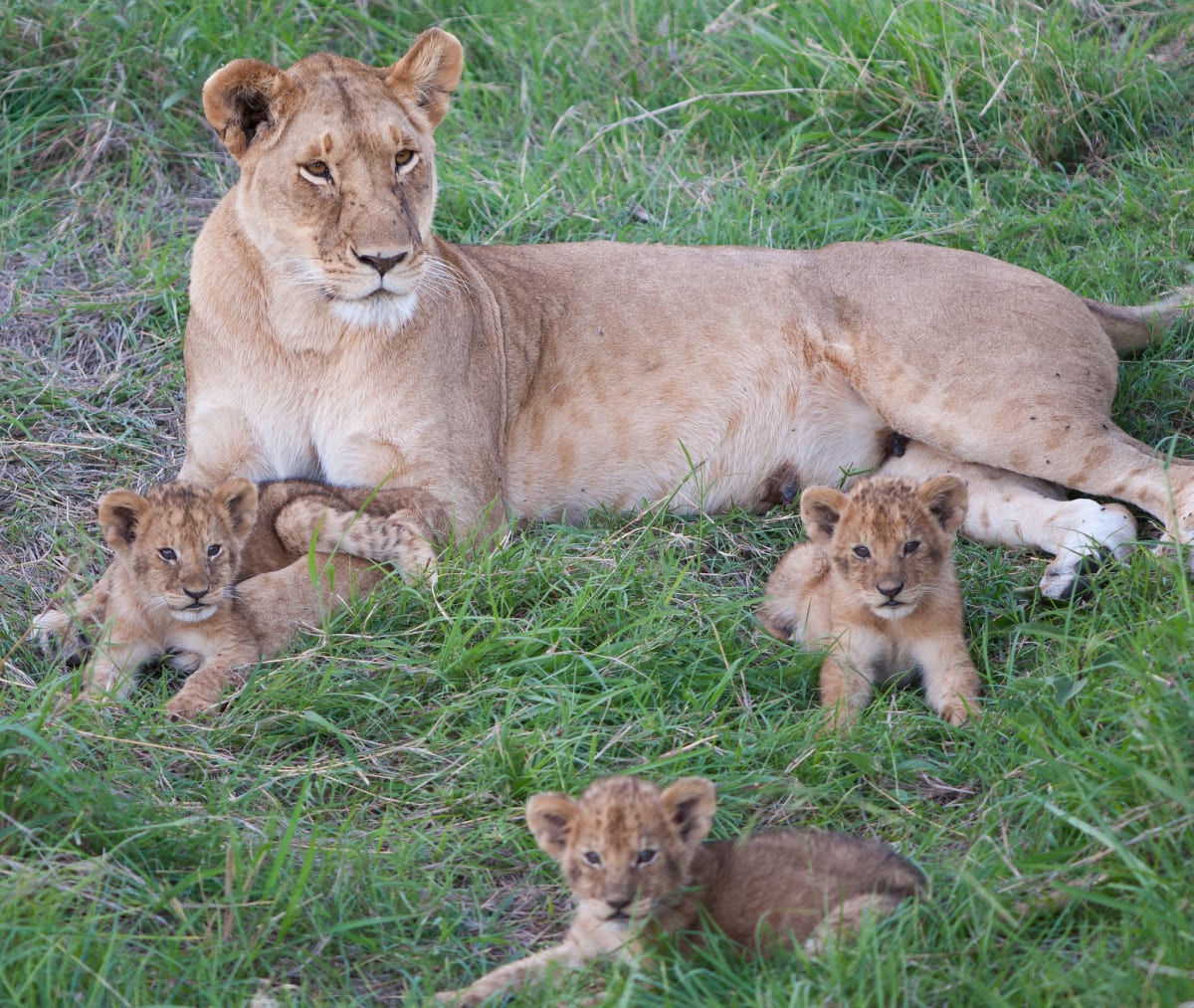
Lions in Kenya are doing something surprising: they're learning to give cattle space, even long after the herds have moved on.
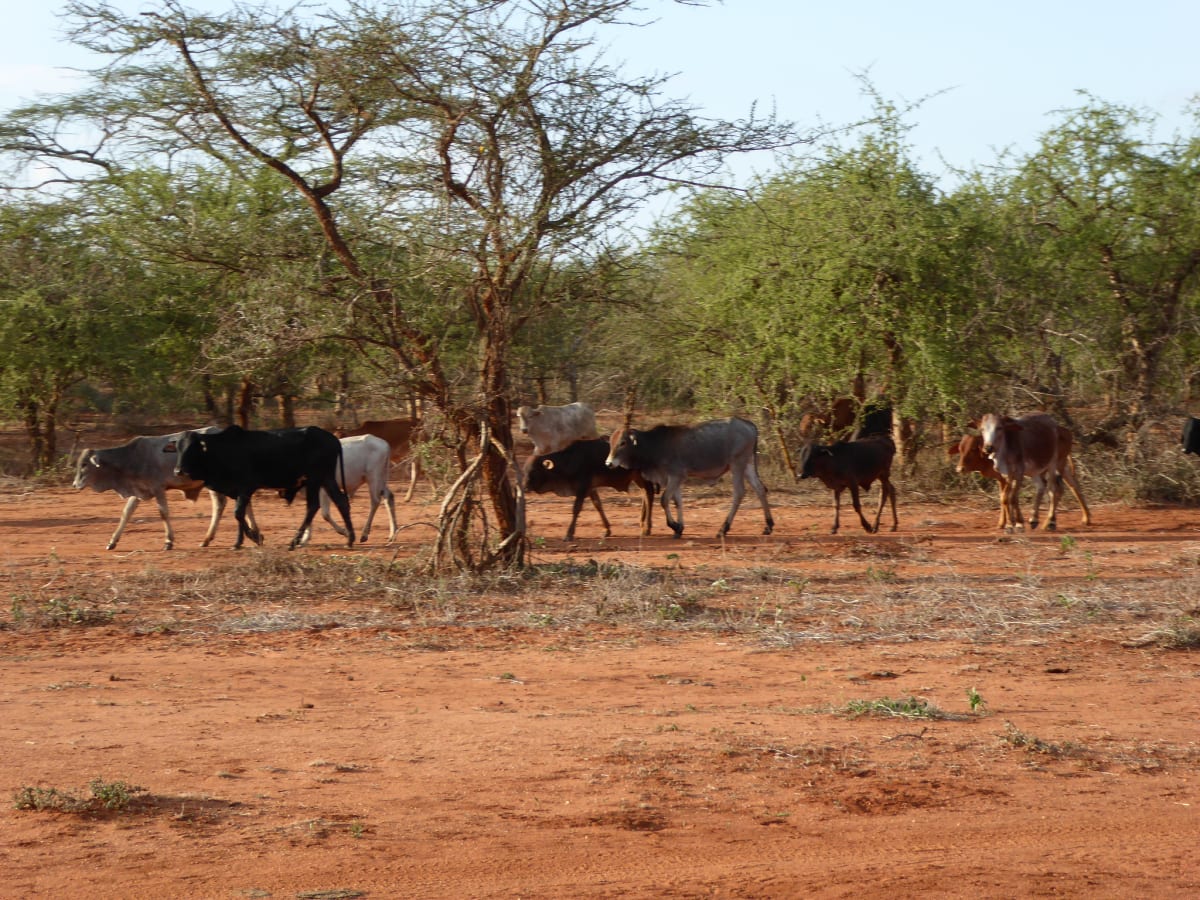
A study tracking lions across seven Maasai-owned wildlife conservancies in the Mara ecosystem revealed that Africa's top predators now avoid areas where livestock recently grazed. Researchers covered 43,000 miles between 2015 and 2023, documenting how lions, cattle, and wild animals share the landscape.
The findings surprised even the scientists. While they expected lions to steer clear of active herding, the big cats continued avoiding grazing areas days or weeks after cattle had moved elsewhere. "Perhaps the most striking result was that lions continued to avoid areas with a history of high cattle use even when cattle were not present," says Niels Mogensen, a biologist with the Mara Predator Conservation Program.
This matters because most of Kenya's famous wildlife lives outside protected parks. Lions, zebras, and elephants roam the same grasslands where Maasai communities herd their livestock. Many communities lease portions of their land to safari operators, creating income while maintaining their pastoral way of life.
The discovery raises an important question: how can conservancies balance wildlife needs with community livelihoods? Livestock aren't just economic assets for the Maasai. They're central to culture and household security.
The Bright Side
Rather than seeing this as a problem, conservationists and communities are treating it as an opportunity for smarter land management. The research points toward solutions that work for everyone: seasonal grazing restrictions instead of permanent ones, spatial zoning that protects key wildlife corridors while preserving grazing access elsewhere, and transparent benefit-sharing so landowners see direct returns from conservation.
Peter Kilani, a herder at Mosiro Conservancy, notes that his community has managed shared rangeland "since time immemorial." The difference now is having data to refine those practices. Some conservancies already reserve wildlife-only zones and compensate landowners, turning conservation into what Kilani calls "big business."
Daniel Sopia, who leads the Mara Wildlife Conservancy Association, says most conservancies use rotational grazing systems where wild herbivores actually follow cattle to graze the shorter grass left behind. The key is keeping herds moving and preventing overgrazing in any one area.
The approach reflects a broader shift in conservation thinking: working with communities rather than imposing restrictions from above. When people benefit directly from wildlife through tourism revenue and maintain their traditional livelihoods, both lions and livestock can thrive.
Finding harmony between Africa's iconic predators and the people who share their land isn't just possible—it's already happening.
More Images

Based on reporting by Mongabay
This story was written by BrightWire based on verified news reports.
Spread the positivity!
Share this good news with someone who needs it