Kerala Creates Disease Calendar to Predict Outbreaks
Kerala is building India's first disease outbreak calendar to predict when and where illnesses will strike. The system could help health workers prepare before diseases spread, saving lives across the region.
Kerala is pioneering a smarter way to fight disease outbreaks by mapping exactly when and where they happen throughout the year.
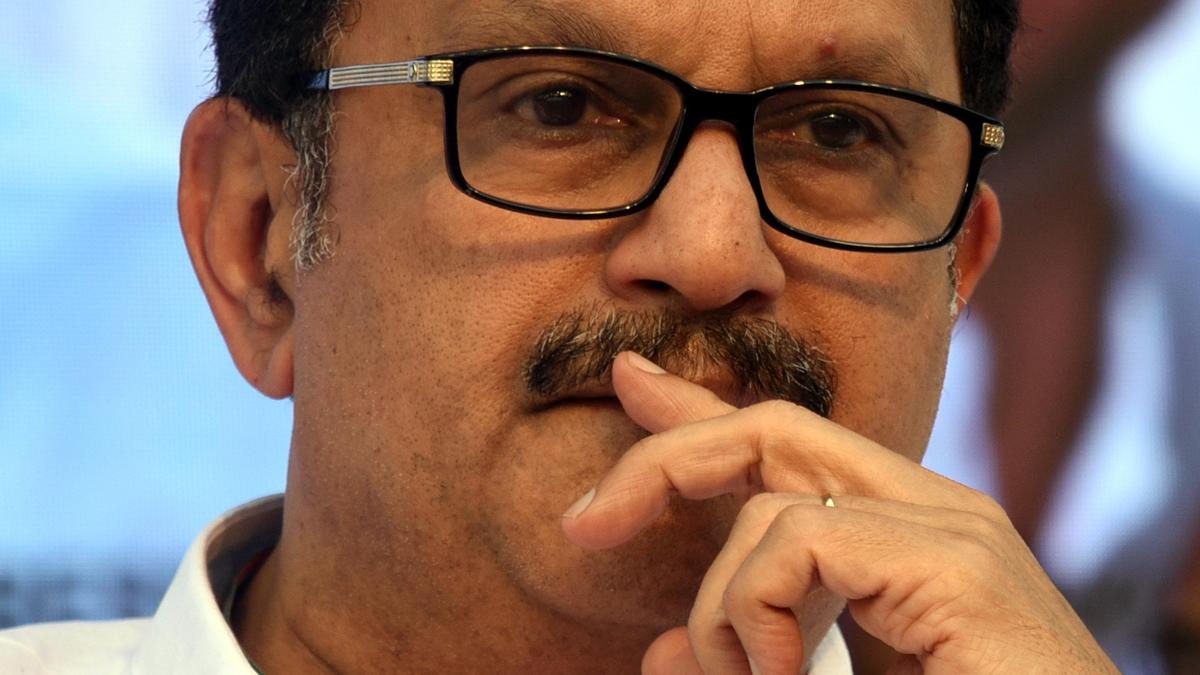
Health Minister K. Muraleedharan announced the breakthrough initiative on June 16, 2026, explaining that certain diseases follow predictable seasonal and geographic patterns. Nipah virus cases, for example, repeatedly appear in the Perambra region of Kozhikode between May and September.
The calendar will track these patterns across the state, giving health workers the ability to prepare supplies, staff, and prevention campaigns before outbreaks begin. Vector-borne diseases like dengue and malaria typically surge during summer and monsoon seasons, while water-borne illnesses follow their own predictable rhythms.
The government is also launching district-level monitoring cells to detect and respond to outbreaks faster. A high-power committee led by Dr. S.S. Lal will guide epidemic prevention and control efforts, with coordination from Principal Secretary Sharmila Mary Joseph.
Kerala is taking a comprehensive approach by bringing together multiple departments. The Animal Husbandry department will help prevent zoonotic diseases that jump from animals to humans, while Food Safety Inspectorate and local bodies will coordinate their efforts.
The Bright Side
This proactive approach marks a major shift from reactive crisis management to predictive prevention. While researchers still don't fully understand why pathogens follow seasonal patterns, experts agree that tracking these rhythms will give the public health system greater accuracy in protecting communities.
The strategy is already showing promise. Kerala successfully treated a Nipah-positive patient who arrived in life-threatening condition, with no Nipah deaths reported. Out of 38 people tested, only one case was positive.
Since January 2026, the state has managed 146 Shigella cases with just five deaths, bringing the mortality rate under control through swift action. The monitoring system helped identify that some districts, notably Palakkad, have reported no Shigella cases at all, providing valuable data for understanding disease spread.
By understanding disease patterns before they strike, Kerala is creating a model that other regions could follow to protect their communities more effectively.
Based on reporting by The Hindu
This story was written by BrightWire based on verified news reports.
Spread the positivity!
Share this good news with someone who needs it