Kerala Scholars Save Two Tribal Languages With Dictionaries
Two endangered tribal languages spoken by 60,000 people in north Kerala are being rescued from extinction through groundbreaking dictionary projects. The work captures more than 5,000 words before they disappear forever.
An 84-year-old man in northern India recently shared a heartbreaking truth: his father spoke their ancestral language fluently, but he himself had already lost it. That conversation pushed two scholars to work faster on a mission that could save two entire languages from vanishing.
Dr. Mohanan V.T.V. and tribal writer O.K. Prabhakaran Vattamathatta are documenting the Mavila and Malaveduvan languages, spoken by tribal communities of around 60,000 people across Kerala's Kannur and Kasaragod districts. The Mavila dictionary is complete and will be published in August, while the Malaveduvan volume is still in progress.
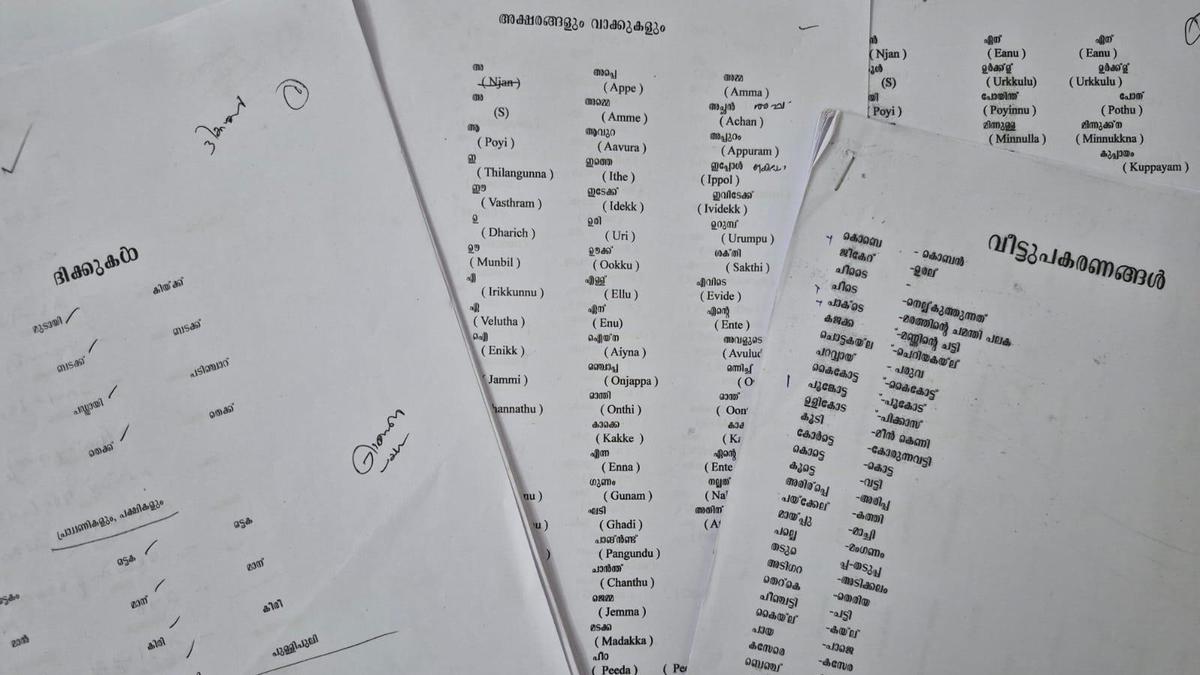
The project captures more than 5,000 words collected through years of fieldwork in remote tribal settlements. Dr. Mohanan explained that migration, formal schooling, and integration with mainstream society have accelerated language loss, especially among younger generations who adopt Malayalam and Kannada after leaving their communities.
Getting community members to trust outsiders proved incredibly difficult. Dr. Mohanan initially visited settlements alone, but families remained suspicious despite his repeated visits and long stays.
He eventually partnered with trusted community members to continue the documentation work, which improved acceptance dramatically. Still, the process took nearly three years to establish effectively.
The dictionaries reveal fascinating cultural details that go far beyond simple translation. The Mavila language, meaning "the language of those who produce food," shows strong influences from Tulu and Kannada, with Malayalam words entering later through migration and education.
The communities traditionally have no separate words for happiness and sorrow, reflecting a unique worldview shaped by centuries of distinct cultural development. Even basic family terms differ: father is "Amme," mother is "Appe," and husband is "Mere."
Why This Inspires
This project shows the power of determined individuals to preserve cultural heritage when institutions fall short. Dr. Mohanan pointed out that organizations created for tribal welfare often fail to employ community members, undermining preservation efforts.
The researchers work entirely from personal commitment, without institutional funding or support. Their dedication demonstrates that protecting endangered languages requires patience, cultural sensitivity, and genuine respect for the communities involved.
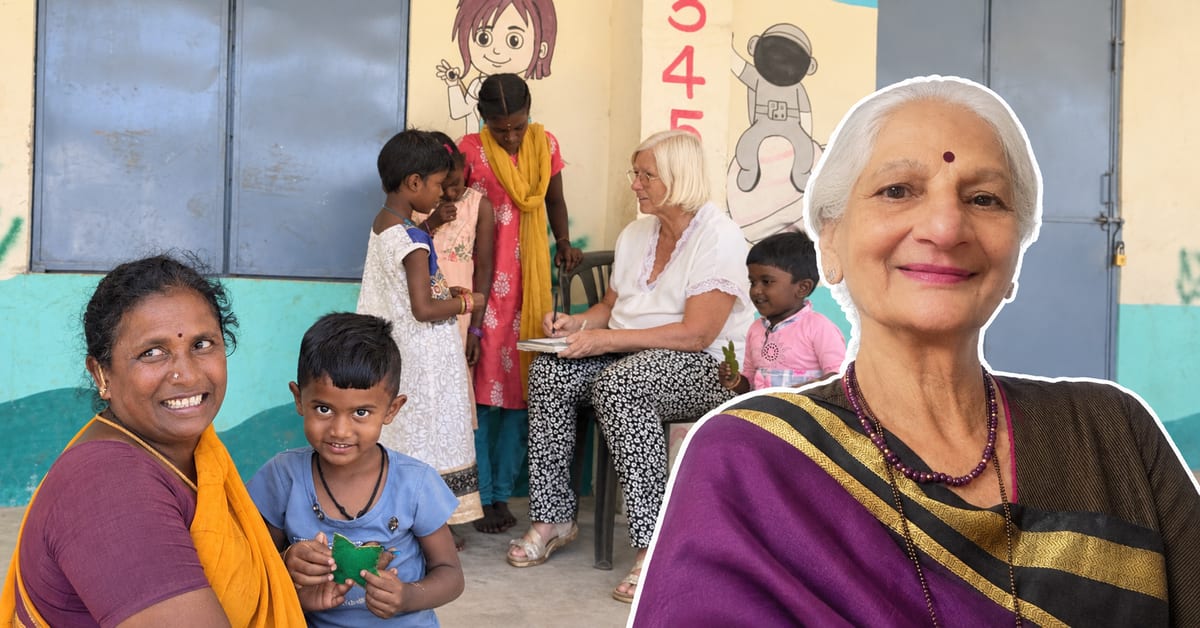
The scholars plan to publish additional research volumes documenting the oral traditions, history, and way of life of both communities. Fluent speakers now exist mainly in settlements around Neeleswaram and nearby areas of Kasaragod district.
"These are not just words," Dr. Mohanan said. "Every entry reflects the life, culture and worldview of the community." Their goal extends beyond compiling dictionaries to ensuring these communities and their languages receive recognition before they disappear completely.
The work arrives at a critical moment, as children increasingly abandon their mother tongue after entering schools or moving outside settlements. Adults working across the Kerala-Karnataka border also gradually stop using their native language, accelerating its decline.
Future generations of Mavila and Malaveduvan children will now have a chance to reconnect with their linguistic roots, thanks to two scholars who refused to let these ancient voices go silent.
Based on reporting by The Hindu
This story was written by BrightWire based on verified news reports.
Spread the positivity!
Share this good news with someone who needs it