Kerala Solar Rooftops Overtake Hydroelectric Power Capacity
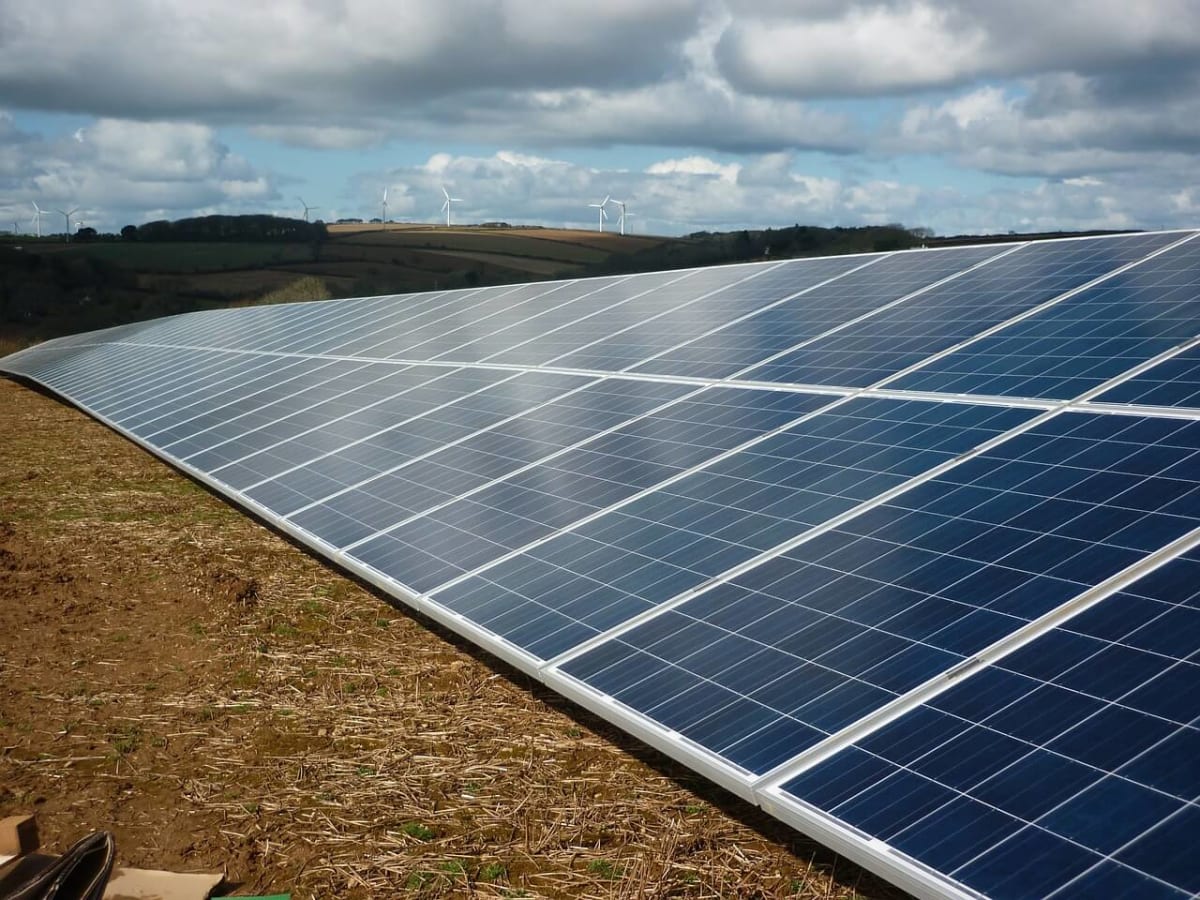
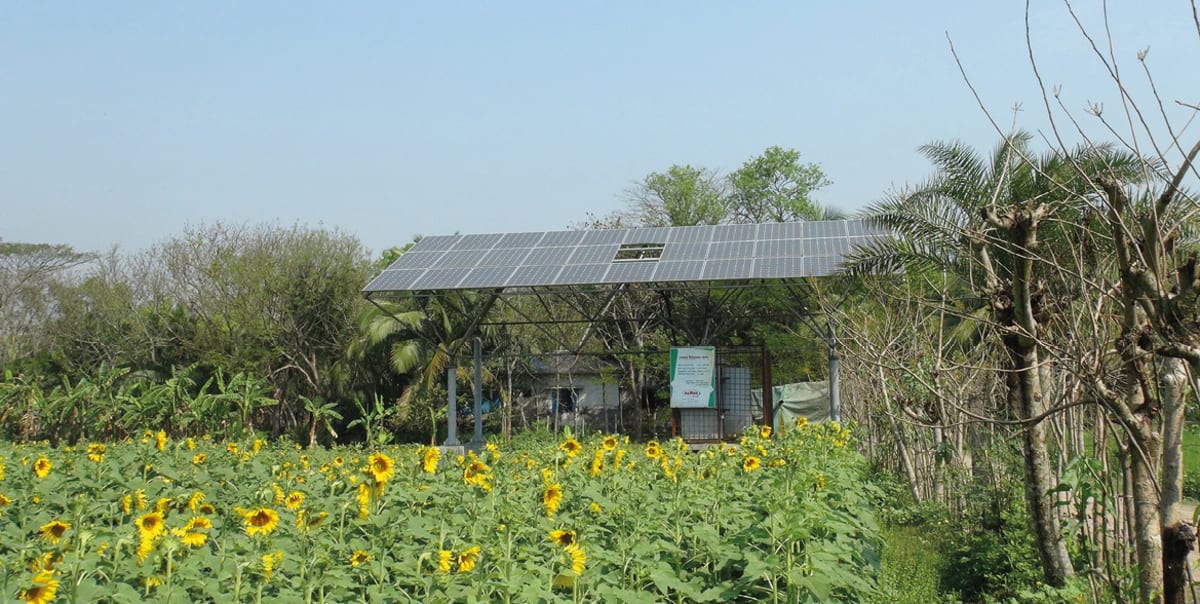
Kerala just hit a major clean energy milestone with over 360,000 rooftop solar installations now generating more electricity than all the state's hydroelectric dams combined. The solar revolution added 108,000 new installations in just 10 months, thanks to a government program making renewable energy accessible to everyday families.
Kerala's rooftops are now generating more clean power than all its rivers combined. The southern Indian state just crossed 361,675 solar installations, officially surpassing its total hydroelectric capacity for the first time in history.
The numbers tell an incredible story of rapid change. Between April and December 2025, families and businesses installed 108,000 new solar systems across Kerala. That's more installations in 10 months than the entire previous year, which saw 98,636 new systems.
The surge traces directly back to PM Surya Ghar, a central government program launched to put solar power within reach of ordinary households. The initiative made installation easier and more affordable, sparking what energy officials are calling a renewable revolution. Now, about 12,000 new solar plants go up every month, adding roughly 60 megawatts of clean energy capacity.
Kerala's total solar generation now stands at 2,228 megawatts, edging past the 2,096 megawatts from hydroelectric projects. For a state that built its power grid on river dams, this represents a fundamental shift in how people think about electricity. Homeowners are becoming power producers, cutting their bills while reducing carbon emissions.
The program's design proved crucial to its success. Most families don't need systems larger than 5 kilowatts, and those smaller installations remain affordable and financially attractive even as regulators tweak the rules. When officials considered new charges for larger systems, the residential solar boom continued unaffected because everyday users stick to smaller, practical setups.
The Ripple Effect
This solar surge reaches far beyond individual electricity bills. Every rooftop panel reduces demand on Kerala's traditional power grid, cutting the need for fossil fuel backup during peak hours. The monthly addition of 60 megawatts means that in just one year, the state adds enough clean capacity to power tens of thousands of homes.
The transition does bring growing pains. Grid operators face new technical challenges managing all that daytime solar power, from voltage fluctuations to balancing nighttime demand when the sun sets. These are solvable problems, the kind that come with success rather than failure.
Other Indian states are watching closely. Kerala's model shows that when government programs remove barriers and financial incentives align, ordinary people will enthusiastically adopt clean energy. The state's experience provides a roadmap for scaling rooftop solar across a nation of 1.4 billion people.
What started as individual decisions by families wanting lower power bills has created collective climate action at remarkable scale. Kerala proves that the clean energy transition doesn't require sacrifice, it just requires making the right choice the easy choice.
More Images
Based on reporting by Google News - Solar Power Record
This story was written by BrightWire based on verified news reports.
Spread the positivity!
Share this good news with someone who needs it