Kern County Wildlife Rescues Triple, Volunteers Needed
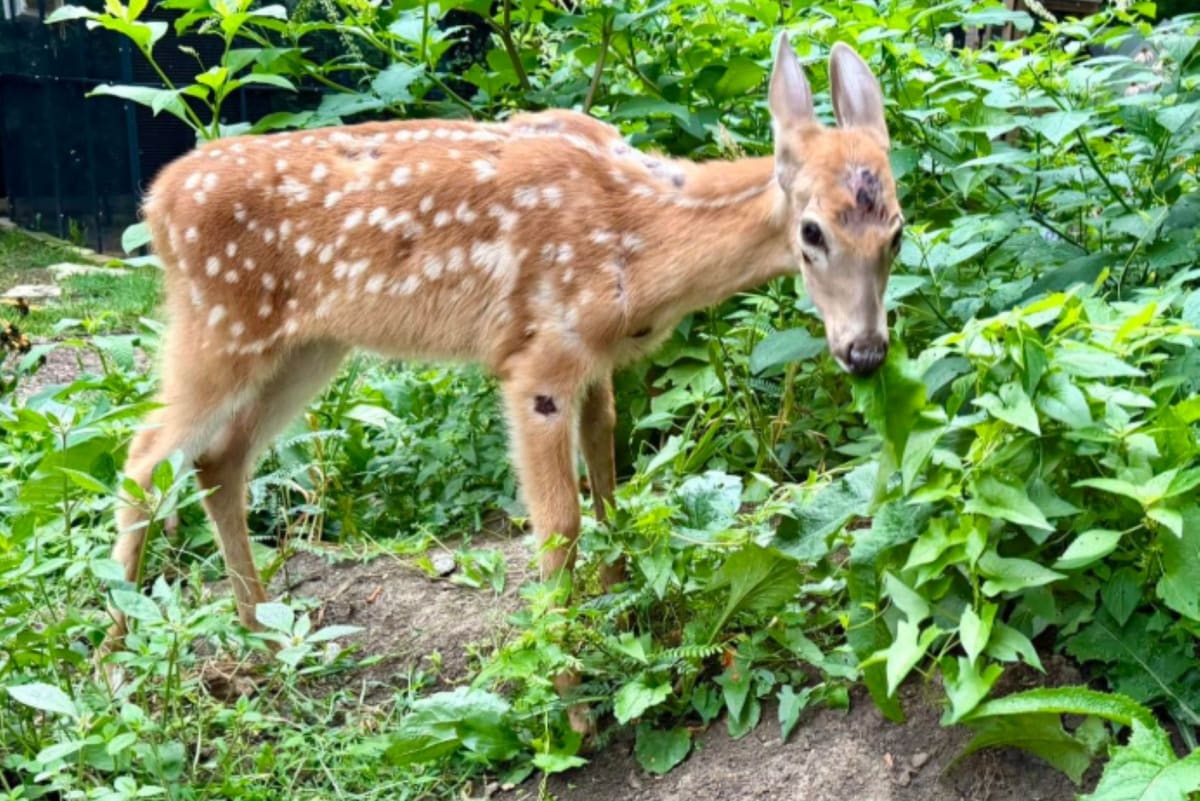
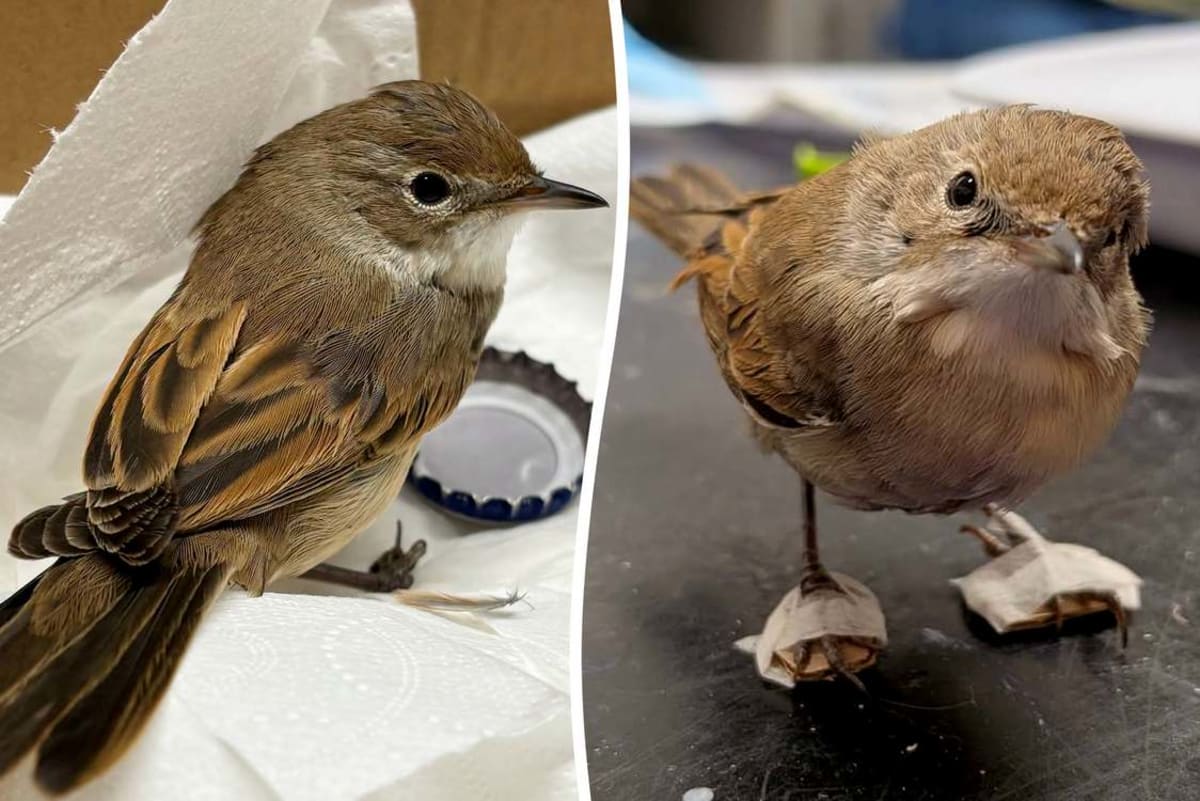
A volunteer group in California rescued nearly 100 wild animals this year, triple last year's total, and needs more drivers to keep up with demand. Early births due to climate shifts mean more baby owls, rabbits, and possums need urgent transport to care centers.
When baby owls started arriving a month earlier than expected in Kern County, California, a small team of volunteer drivers knew they had a problem worth celebrating.
The Tehachapi Volunteer Wildlife Transport Group has rescued nearly 100 animals so far this year, almost triple the 38 they saved in 2024. Founded last July, the organization is one of the only volunteer wildlife transport networks on the West Coast, filling a critical gap between stranded animals and the care centers that can save them.
Deirdra Vierra, the volunteer coordinator, says the surge caught them off guard but reflects something important. Federal and local wildlife agencies now regularly refer cases to the group because they trust the volunteers to handle delicate rescues with care.
The early arrivals tell a bigger story about shifting seasons. Fledgling owls appeared about a month ahead of schedule this year, while baby possums and rabbits showed up six weeks early. Each one needs specialized care that only certified wildlife centers can provide.
That's where the driving comes in. Volunteer Jayne Ashton recently met Vierra at Tejon Ranch to transport baby possums found in eastern Bakersfield. The journey took them through multiple relay points to reach Santa Barbara Wild Care Center on the coast, with volunteers passing the animals like a precious baton from Bakersfield to Piru to Ojai.
The 22 current volunteers cover a huge territory across Kern County, including Arvin, Taft, Bakersfield, and Frazier Park. Some drives stretch more than an hour, which means volunteers need help creating shorter relay routes to prevent burnout.
Why This Inspires
Every animal that reaches a care center represents someone who chose to help instead of look away. The volunteers operate on a simple philosophy: "It's worth a try," and they never turn an animal down. That commitment has created a lifeline for wildlife that would otherwise have nowhere to go.
The requirements are straightforward: a car, insurance, and a valid driver's license. What volunteers gain goes beyond logistics. Ashton says the fulfillment comes from knowing these creatures have zero other options without human intervention.
Wildlife biologists, Fish and Game officers, and the Bureau of Land Management all rely on this volunteer network now. As climate patterns continue to shift and wildlife needs grow, the group proves that ordinary people can build extraordinary safety nets for the most vulnerable.
More drivers mean shorter trips, less burnout, and more animals saved.
More Images



Based on reporting by Google: volunteers help
This story was written by BrightWire based on verified news reports.
Spread the positivity!
Share this good news with someone who needs it