Kia and Ocean Cleanup Cut 800K Kilos of Plastic in Panama
Two high-tech river interceptors are stopping plastic waste before it reaches the ocean in Panama City, protecting millions of migratory birds and 30 kilometers of coastline. The partnership between Kia and The Ocean Cleanup shows how corporate backing can turn the tide on pollution.
Panama City's rivers are getting a second chance, thanks to floating machines that catch plastic before it can choke the ocean.
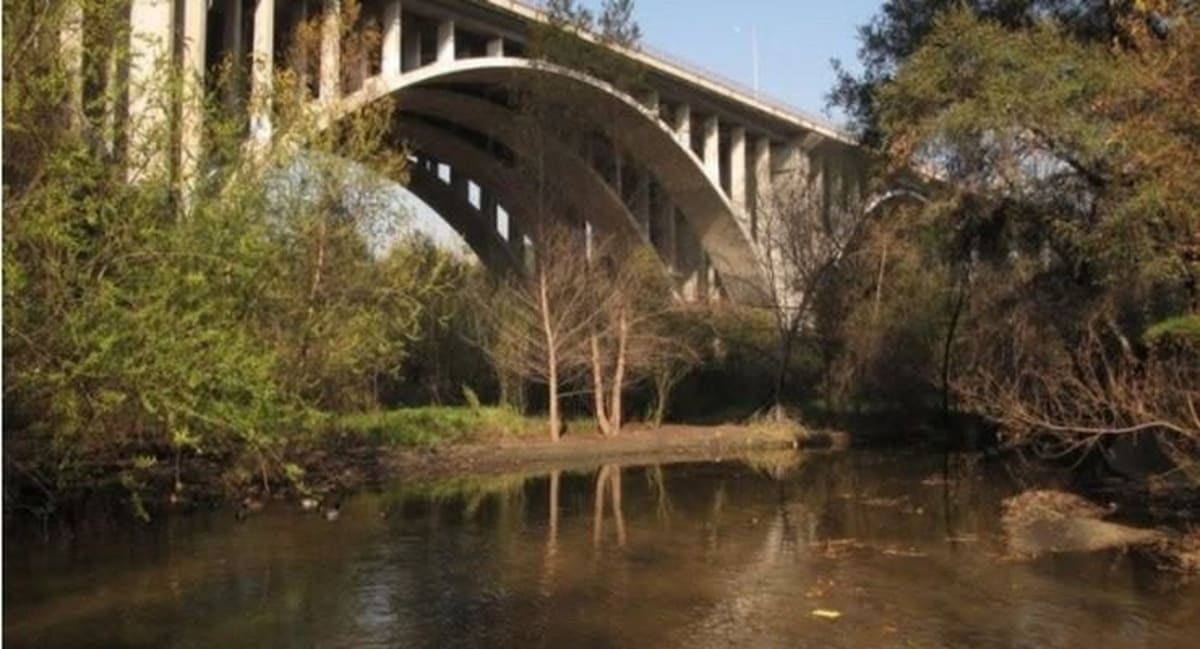
Two Interceptor devices now patrol the Río Abajo and Río Matías Hernández, silently collecting trash that would otherwise flow into the Bay of Panama. The installations are part of The Ocean Cleanup's ambitious 30 Cities Program, which aims to eliminate one third of all river-borne plastic entering oceans by 2030.
The numbers tell an encouraging story. These two interceptors alone prevent over 800,000 kilograms of waste from reaching the sea each year and recover at least 100,000 kilograms of plastic annually. That's enough to fill hundreds of garbage trucks that would otherwise dump their contents into critical coastal ecosystems.
Panama City generates over 41,000 tons of plastic waste yearly, and its location on the Pacific coast means pollution directly threatens mangroves and other vital habitats. More than two million migratory birds depend on these ecosystems during their annual journeys.
Kia Corporation stepped up as a Global Mission Partner in 2022, committing funding, vehicles, and research expertise through 2031. The automaker isn't just writing checks. They're integrating ocean-harvested plastic into their own products, including a limited-edition trunk liner for the Kia EV3 made with 40 percent recycled plastic pulled from the Great Pacific Garbage Patch.
In July 2026, an international team visited Panama City to document the project's real-world impact. They met with local communities, interviewed people implementing the cleanup, and recorded the visible improvements to waterways that were once choked with debris.
Local partner Marea Verde works alongside The Ocean Cleanup to restore seven major rivers flowing through Panama City. Environmental education programs teach residents to reduce plastic waste at the source, creating lasting change beyond just cleanup.
The Ripple Effect
The Panama City project creates a blueprint other coastal cities can follow. With The Ocean Cleanup already preventing over 60 million kilograms of trash from entering oceans worldwide, proven technology now exists to tackle river pollution at scale.
Steve Lee, President of Kia Central and South America, emphasized how innovation and collaboration protect biodiversity. James Patterson, Panama Lead at The Ocean Cleanup, noted that combining global expertise with local knowledge creates solutions that benefit entire ecosystems.
The project also restores more than 30 kilometers of coastline and improves quality of life for communities living along these rivers. Children can play near cleaner waterways, fishermen find healthier catches, and neighborhoods reclaim public spaces once marred by trash.
Five additional regional waterways are slated for intervention, suggesting Panama City's success could multiply across Central America. When corporations commit long-term support to environmental organizations with proven track records, measurable progress becomes possible.
The floating interceptors work 24/7, turning what seemed like an impossible problem into a solvable challenge.
Based on reporting by Google News - Ocean Cleanup
This story was written by BrightWire based on verified news reports.
Spread the positivity!
Share this good news with someone who needs it