Kia Helps Block 800,000 Kg of Plastic From Panama Bay
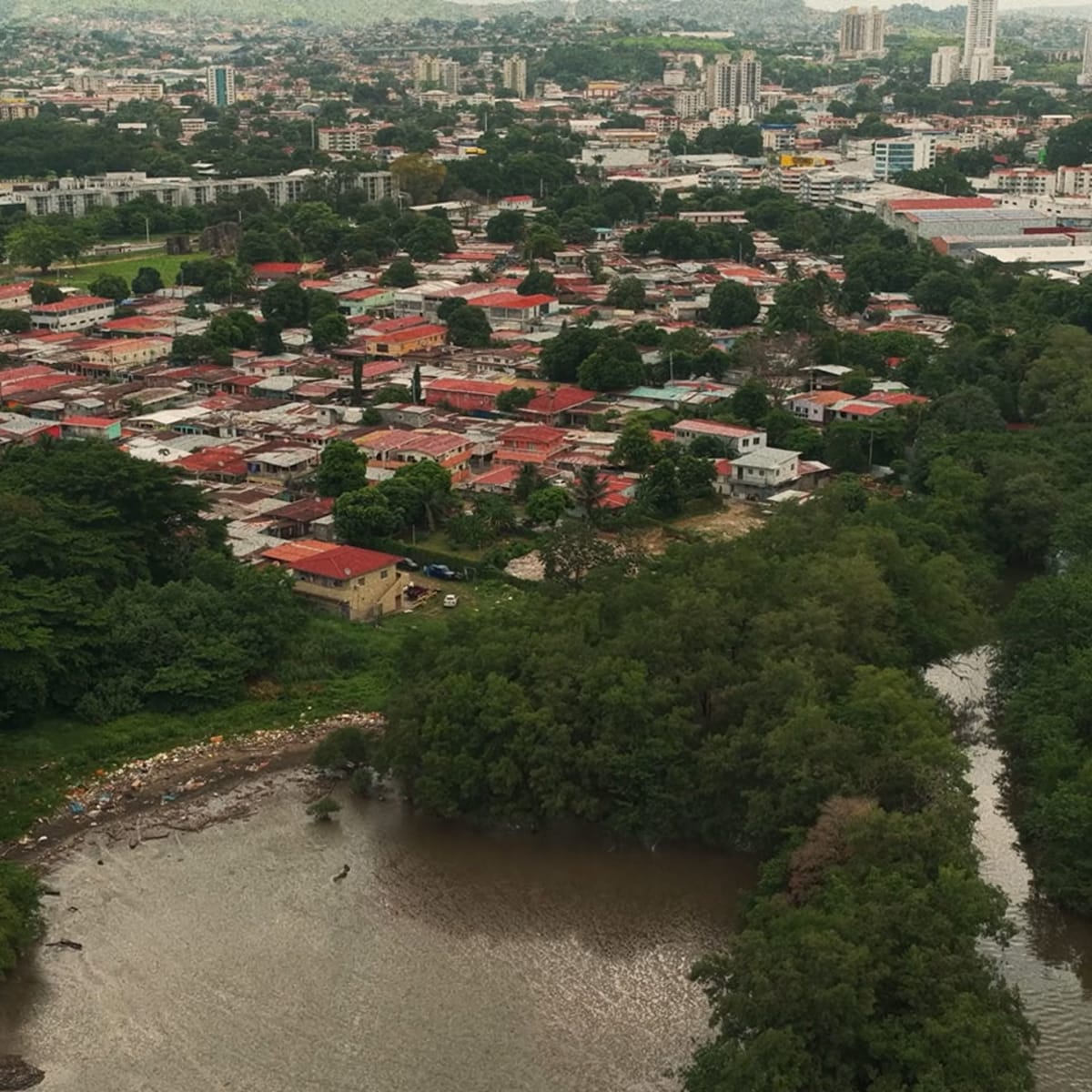
Two river barriers are stopping plastic waste from reaching the ocean in Panama City, where 41,000 tons of plastic is generated each year. Kia and The Ocean Cleanup are working together to protect seven rivers and recover at least 100,000 kilograms of plastic annually.
📺 Watch the full story above
Panama City's rivers are getting cleaner, and the ocean is getting a fighting chance.
Two new devices called Interceptors now sit on the Río Abajo and Río Matías Hernández, catching plastic waste before it flows into the Bay of Panama. These barriers are part of The Ocean Cleanup's ambitious 30 Cities Program, which targets the world's most polluted rivers.
Panama City generates more than 41,000 tons of plastic waste every year. Much of that trash ends up in rivers, floating toward the ocean and threatening marine life along the way.
Interceptor 022 and Interceptor 025 are changing that story. These solar-powered devices work like floating barriers, collecting debris as it flows downstream and storing it for proper disposal on land.
The project spans seven major rivers throughout the city. Together, these efforts aim to prevent more than 800,000 kilograms of waste from reaching the sea each year.
Local non-profit Marea Verde is working alongside the cleanup teams, helping coordinate collection and community education. Their partnership ensures that recovered plastic gets properly managed instead of returning to the environment.
Kia has supported The Ocean Cleanup since 2022 as a Global Mission Partner. The automotive company provides funding, vehicles for crew mobility, and research and development expertise to improve cleanup technology.
The barriers work around the clock, rain or shine. They autonomously extract trash from the water without harming fish or disrupting river navigation.
The Ripple Effect
This isn't just about keeping Panama's waters cleaner. When plastic stays out of the ocean, it protects entire ecosystems that depend on healthy marine environments.
Local communities benefit too. Cleaner rivers mean safer water sources, better fishing grounds, and more attractive public spaces for families to enjoy.
The 30 Cities Program targets urban areas where river pollution is most severe, but the impact reaches far beyond city limits. Stopping plastic at the source prevents it from breaking down into microplastics that contaminate the global food chain.
Every kilogram of waste caught by these Interceptors is waste that won't wash up on distant beaches or get eaten by sea turtles mistaking it for food. The technology proves that we can reverse course on plastic pollution with the right tools and partnerships.
Panama City shows what's possible when companies, nonprofits, and communities work together on environmental solutions that actually scale.
Based on reporting by Google News - Ocean Cleanup
This story was written by BrightWire based on verified news reports.
Spread the positivity!
Share this good news with someone who needs it