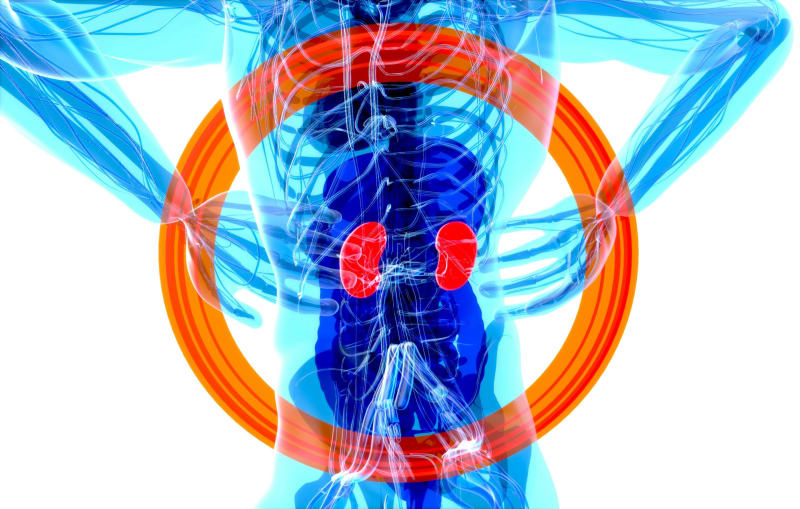
Kidney Cancer Treatment Now Works Without Major Surgery
A decade-long study of nearly 1,900 patients found that a minimally invasive procedure works just as well as surgery for small kidney cancers, with faster recovery and fewer complications. Most patients go home the same day.
Thousands of people diagnosed with small kidney cancers each year may soon skip major surgery entirely, thanks to a Danish study that followed nearly 1,900 patients for almost a decade.
Researchers at Aarhus University tracked patients with stage T1a renal cell carcinoma, the most common type of small kidney cancer. These cancers are increasingly found by accident during CT scans for other health issues, creating a growing challenge for healthcare systems worldwide.
The study compared three approaches: ablation (a minimally invasive procedure), partial surgical removal, and full or partial kidney removal. Ablation uses extreme heat or cold to destroy tumors through image guidance, without cutting the patient open. Since Denmark introduced the procedure in 2006, its use has steadily grown.
The results were striking. Ablation worked just as well as surgery at preventing cancer progression. Most ablation patients went home the same day, while surgical patients needed longer hospital stays. Ablation patients also had fewer complications in the 30 days following treatment.
There was one tradeoff: local recurrence happened slightly more often with ablation (2.41%) compared to partial removal (1.20%). But those recurrences could be successfully treated with another ablation or surgery, and importantly, patients who experienced recurrence didn't have worse overall survival rates.
Lead researcher Dr. Iben Lyskjær emphasizes that many of these accidentally discovered tumors might never become aggressive cancers. That makes a less invasive approach even more appealing for many patients.
The study involved 1,862 patients with a median age of 64. Because it tracked every patient in Denmark diagnosed during the study period, it reflects real-world outcomes in a national healthcare system, not just results from specialized centers.
The Bright Side
This research gives patients real choices about their care. Someone diagnosed with a small kidney cancer no longer faces only one path forward. They can weigh the slightly higher recurrence risk of ablation against same-day recovery and fewer complications.
Dr. Lyskjær believes the medical community should present patients with data and ask what matters most to them. For many, avoiding major surgery and returning home the same day will be worth regular monitoring. For others, the lowest possible recurrence rate will matter most.
The findings also ease pressure on healthcare systems dealing with rising numbers of incidentally discovered kidney cancers. A procedure that costs less, requires less hospital time, and causes fewer complications could help more patients access timely treatment.
As imaging technology improves and more people get scans for various reasons, early cancer detection will only increase. Having effective, less invasive treatment options means that early detection can remain the gift it's meant to be.
More Images

Based on reporting by Medical Xpress
This story was written by BrightWire based on verified news reports.
Spread the positivity!
Share this good news with someone who needs it