Oxygen Therapy Shows Promise for Long COVID Brain Fog
A New Mexico court worker who couldn't drive or work after long COVID returned to normal life following eight weeks of hyperbaric oxygen therapy. Scientists are studying whether pressurized oxygen chambers could help millions suffering from the debilitating condition.
A 49-year-old court professional had become so cognitively impaired from long COVID that he feared moving into a memory care facility. After 18 months of struggling with brain fog so severe he couldn't drive or work full time, he tried hyperbaric oxygen therapy at a Santa Fe clinic.
Eight weeks later, two thirds of his neurocognitive test scores returned to normal range. He resumed working full time and driving again.
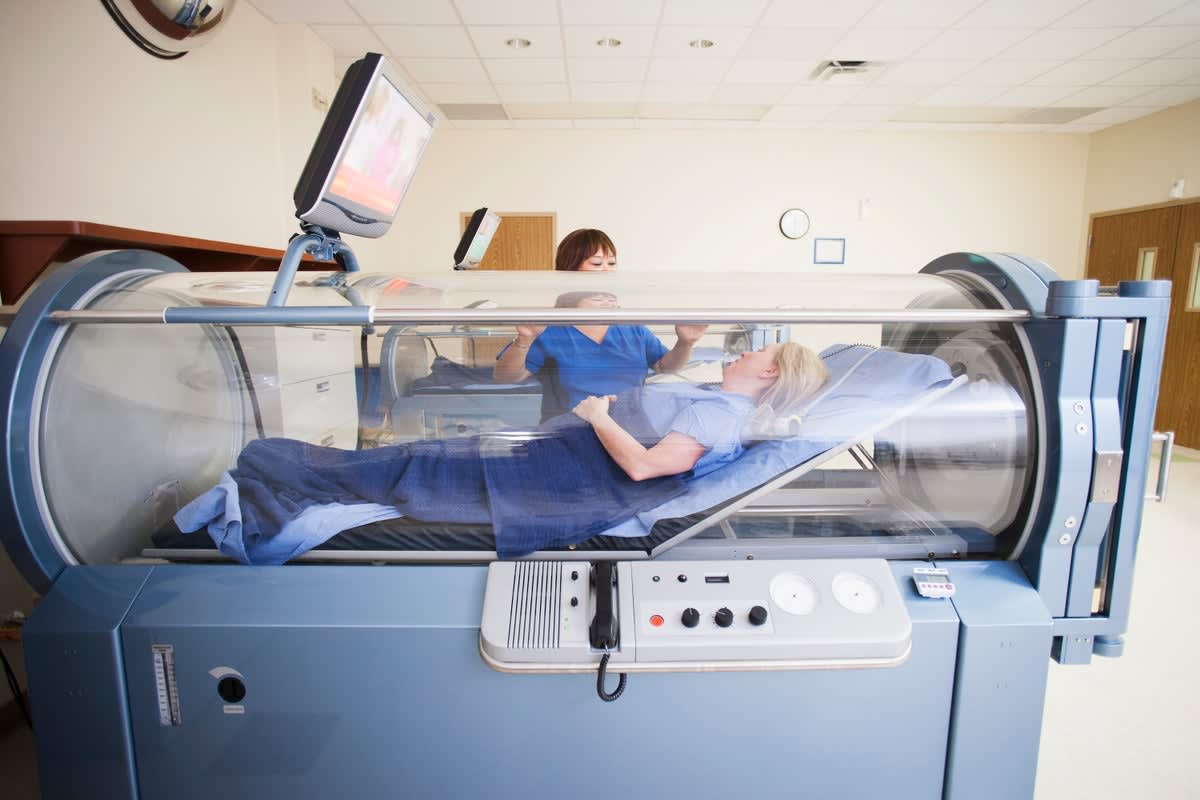
His recovery is fueling hope for millions worldwide suffering from long COVID, a condition marked by debilitating fatigue and brain fog that has no clear cure. Hyperbaric oxygen therapy, which involves breathing pure oxygen in a pressurized chamber, is already proven to heal decompression sickness, carbon monoxide poisoning, and diabetic wounds.
Now researchers are testing whether it could tackle long COVID too. The therapy may work by forcing more oxygen into blood when damaged capillaries prevent normal oxygen absorption. It might also reduce blood clotting problems, calm inflammation, and help cellular powerhouses called mitochondria function better.
An Israeli study of 73 long COVID patients found lasting improvements in cognition, energy, and sleep after 40 daily sessions over two months. Those benefits stuck around for at least a year.
But a Swedish trial showed no improvement over placebo treatment. The key difference? That study used only 10 sessions over six weeks instead of daily treatments.
The mixed results make sense because long COVID likely has multiple causes, from lingering virus particles to immune problems to blood vessel damage. Different patients may need completely different treatments.
Experts believe hyperbaric oxygen therapy works best for patients with vascular dysfunction or brain inflammation. More research is needed to figure out which patients benefit most and at what dosage.
The therapy appears safe in controlled settings, though 13 to 19 percent of Dutch patients saw their symptoms worsen. People whose symptoms flare after minor exertion face higher risks because the treatment requires breathing against high pressure for 90 minutes daily.
Why This Inspires
This research offers genuine hope to people whose lives have been upended by long COVID. While scientists work to identify which patients benefit most, some people are already reclaiming their independence and returning to work. The therapy's track record with other conditions and promising early results suggest we're moving closer to real solutions for a condition that has left millions struggling.
Neither the FDA nor the Undersea and Hyperbaric Medical Society officially recognizes long COVID as an approved use yet. But the American Academy of Physical Medicine and Rehabilitation lists it as an emerging therapy worth watching.
For patients carefully selected and monitored by trained hyperbaric medicine specialists, this treatment could be a path back to normal life.
More Images

Based on reporting by Scientific American
This story was written by BrightWire based on verified news reports.
Spread the positivity!
Share this good news with someone who needs it