Kids React to Classical Music with Pure Honesty
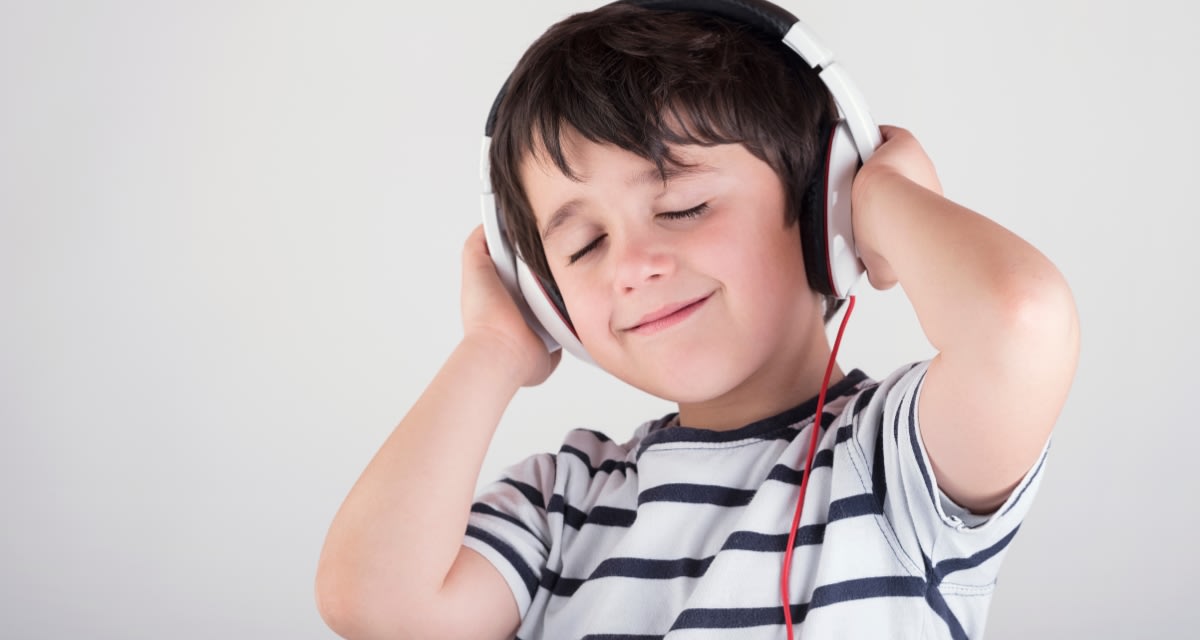
A Boston radio station asked young children to describe how classical music makes them feel. Their responses ranged from "flowers blooming" to "scary Santa" and proved kids might be the best music critics.
When CRB Classical radio station asked young children to listen to famous classical pieces, they got answers no professional music critic would ever think to give.
The Boston station partnered with the Boston Children's Museum for a five-day social media series. They played iconic pieces like Flight of the Bumblebee, The Four Seasons, and William Tell Overture, then asked kids one simple question: "How does this music make you feel?"
The responses were pure gold. One boy listening to Rimsky-Korsakov's Flight of the Bumblebee confidently declared, "It kind of sounds like a bee," before immediately changing his mind. "No, it doesn't sound like a bee! It just sounds like horns!"
Other kids got surprisingly profound. "It feels like I'm in a war," said one child. Another observed, "There's like a pandemonium going on," while dancing around to the music.
When Rossini's William Tell Overture played, children shouted "stampede!" and "horses!" One boy simply said it sounded "happy." For Vivaldi's "Spring," a girl thoughtfully shared, "It sounds like flowers blooming." Another added, "It sounds like playing outside."
Not all reactions were poetic. One child, listening to Bach's famously dramatic Toccata and Fugue, stuck his tongue out and made repeated "Ehhhh" sounds. Another looked terrified and whispered, "Spooky."
Sunny's Take
These adorable responses actually reveal something important. Research shows classical music genuinely helps children develop spatial reasoning skills, the kind of thinking needed for math and science. Studies on the "Mozart Effect" found that kids who listen to classical composers show improved performance on spatial tasks like solving puzzles.
The complex harmonies and melodies activate neural pathways in young brains. Even short-term exposure can have measurable effects on children's cognitive abilities.
One longtime early childhood music teacher commented on the videos, saying kids' responses to classical music lessons are among their favorites in 25 years of teaching. Classical music has also been shown to improve social interactions between children and help them regulate their emotions better.
Watching children experience these masterpieces without preconceptions reminds us why composers created them in the first place: to make us feel something real.
More Images



Based on reporting by Upworthy
This story was written by BrightWire based on verified news reports.
Spread the positivity!
Share this good news with someone who needs it