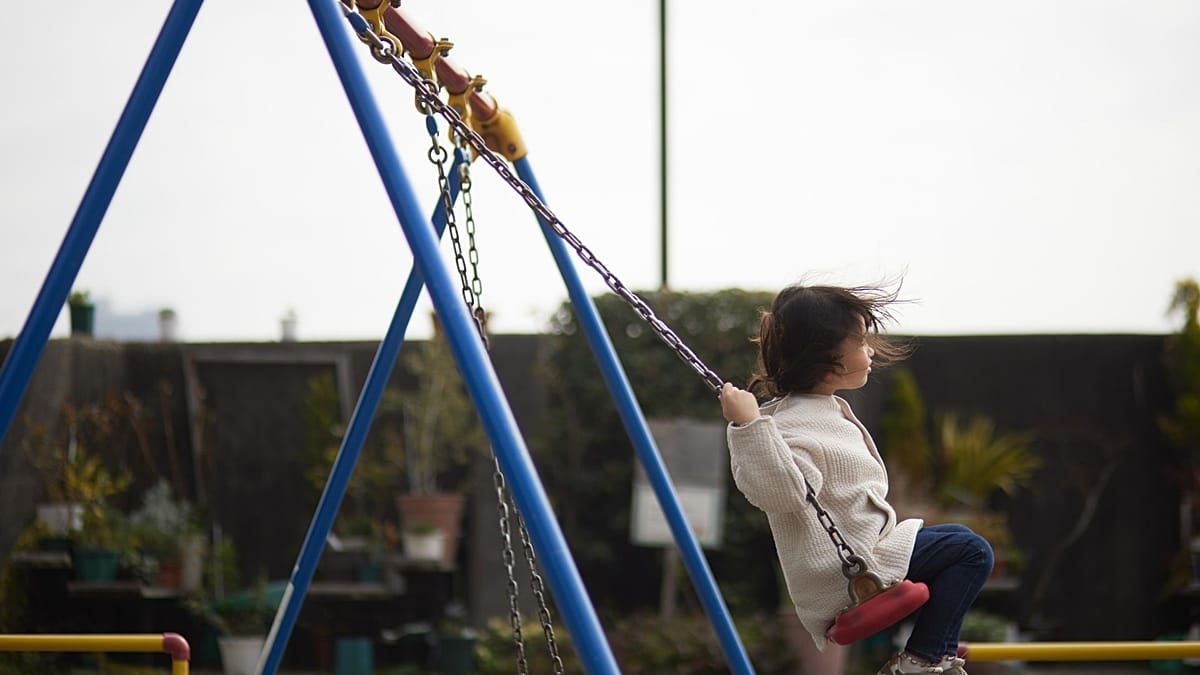
Kids Who Play Alone May Be Happiest That Way, Study Finds
New research shows children who choose to play alone can be just as socially satisfied as their peers. The secret is whether they still feel like they belong.
That child sitting contentedly alone at recess might not need rescuing after all.
A new study from the University of Georgia reveals that some kids who play solo are simply happy in their own company. Researchers found these children can still feel satisfied with their friendships and place in the wider peer group, as long as they feel confident they belong.
The research team surveyed 473 students between ages nine and eleven across several Georgia elementary schools. Kids identified which classmates tended to play alone while still getting along well with others, then shared how much they valued belonging and how happy they were with their social lives.
The results showed an important split. Children who preferred alone time but still valued belonging reported being satisfied with both individual friendships and their wider peer relationships. These kids accept enough invitations to stay socially connected while feeling comfortable saying no when they'd rather be alone.
"They prefer to be alone and do their own thing rather than playing with their peers, but they still have that other flip side of getting along well with others," said Rachael Pfanz, the study's lead author and an elementary school psychologist.
However, children who placed little importance on fitting in told a different story. These kids were more likely to report poor relationships with both friends and classmates, possibly because regularly turning down invitations eventually means receiving fewer of them.
Michele Lease, a professor of educational psychology at the University of Georgia, compared it to skipping exercise. "There are things we do because we know what's good for us," she said. "Social interaction is the same way."
Why This Inspires
This research gives parents and teachers permission to trust what they're seeing. Not every quiet child needs intervention, and pushing solitary kids into large group activities might do more harm than good.
The researchers suggest a gentler approach: introducing kids who prefer alone time to smaller groups with similar interests. "Maybe don't ask them to go join the big soccer game right away on the playground," Pfanz said. "That's a little overwhelming if they're already preferring to play alone."
The findings are especially relevant for fourth and fifth graders, when friendship groups become more established and children can better distinguish between classmates choosing solitude and those being excluded.
What matters most isn't how much time a child spends alone, but whether they still feel they belong.
More Images

Based on reporting by Euronews
This story was written by BrightWire based on verified news reports.
Spread the positivity!
Share this good news with someone who needs it


%2Fhttps%3A%2F%2Ftf-cmsv2-smithsonianmag-media.s3.amazonaws.com%2Ffiler_public%2F03%2F9d%2F039dfbc7-b058-4b71-876d-a8baec6035af%2Fpsilocybe_pelliculosa_122504.jpg)