King's College Wins Access to Google's Willow Quantum Chip
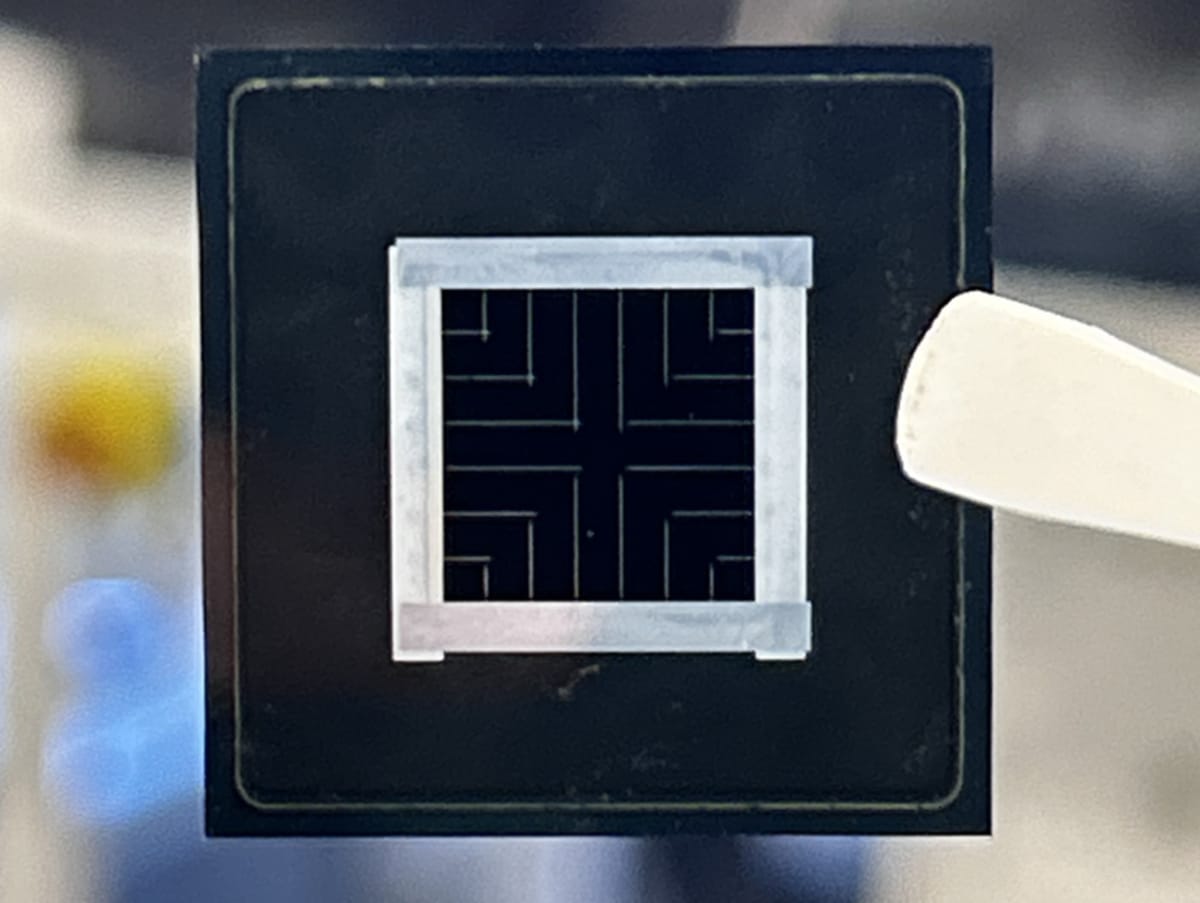
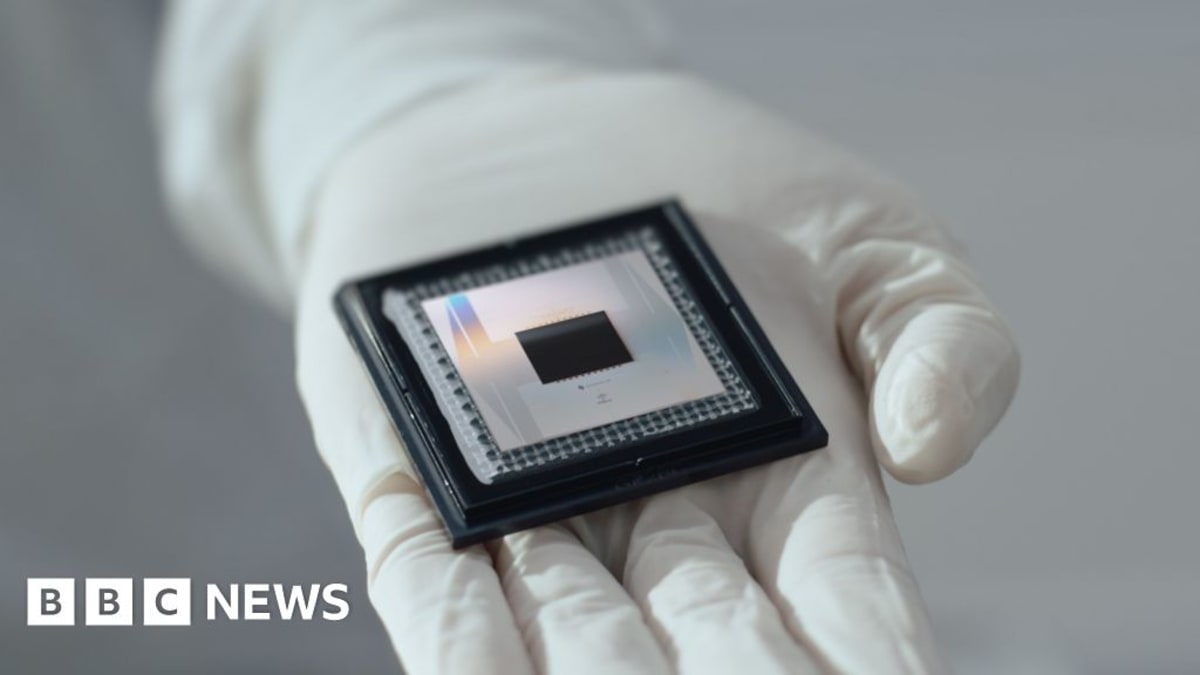
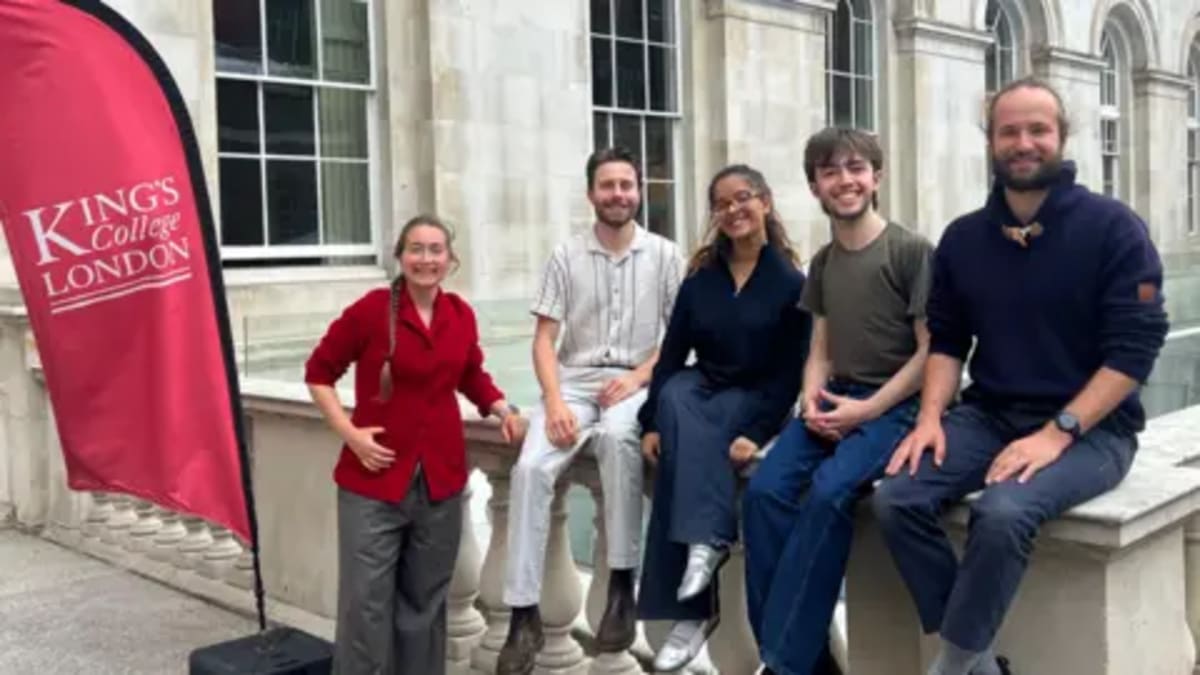
Scientists from King's College London have become the first UK academic team to access Google's groundbreaking quantum computer chip, Willow. This partnership could unlock answers to mysteries like photosynthesis and lead to better solar cells, new medicines, and more efficient energy grids.
A London research team just gained access to technology that could help us finally understand how nature's most beautiful processes actually work.
King's College London scientists are now the first UK academic researchers using Google's Willow quantum chip, a machine so powerful it can solve certain problems in five minutes that would take today's fastest supercomputers 10 septillion years. That's a number with 25 zeros.
Dr. Eleanor Crane, who leads the King's project, says Willow will "light a torch" for research into questions that have stumped scientists for generations. Her team wants to understand how plants turn sunlight into energy, how electricity moves through materials, and how molecules bind together.
These natural processes involve countless tiny particles interacting in ways our current computers simply cannot model. The math is too complex, the variables too numerous.
But quantum computers work differently. They use the same quantum mechanics that govern how particles behave in nature, making them perfectly suited to simulate these natural systems.
Why This Inspires
If Dr. Crane's team succeeds, the implications stretch far beyond the laboratory. Understanding photosynthesis at this level could lead to solar cells that capture energy far more efficiently than today's models.
Grasping how molecules interact could help scientists discover drugs for diseases we cannot currently treat. Better understanding of how materials conduct electricity could transform our energy grids, reducing waste and making renewable power more practical.
Dr. Crane believes quantum computers could start solving "extremely useful problems" by 2028 or 2030. That timeline puts these breakthroughs within reach for millions of people who could benefit from them.
The Ripple Effect
The partnership between Google Quantum AI and Britain's National Quantum Computing Centre invited UK research teams to submit proposals last year. King's College won the competition with what Google's chief operating officer Charina Chou called "a compelling research proposal."
The UK government has committed £2 billion to quantum research, and new partnerships keep forming. Cambridge University recently announced its largest ever corporate partnership to host what it claims will be Britain's most powerful quantum computer.
Competition in quantum computing is heating up globally, with IBM, American firms, and Chinese researchers all racing toward practical applications. While significant technical hurdles remain, Dr. Michael Cuthbert, director of the National Quantum Computing Centre, says these partnerships demonstrate the field's momentum.
The quantum revolution won't replace today's computers but will tackle the puzzles they cannot solve, opening doors to solutions that currently seem impossible.
More Images

Based on reporting by BBC Technology
This story was written by BrightWire based on verified news reports.
Spread the positivity!
Share this good news with someone who needs it