Knitting Helps Fight Addiction, Anxiety, and Nail-Biting
From OCD to eating disorders to cigarette addiction, knitting is emerging as a surprising healthcare tool that calms the mind and keeps hands busy. The only side effect? Too many scarves.
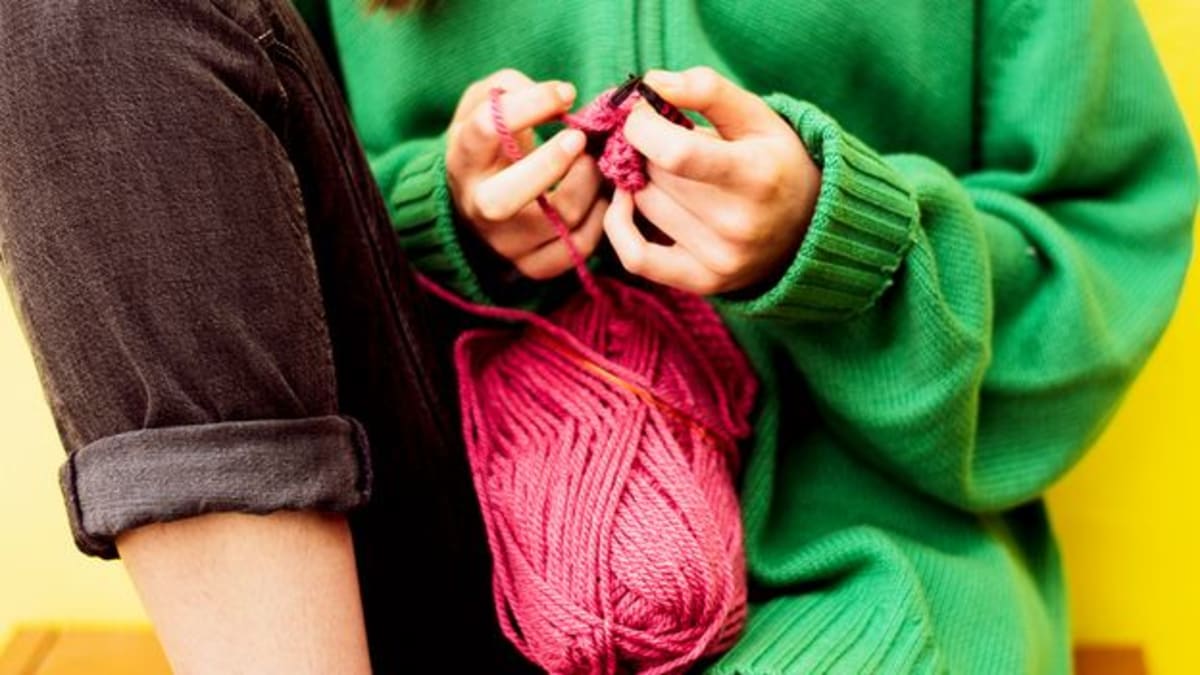
Amanda Wilson spent years picking her skin until it bled and biting her nails down to painful infections. Then she discovered yarn and needles, and everything changed.
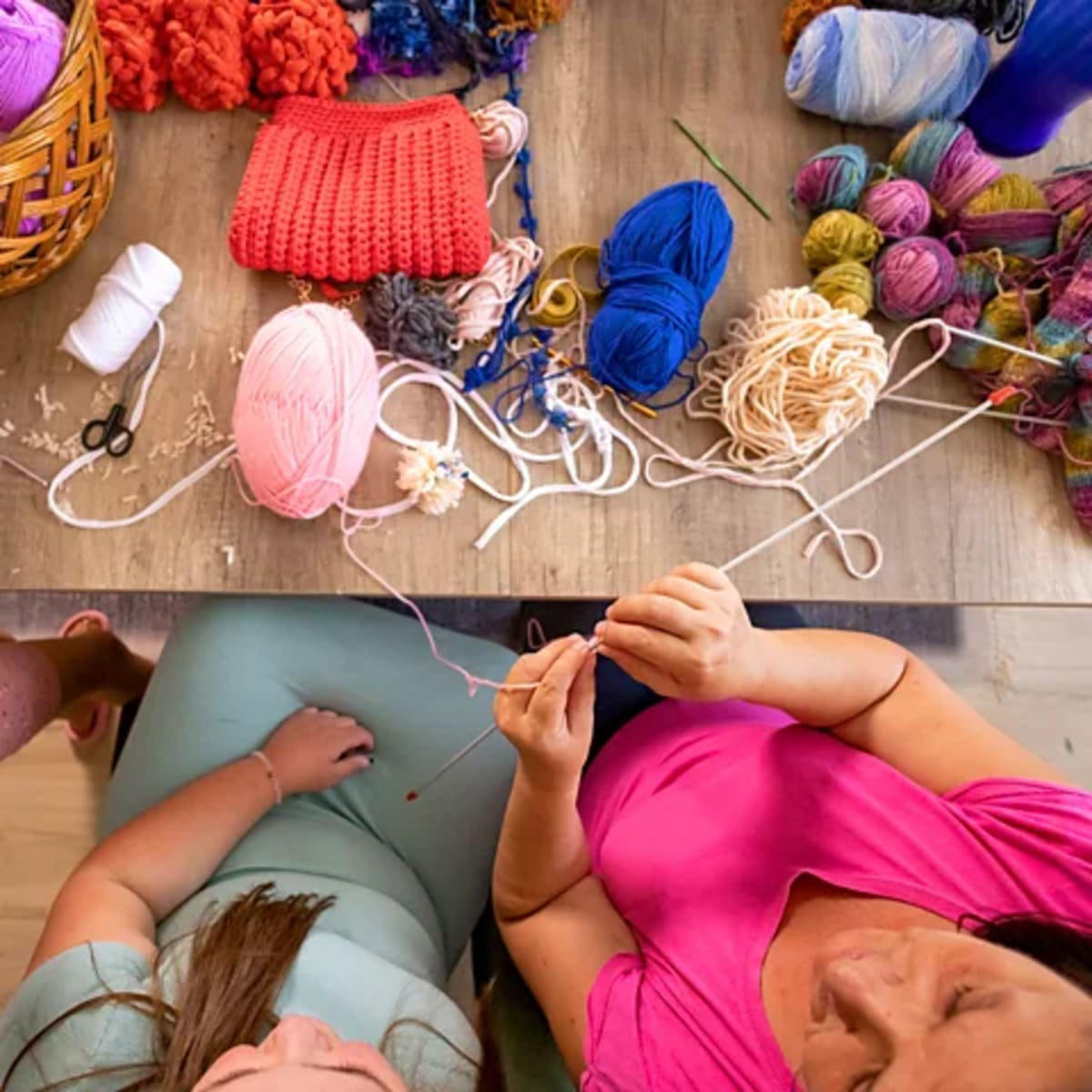
Wilson, who lives with OCD, found that knitting gave her anxious hands something better to do. Now she has healthy skin, beautiful nails, and an ever-growing collection of handmade hats and scarves.
She's not alone in discovering knitting's healing power. Scientists are finding that this humble craft can help people manage everything from doomscrolling to severe eating disorders, and even kick addictions to street drugs.
Dr. Carl Birmingham, a psychiatry professor at the University of British Columbia, has watched knitting work what he calls "remarkable" changes in patients. In his 2009 study at an eating disorder treatment center, 75% of young women said knitting helped ease their anxiety around food.
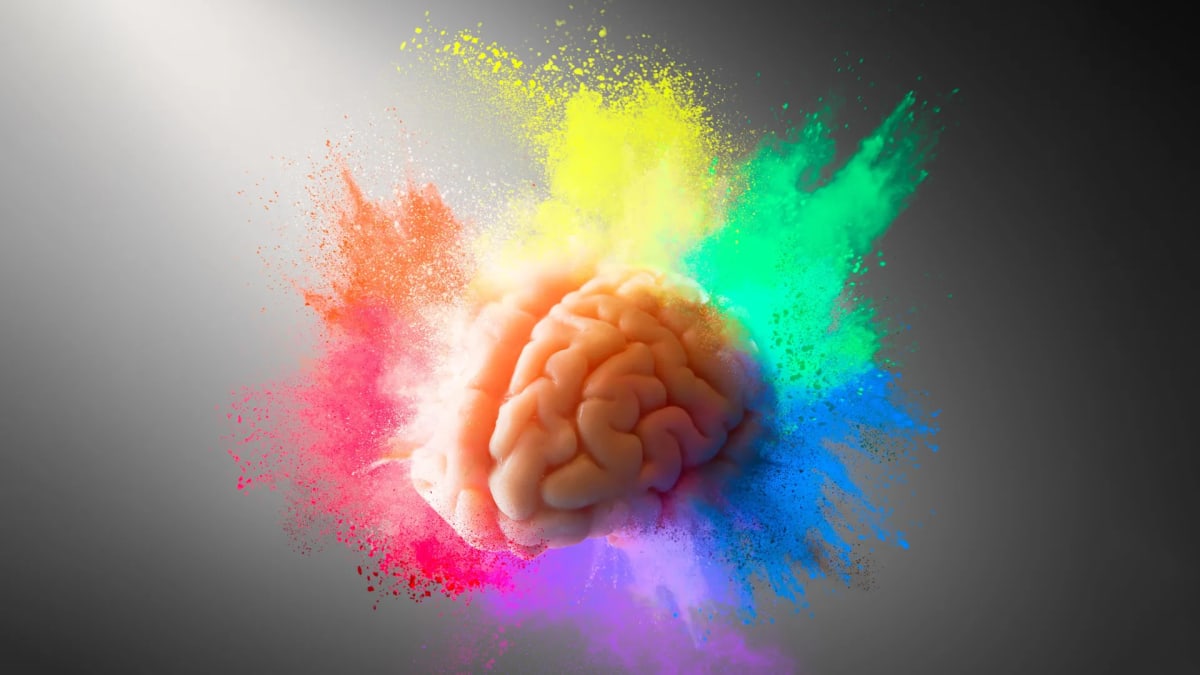
The secret lies in the repetitive, two-handed movements. Birmingham compares knitting to EMDR therapy, which uses rhythmic motion to activate both sides of the brain and calm stress responses.
Clinical psychologist Mia Hobbs says knitting delivers a double benefit for anyone trying to break a bad habit. It helps you process difficult emotions without getting overwhelmed, while keeping your hands too busy to reach for cigarettes, phones, or fingernails.
The research is still limited, mostly surveys of experienced knitters rather than clinical trials. But the results are compelling, and the testimonies keep piling up.
The Ripple Effect
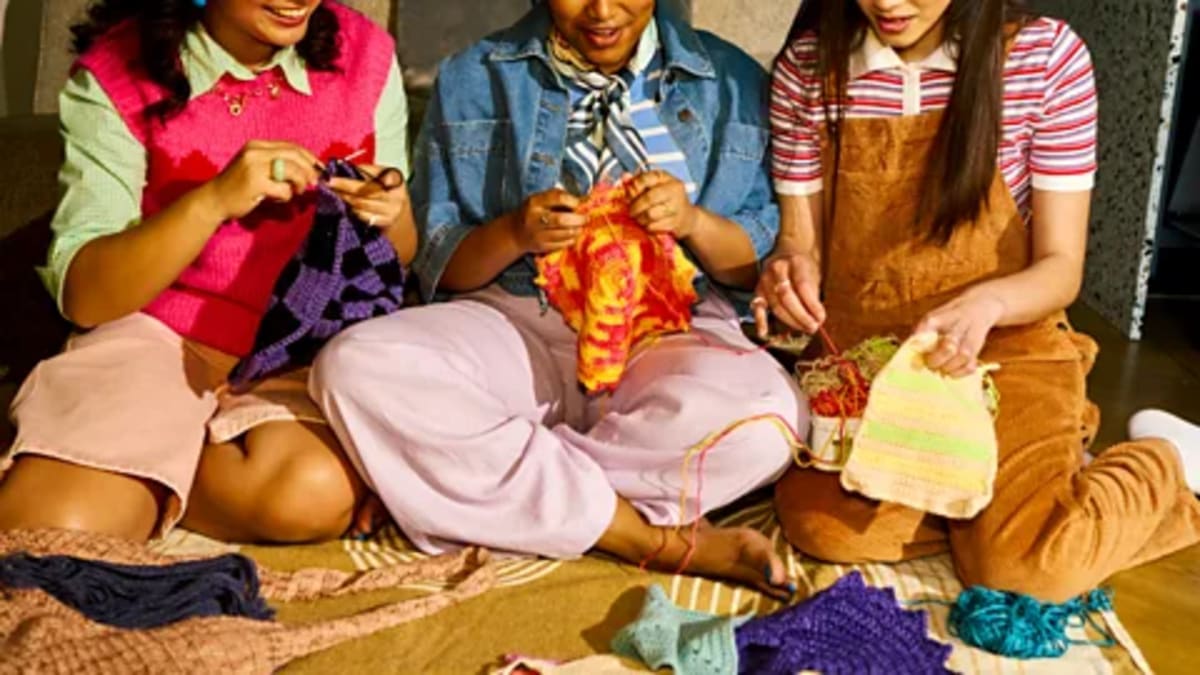
What makes knitting special as a therapeutic tool is how accessible it is. Unlike expensive therapy or medication, anyone can pick up yarn and needles for a few dollars at any craft store.
It's portable enough to take anywhere, from waiting rooms to coffee shops. And unlike many mental health interventions, knitting produces something tangible, a scarf or blanket you can wrap yourself in as proof of your progress.
One famous success story is Loes Veenstra from the Netherlands, who knitted more than 550 sweaters to stay cigarette-free. Her hands were too busy creating to hold a lighter.
Birmingham says you don't even need to be good at knitting to get the calming benefits. As long as you're using both hands in that rhythmic motion, your parasympathetic nervous system kicks in, helping your body and mind wind down from stress.
The craft has struggled with a public relations problem in medical circles, partly because it's been dismissed as "women's work." But that's slowly changing as more studies emerge and more people share their stories of healing through yarn.
For Wilson and thousands of others, knitting isn't just a hobby anymore, it's a lifeline that helped them replace harmful habits with something beautiful.
More Images
Based on reporting by BBC Future
This story was written by BrightWire based on verified news reports.
Spread the positivity!
Share this good news with someone who needs it