Kolkata's Sacred Idols Now Worshipped in 90 Countries
Artisans in Kolkata's ancient Kumartuli colony are shipping handcrafted Durga idols to Bengali communities across 90 countries, keeping centuries-old traditions alive thousands of miles from home. After UNESCO recognized the craft in 2021, demand has soared from Chicago to continents beyond.
Every January, skilled sculptors in Kolkata's Kumartuli neighborhood begin taking orders for goddess idols that will travel eight thousand miles by cargo ship to reach Chicago in time for Durga Puja each October.
The centuries-old craft has gone global in the most beautiful way. Bengali families who settled abroad decades ago wanted to celebrate their festival with authentic idols from home, so they began ordering directly from the same artisans who supply Kolkata's famous celebrations.
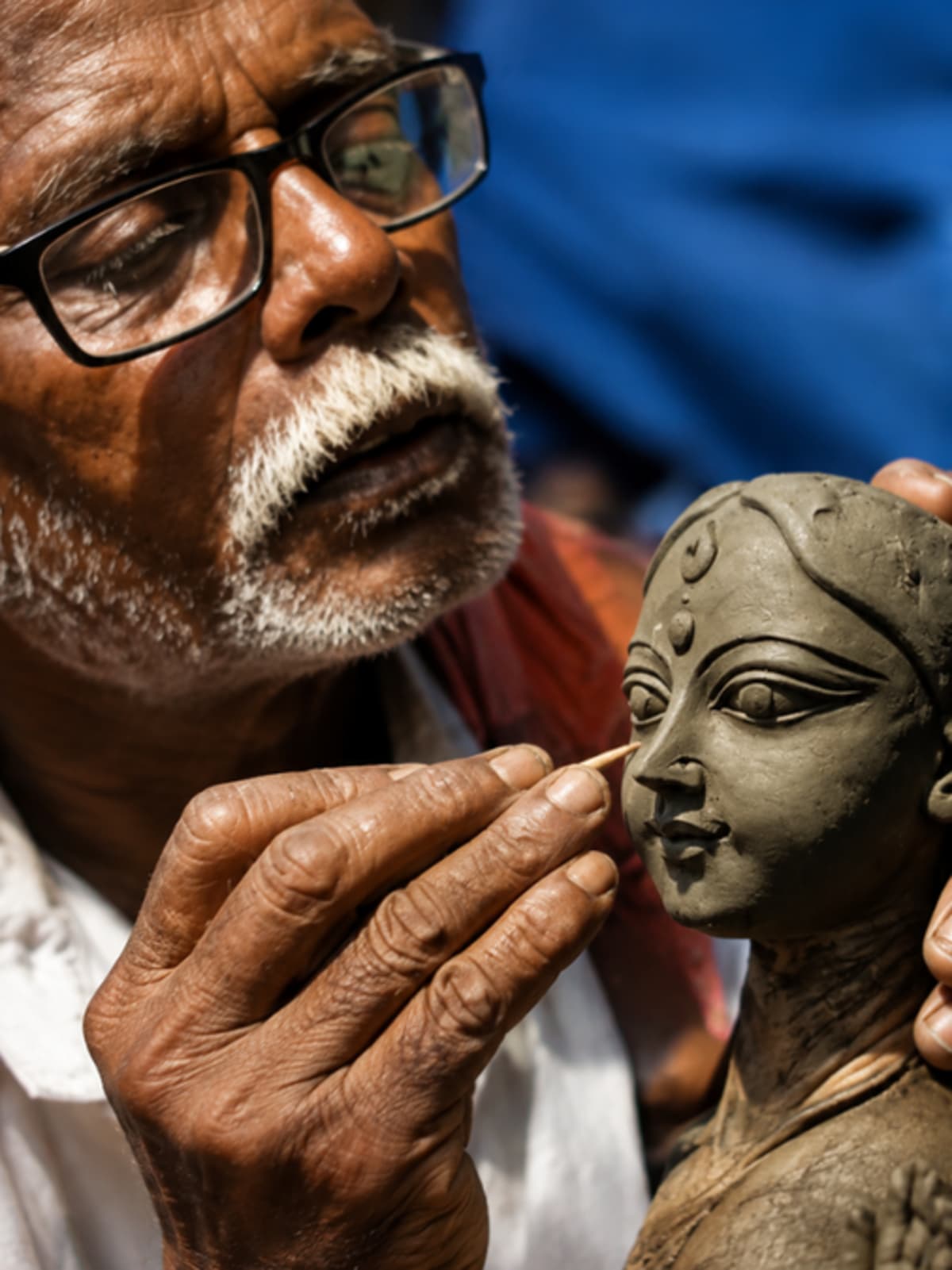
The process is an art form passed down through generations. Sculptors like Mintu Pal bind bamboo and straw into frames, then traditionally layer them with sacred clay from the Hooghly riverbank. But international orders require a modern adaptation.
Since soil cannot cross borders, artisans now cast export idols in durable fibreglass resin molded over clay prototypes. The fibreglass versions survive the three-month ocean journey, resist moisture damage, and weigh far less than traditional clay. Each face is still hand-painted last, giving every goddess her own individual features before she's carefully crated for the voyage.
The difference extends beyond the journey. In Kolkata, clay idols are ceremonially immersed in water days after the festival ends. Chicago's fibreglass Durga stays dry, stored carefully and reused for three to seven years by congregations who treat her with the same reverence.
Once the massive crates reach their destinations, local volunteers unpack and install the idols while priests perform rituals identical to those conducted in Kolkata. The ceremonies connect dispersed communities to their heritage with stunning authenticity.
The Ripple Effect
When UNESCO added Kolkata's Durga Puja to its Intangible Cultural Heritage list in 2021, something remarkable happened. Bengali associations from countries around the world started reaching out to Kumartuli's artisans, and order books began filling months earlier each year.
The recognition sparked global interest that transformed a local tradition into an international cultural bridge. What began with a handful of orders to Chicago has expanded to 90 countries, creating sustainable income for traditional craftspeople while keeping their ancient skills relevant.
Kumartuli's workshops now hum year-round with activity as artisans balance local and international commissions. Young sculptors are choosing to stay in the family trade, seeing a viable future in preserving their heritage.
This isn't just about shipping statues across oceans—it's about diaspora communities investing in authentic cultural connections and supporting the craftspeople who make those connections possible.
Based on reporting by The Better India
This story was written by BrightWire based on verified news reports.
Spread the positivity!
Share this good news with someone who needs it