Kolkata's Wetlands Save City From Floods Naturally
While Mumbai floods paralyzed the city this week, Kolkata stays protected by 12,500 hectares of wetlands that absorb rainwater, treat sewage, and support thousands of livelihoods. This natural "sponge" proves nature can outperform concrete in the climate crisis.
While Mumbai struggled under relentless rain this week, Kolkata quietly stayed afloat thanks to an unexpected hero: a massive stretch of marshland on the city's eastern edge.
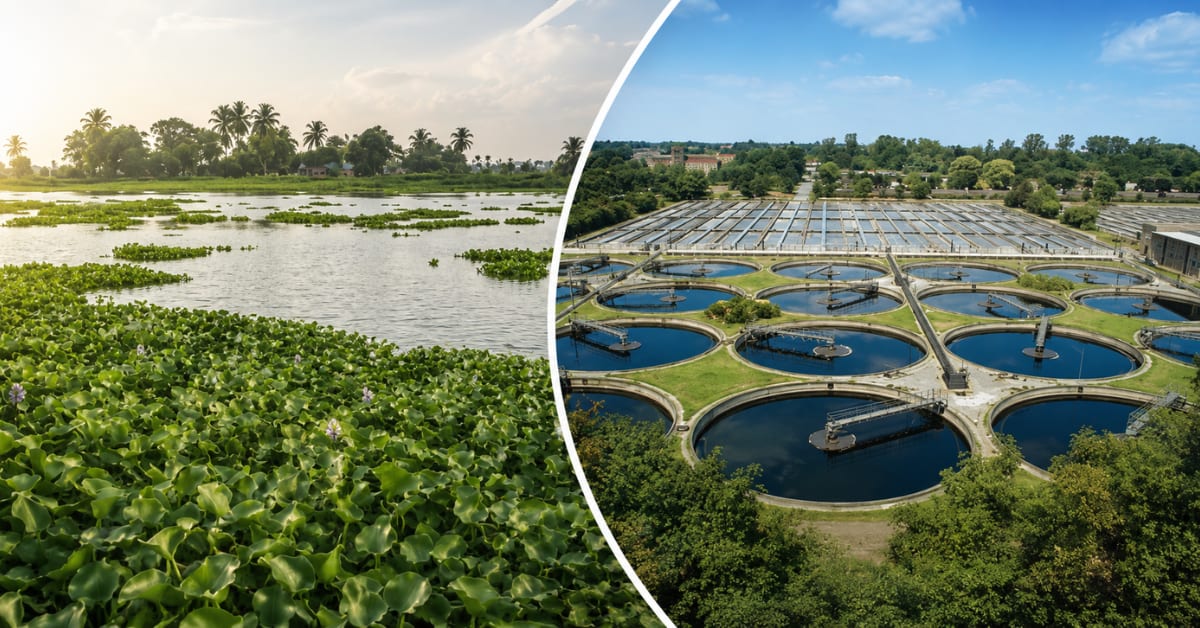
The East Kolkata Wetlands span 12,500 hectares and work like a giant natural sponge. When heavy monsoon rains hit, the wetlands absorb excess water that would otherwise flood streets and homes.
But flood protection is just the beginning. Every day, these wetlands naturally filter a large portion of Kolkata's sewage without expensive treatment plants or electricity.
Sunlight, algae, aquatic plants, and microorganisms work together to clean wastewater before it returns to the environment. The nutrient-rich water then flows into fish ponds and farms, creating a circular economy that has sustained local communities for generations.
Recognized as a Wetland of International Importance in 2002, the system supports more than 250 sewage-fed fisheries alongside vegetable farms and rice paddies. Thousands of families earn their living from this ecosystem while simultaneously protecting the city and reducing pollution.
Scientists call this a nature-based solution, where healthy ecosystems provide services that concrete infrastructure often struggles to match. As climate change brings more intense rainfall across India, these natural flood buffers are becoming increasingly valuable.
The Ripple Effect
The East Kolkata Wetlands demonstrate something powerful: conservation and livelihoods don't have to compete. In fact, they can support each other.
This living landscape turns what most cities see as a waste disposal problem into a resource. Wastewater becomes fertilizer for fish and crops, supporting food security while protecting against floods.
The model combines traditional ecological knowledge with modern climate resilience. It's one of the few places in the world where an entire city depends on wetlands not just for environmental protection, but for daily survival and prosperity.
Other Indian cities are taking notice. As urban flooding intensifies and infrastructure buckles under extreme weather, planners are realizing that working with nature may be more effective than fighting against it.
The wetlands do face threats from illegal encroachment and urban expansion. Experts warn that shrinking these natural buffers could leave Kolkata vulnerable while threatening biodiversity and the livelihoods that depend on healthy ecosystems.
But the system has survived for generations, and awareness is growing. Recent flooding in cities across India has reminded planners that lakes, wetlands, and floodplains once gave water somewhere to go.
As monsoons become more unpredictable, Kolkata's wetlands offer hope: sometimes the best climate solutions aren't about building bigger drains or taller walls, but about protecting the ecosystems that have been doing the job all along.
More Images
%2Fenglish-betterindia%2Fmedia%2Fmedia_files%2F2026%2F07%2F07%2Feast-kolkata-wetlands-2026-07-07-15-21-04.png)
%2Ffilters%3Aformat(webp)%2Fenglish-betterindia%2Fmedia%2Fmedia_files%2F2026%2F07%2F07%2Feast-kolkata-wetlands-2026-07-07-15-22-15.png)
%2Ffilters%3Aformat(webp)%2Fenglish-betterindia%2Fmedia%2Fmedia_files%2F2026%2F07%2F07%2Feast-kolkata-wetlands-2026-07-07-15-25-24.png)
Based on reporting by The Better India
This story was written by BrightWire based on verified news reports.
Spread the positivity!
Share this good news with someone who needs it