Korea Exports New Tech for Global Cultural Education
South Korea is turning a behind-the-scenes challenge into an opportunity. As Korean cultural institutions expand worldwide, media technology companies are stepping in to help manage millions of educational videos, language lessons, and cultural archives across 89 countries.
While K-pop and Korean dramas capture headlines, a quieter revolution is helping Korea's cultural reach grow even further.
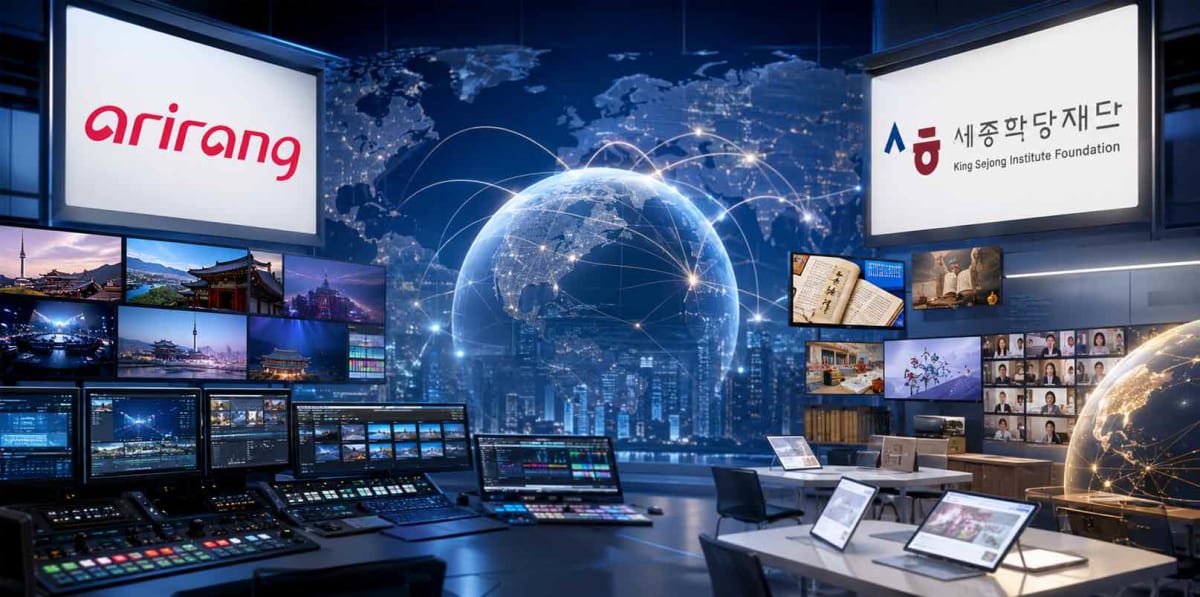
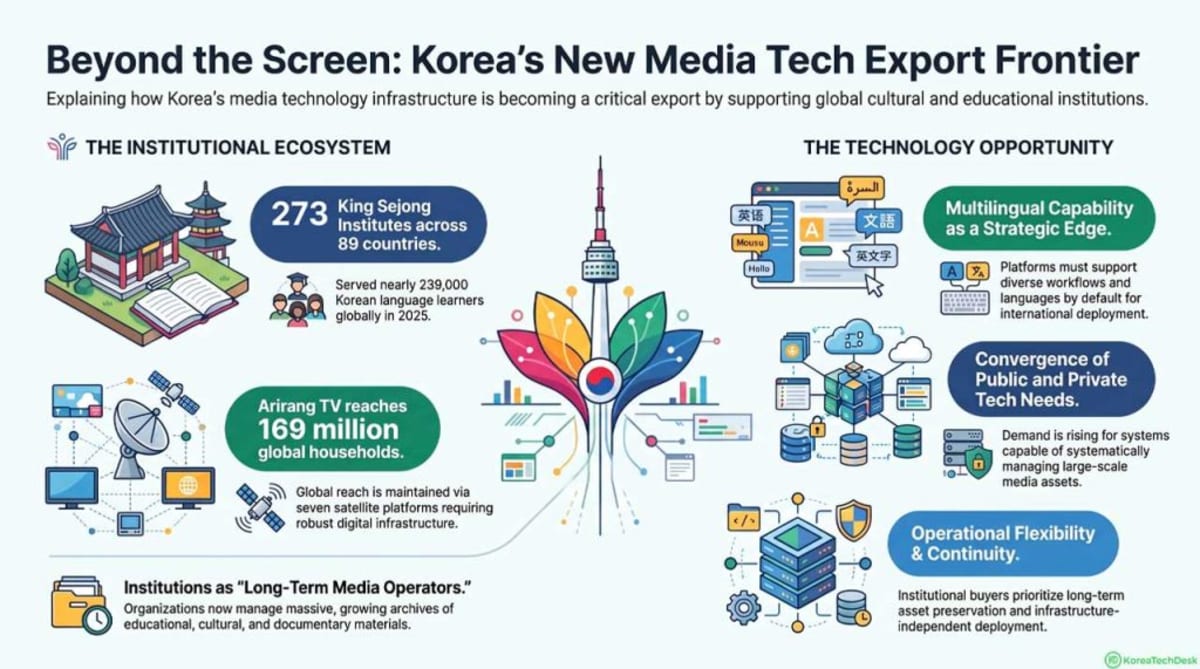
South Korea now operates 273 King Sejong Institutes teaching Korean language across 89 countries, joined by Korean Cultural Centers and broadcasters like Arirang TV reaching 169 million households worldwide. These institutions face a growing challenge: managing massive collections of educational videos, cultural programs, and multilingual archives that expand every year.
Korean media technology companies are solving that problem, creating a new export market in the process. Companies like Catenoid are building enterprise platforms that help cultural and educational organizations manage thousands of hours of content across different languages and regions.
Seungki Park, who leads platform development at Catenoid, sees the opportunity clearly. Organizations promoting Korean language and culture need the same sophisticated technology that entertainment companies use, but adapted for education and public service.
The model already works through collaboration. Arirang TV and King Sejong Institute lead cultural outreach while private companies provide the technology backbone. A student learning Korean might watch educational videos, documentaries, and cultural content from multiple sources, all requiring reliable digital infrastructure behind the scenes.
The numbers show real growth. Nearly 239,000 learners participated in Korean language education through King Sejong Institutes in 2025. As these networks expand, the technology supporting them must scale too.
The Ripple Effect
This approach creates wins across the board. Cultural institutions get reliable systems to preserve and share Korean heritage. Technology companies find new international customers beyond entertainment. Learners worldwide access better organized educational content in their own languages.
The technology needs differ from commercial streaming. Educational platforms must handle multilingual workflows, diverse teaching materials, and long-term archival needs rather than just entertainment distribution. Korean companies building these capabilities gain expertise that works across global cultural institutions.
What started as an operational challenge is becoming an export strength. Korea isn't just sharing its culture; it's sharing the technology that helps other countries understand it.
More people learning Korean means more connections being made, one video lesson at a time.
More Images


Based on reporting by Regional: south korea technology (KR)
This story was written by BrightWire based on verified news reports.
Spread the positivity!
Share this good news with someone who needs it