Korean Lab Achieves 2,500 PPI Display Breakthrough
South Korean researchers just cracked a major puzzle in creating ultra-sharp displays for next-generation AR glasses and VR headsets. The breakthrough could bring us closer to lightweight devices with crystal-clear visuals that don't drain batteries.
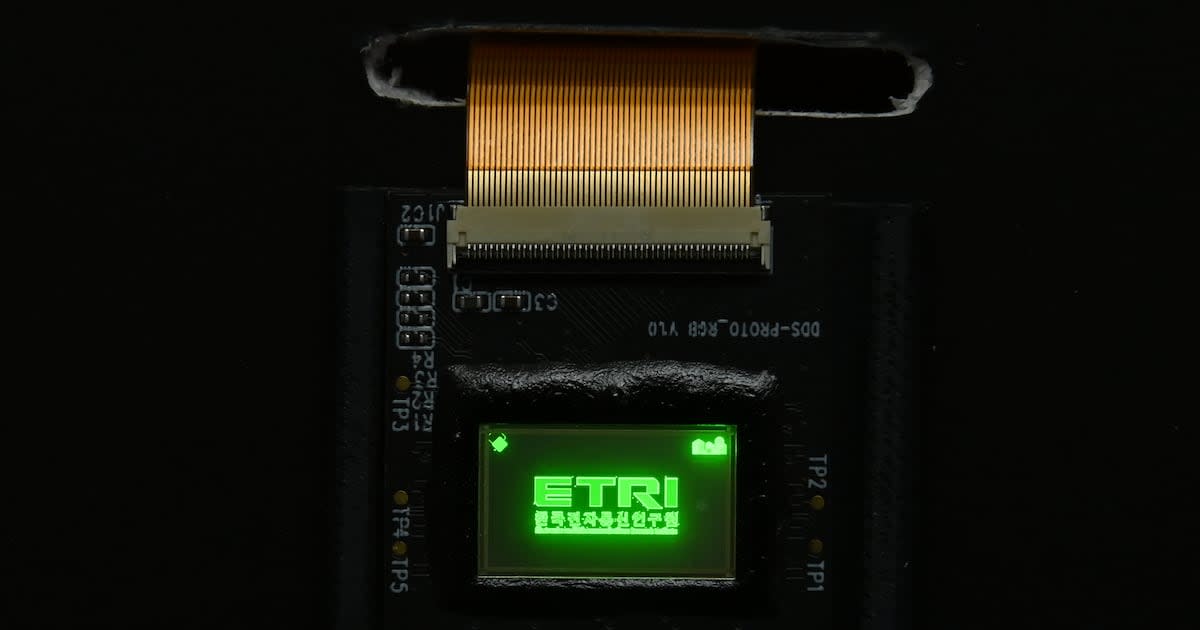
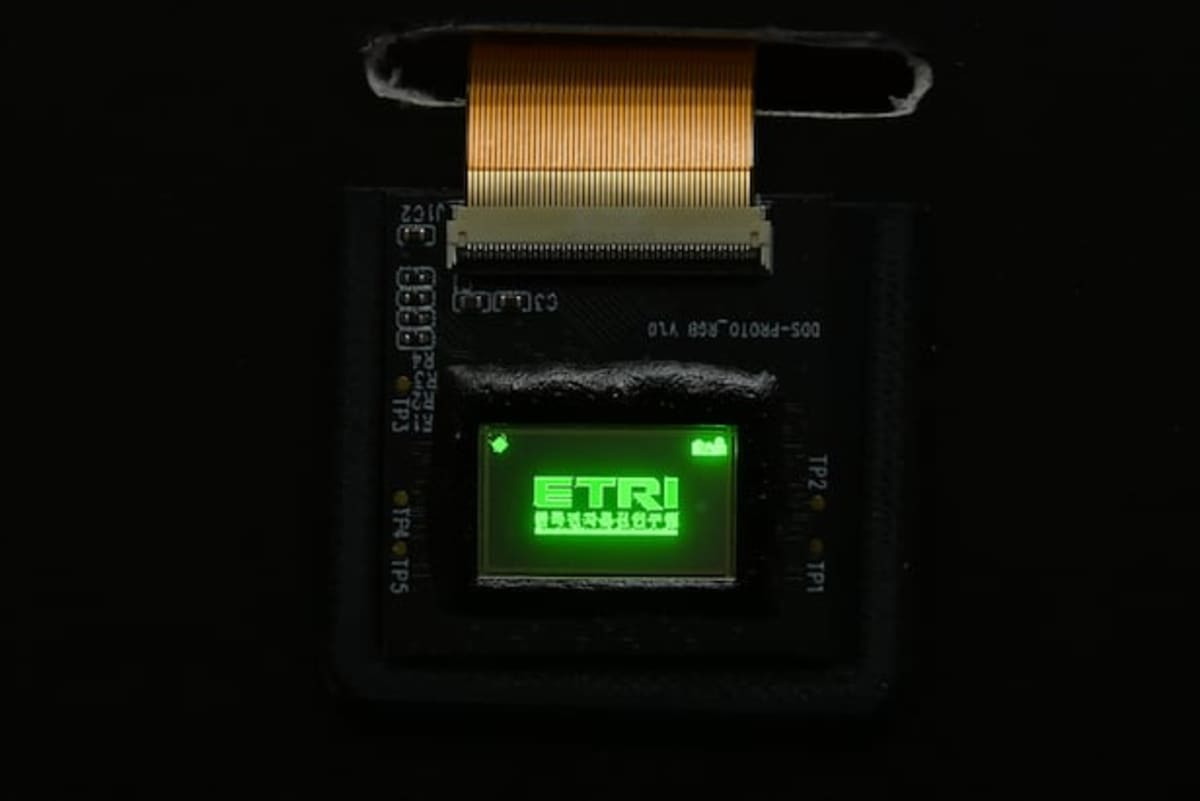
Scientists at South Korea's Electronics and Telecommunications Research Institute (ETRI) just achieved something the tech world has been chasing for years: a way to pack 2,500 pixels into every inch of a tiny display without the process falling apart.
The team developed a new technology that precisely bonds microscopic LEDs onto silicon circuits, creating displays sharp enough to fool your eyes even when held inches from your face. That's exactly what future AR glasses and VR headsets need to feel real.
Here's why this matters: when you're wearing a device right up against your eyes, every pixel counts. Current technology struggles to fit enough pixels into such small spaces while keeping them bright and energy-efficient. ETRI's solution tackles all three challenges at once.
The secret weapon is a new material called SITRAB that the team developed in-house. Traditional methods of bonding these tiny components generated contaminants and caused materials to warp under high heat, leading to misalignment and wasted products. SITRAB works at room temperature and keeps everything clean, allowing the team to connect nearly 920,000 microscopic contact points in a single step without errors.
To put that precision in perspective, these connections are spaced just 10 micrometers apart. That's tighter spacing than the advanced HBM4 memory chips used in today's AI processors, which are already considered cutting-edge.
The breakthrough earned recognition at the Society for Information Display's Display Week 2026, where it won the People's Choice Award in the micro LED category. The research was also published in the journal Microsystems & Nanoengineering in May.
The Ripple Effect
South Korean companies are already moving to commercialize the technology. ETRI transferred the SITRAB material technology to a domestic materials corporation, and semiconductor manufacturers are testing the process equipment on their production lines right now.
The timing couldn't be better for South Korea's tech industry. As global demand grows for lightweight AR glasses that can overlay digital information on the real world and VR headsets that create immersive experiences, this homegrown technology positions Korean companies to lead the market.
ETRI isn't stopping here. The team plans to develop full-color displays, reduce power consumption even further, and scale up the technology for larger screens. They're also partnering with more Korean materials, equipment, and packaging companies to speed the path from laboratory to living room.
The next generation of extended reality devices just got a lot closer to reality.
More Images



Based on reporting by Google News - South Korea Breakthrough
This story was written by BrightWire based on verified news reports.
Spread the positivity!
Share this good news with someone who needs it