Korean Lab's Physics Breakthrough Becomes Global Standard
A physics discovery made in a Seoul lab has been elevated to an international reference standard, marking a rare moment where Korean-pioneered research is shaping an entire scientific field. The breakthrough proved that magnetism can exist in materials just one atom thick.
A question that stumped physicists for 73 years finally got its answer in a Korean laboratory, and now the whole world is using it as their guide.
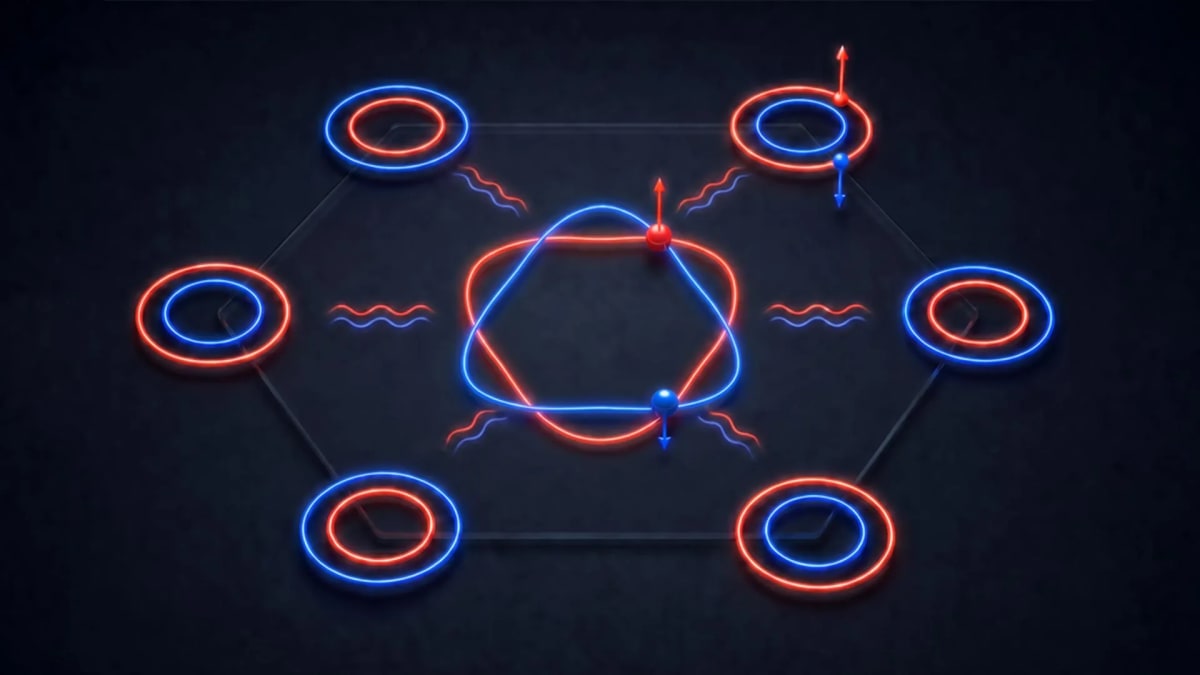
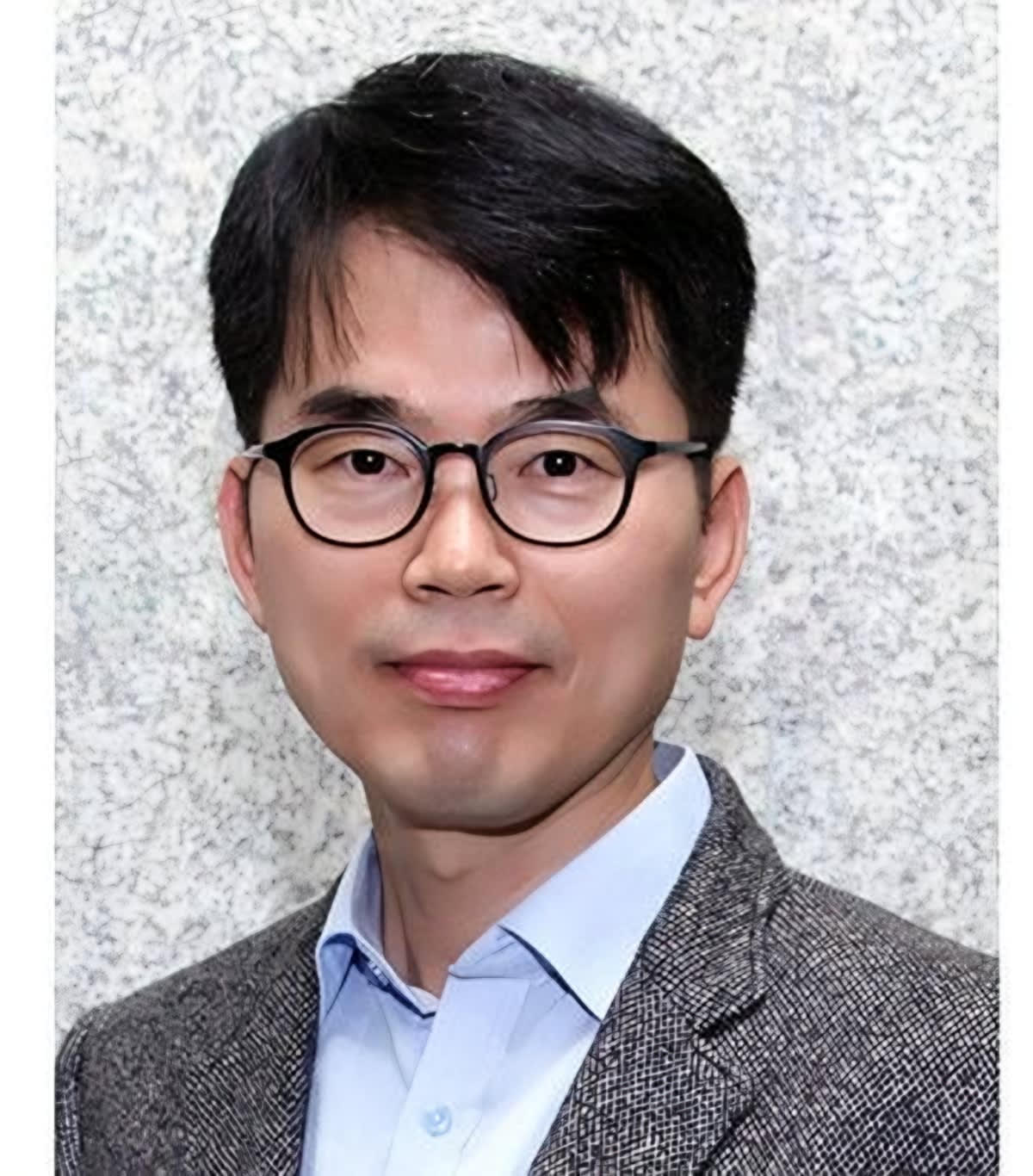
Professor Park Je-geun and his team at Seoul National University made history in 2016 when they proved something remarkable: magnetism can survive in materials only one atomic layer thick. The possibility was first imagined in 1943 by Nobel laureate Lars Onsager, but no one could prove it until Park's team succeeded with a layered iron phosphorus sulfide compound at minus 118 degrees Celsius.
Now, a decade after that breakthrough, the American Physical Society has published Park's comprehensive 88-page review in Reviews of Modern Physics. This is the most selective physics journal in the world, reserved for senior scientists whose work defines entire fields of study.
The recognition signals something bigger: what started as one Korean experiment has become a global research field. More than 1,000 papers are now published annually on two-dimensional magnetism, with major research institutions worldwide building on Park's foundation.
The discovery isn't just academically interesting. It's opening doors to practical applications in spintronics, a technology that uses electron spin for faster, more efficient microelectronics, and in quantum computing devices that could revolutionize how we process information.
The Ripple Effect
Park's breakthrough demonstrates how patient, fundamental research can transform entire scientific landscapes. His team spent over 15 years exploring a theoretical question that many had abandoned as unsolvable.
Their persistence created a new frontier that hundreds of research teams now explore daily. The work is especially significant for South Korea, as publication in Reviews of Modern Physics is exceptionally rare for Korean scientists.
The country's Ministry of Science and ICT has taken notice. Officials say they plan to maintain long-term investments in fundamental research, recognizing that today's basic science questions become tomorrow's technological breakthroughs.
Seven leading researchers from Korea and the United States co-authored the review, which compiles a decade of experimental findings and maps out the unresolved challenges that will guide global research for years ahead. The collaboration itself reflects how Park's initial discovery sparked international cooperation.
The journey from theoretical puzzle to global research standard shows what's possible when scientists tackle big questions without knowing where they'll lead.
Based on reporting by Google News - South Korea Breakthrough
This story was written by BrightWire based on verified news reports.
Spread the positivity!
Share this good news with someone who needs it