Korean Robots Help You Dress, Turn Salt Water Safe
Two Korean professors are creating tech that actually serves people who've been left behind: clothing that dresses people with disabilities and a solar device that makes dirty water drinkable. Their innovations ask a powerful question: What if breakthrough technology started with those who need it most?
For someone who cannot lift their arms to put on a jacket, the latest smartphone camera means nothing.
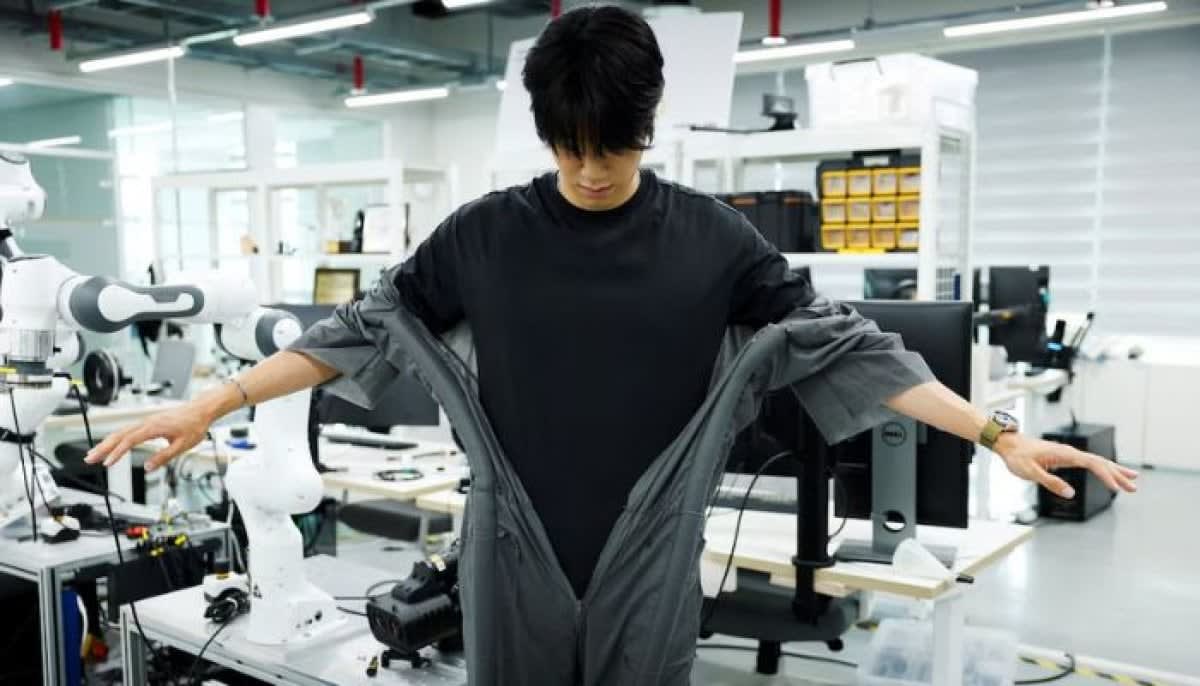
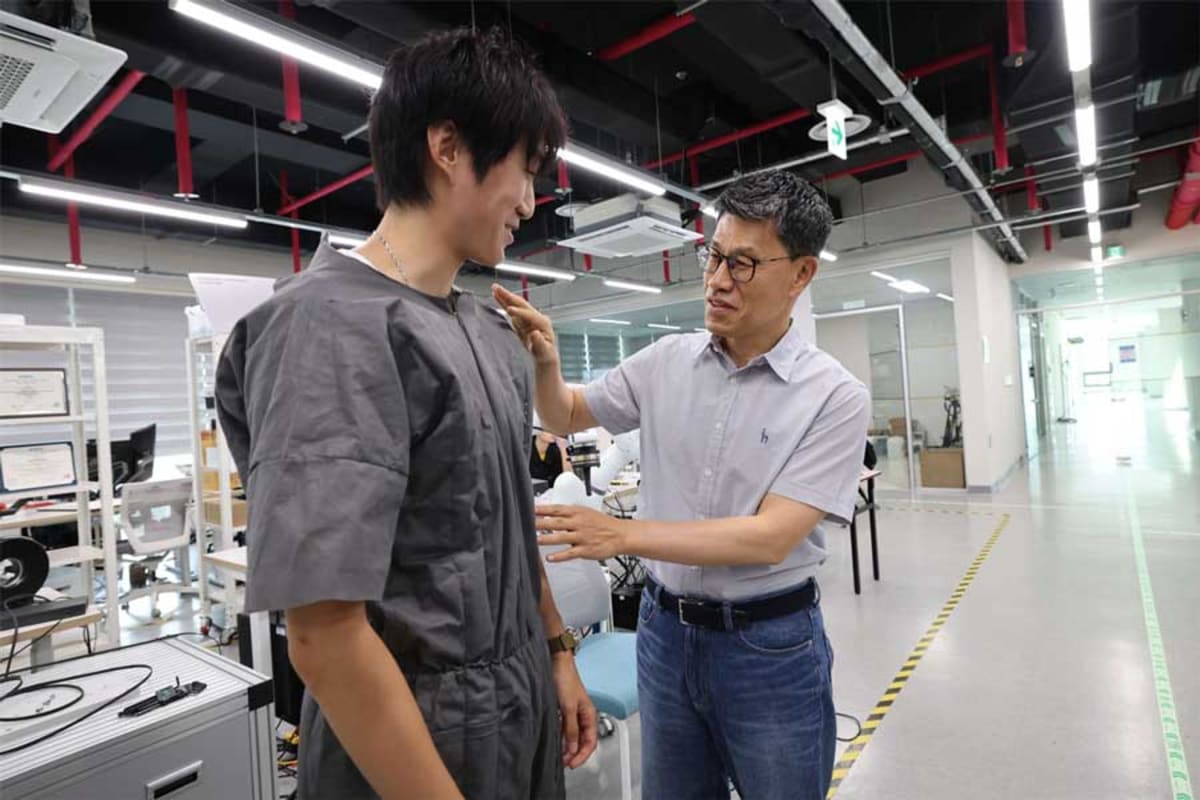
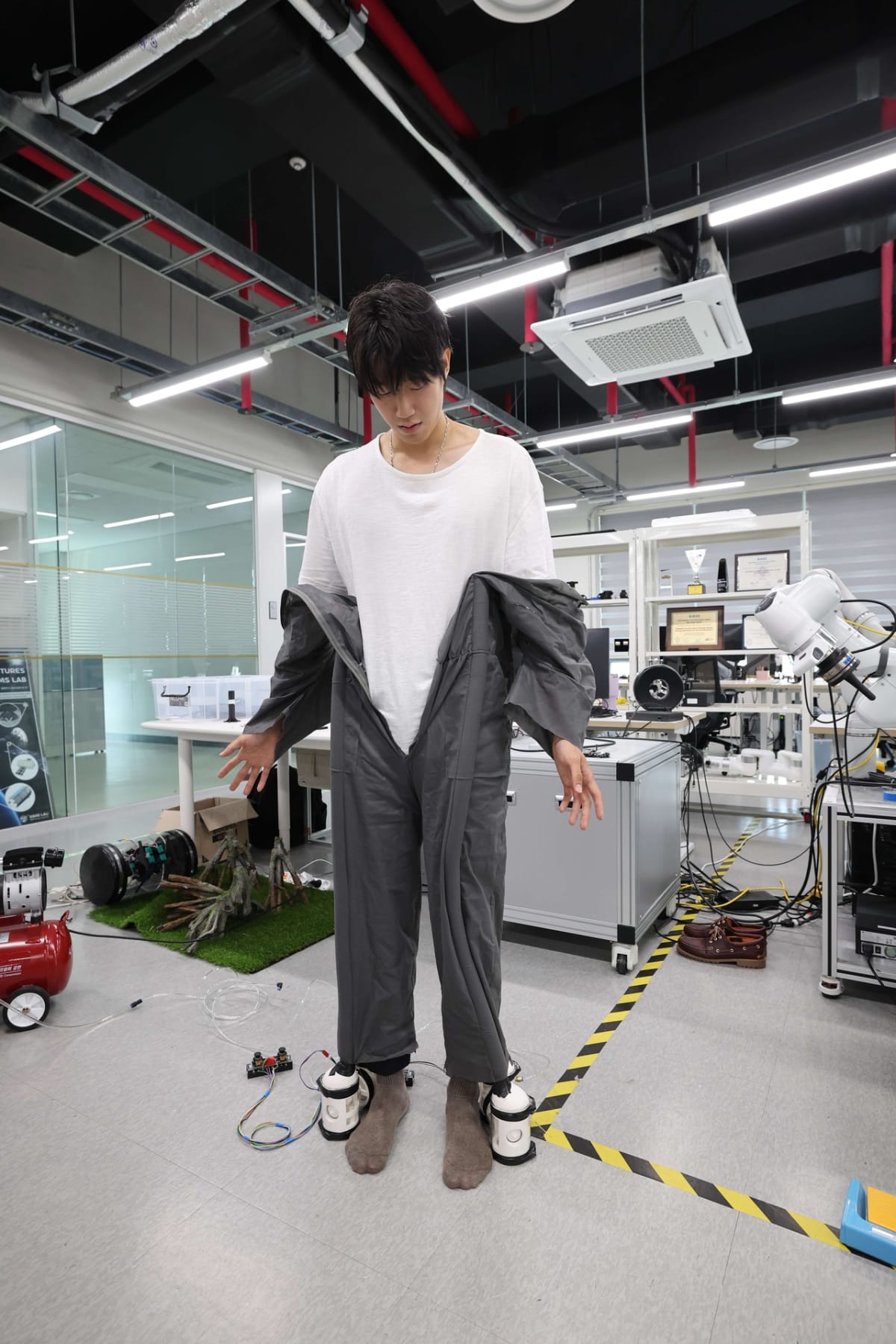
Professor Ryu Jee-hwan at Korea's Advanced Institute of Science and Technology created clothing that dresses itself. His team embedded air-filled structures directly into a gray jumpsuit that unfolds over the wearer's body when activated with a simple button press.
The breakthrough came from flipping the usual approach. Instead of robotic arms forcing people to position their bodies awkwardly, the garment adapts to however someone naturally holds their arm, bent or straight, long or short.
"If people have difficulty getting dressed, they have to receive help from someone else," Ryu explained. "Then they may not be able to live independently, and in some ways it can even affect their dignity."
His team's work won the 2025 IEEE Robotics Best Paper Award among roughly 1,700 submissions. But for Ryu, the recognition matters less than the principle behind it: choosing research that makes a real social impact rather than simply following what everyone else does.
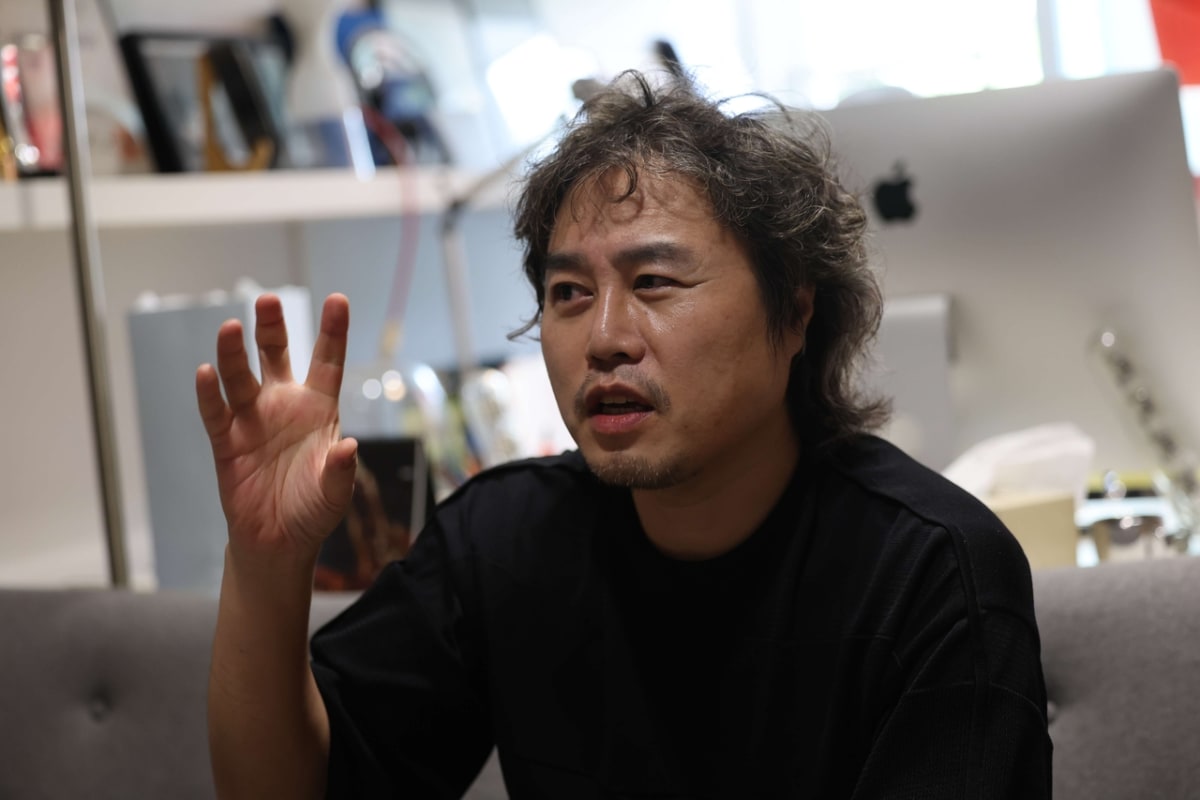
Across campus, Professor Bae Sang-min spent 18 years asking himself an uncomfortable question: Why was he designing prettier products for wealthy consumers while billions lacked clean water?
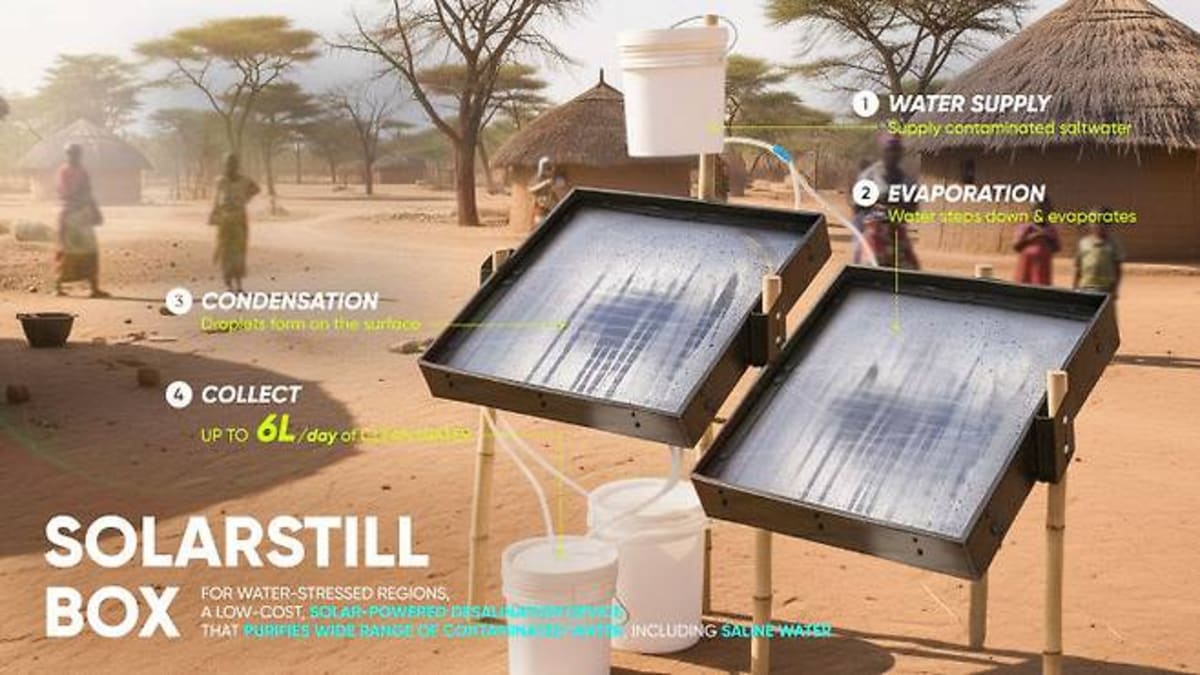
After years conducting fieldwork in African villages, Bae's team developed the SolarStill for communities like those near Tanzania's Lake Eyasi. The lake holds plenty of water, but it's too salty to drink.
His solar-powered device turns contaminated or saline water into safe drinking water without electricity, fuel, or replaceable filters. The design emerged only after Bae lived alongside communities long enough to understand their real needs, not what he assumed from the outside.
He recalled once designing what he thought was the perfect minimalist house for a village, only to find locals using a similar structure as a barn. "It was arrogance," he admitted.
The Ripple Effect
Both professors are rewriting the rules about who deserves innovation's best thinking. Their work challenges the tech industry's comfortable habit of making the already easy slightly easier while millions struggle with basic human needs.
Ryu's self-dressing garment could restore independence to elderly people and those with disabilities who currently rely on caregivers for something as fundamental as getting dressed each morning. Bae's water device addresses a crisis affecting communities sitting beside vast lakes they cannot drink from.
The real breakthrough isn't just in the clever engineering. It's in the question both professors are forcing the tech world to answer: What if we measured progress not by how advanced something looks, but by whose ordinary life it quietly transforms?
Their innovations prove that serving the margins doesn't mean settling for less sophisticated solutions. It means building technology smart enough to meet people exactly where they are.
More Images
Based on reporting by Regional: south korea technology (KR)
This story was written by BrightWire based on verified news reports.
Spread the positivity!
Share this good news with someone who needs it