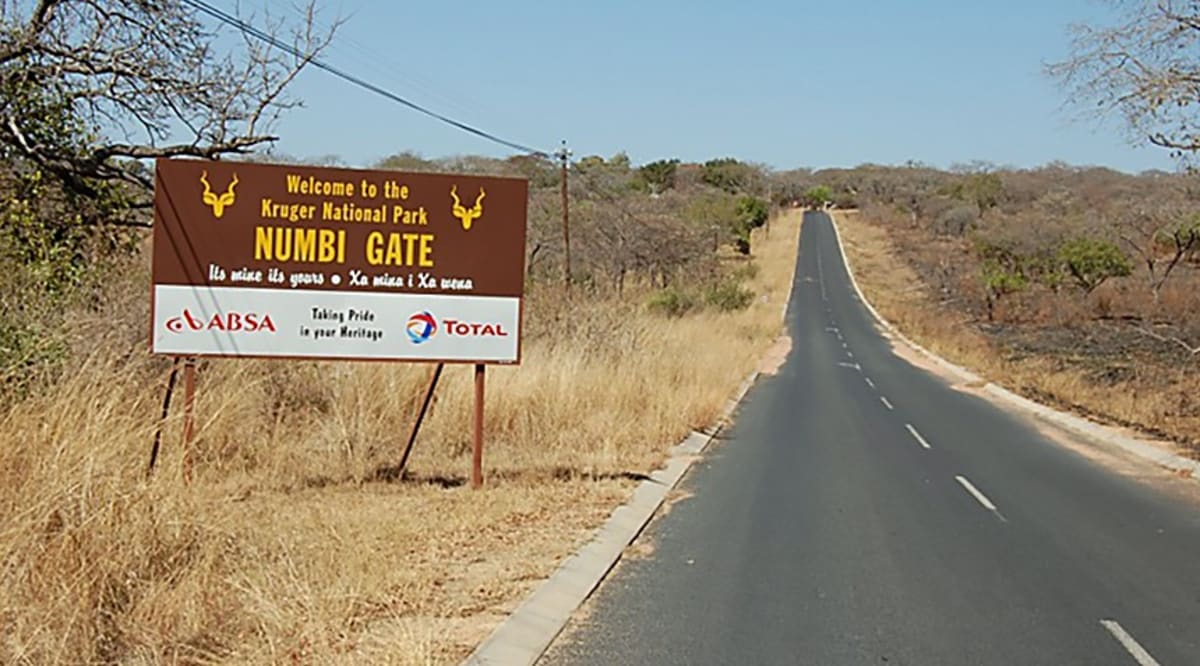
%2Ffile%2Fattachments%2Forphans%2FKrugergate_101231.jpg)
Kruger Park Poaching Sting Ends in Historic Conviction
Three former Kruger National Park employees who were supposed to protect rhinos have been convicted of poaching after a clever phone trap led police right to them. The landmark case sends a powerful message about accountability in wildlife conservation.
When rangers rushed to gunshots in Kruger National Park in 2021, the poachers had already vanished into the night. But they left behind something that would seal their fate: a cellphone next to a slain white rhino.
That single piece of evidence cracked open a case that would take five years to resolve. When investigators dialed the last number called from the abandoned phone, they reached Nyiko Gumede, a park employee whose job was literally to keep poachers out.
Police didn't arrest him immediately. Instead, they posed as buyers willing to return the stolen rhino horns for cash, setting up an elaborate sting operation.
The trap worked perfectly. On Friday, April 10, 2026, the Skukuza Regional Court convicted Gumede and two colleagues, Nomsa Ndlovu and Ludwick Mhlaba, of rhino poaching and conspiracy.
All three worked inside Kruger at the time of the crime. Gumede and Ndlovu manned entrance gates designed to stop poachers, while Mhlaba maintained park vehicles as a mechanic.
During the trial, the trio claimed colleagues had framed them. But Magistrate MJ Ngobeni ruled that theory impossible, noting that the arresting officer didn't even know who they were before the sting began.
The court heard a telling detail: after the horn handover, the accused drove past a police vehicle involved in the operation. If they were truly innocent, the magistrate noted, they would have stopped to report finding the horn.
Why This Inspires
This conviction represents more than justice for one rhino. It demonstrates that even insider threats can be overcome with smart detective work and persistence.
"Again and again, investigations uncover some degree of insider involvement," said Julian Rademeyer, author of Killing for Profit: Exposing the Illegal Rhino Horn Trade. "When the very people tasked with protecting wildlife are implicated, it strikes at the heart of conservation enforcement."
Monica Nyuswa of the National Prosecuting Authority emphasized what made this case so serious: "They were entrusted with the duty to safeguard and protect wildlife."
The case spent four years winding through courts, with repeated delays as the accused changed lawyers. Prosecutors stuck with it anyway, treating it as part of broader efforts to dismantle organized poaching networks.
Sentencing comes April 24. South African law prescribes a minimum 10-year prison sentence for killing a rhino, plus up to six more years for conspiracy.
The conviction sends an unmistakable warning to anyone working in conservation who might consider colluding with poaching syndicates: you will be caught, and you will face consequences.
More Images
%2Ffile%2Fattachments%2Forphans%2FAdvLotMgiba_279876.jpeg)
%2Ffile%2Fattachments%2Forphans%2FrodneyLandela_159142.jpg)
%2Ffile%2Fattachments%2Forphans%2FRodneyLandelaincourt_837233.jpeg)
Based on reporting by Daily Maverick
This story was written by BrightWire based on verified news reports.
Spread the positivity!
Share this good news with someone who needs it