%2Ffile%2Fattachments%2Forphans%2FPafuriwreckage-2_740142.jpg)
Kruger Park Staff Save Hundreds as Floods Hit Camps
When floodwaters swept through South Africa's iconic Kruger National Park in January 2024, camp managers faced impossible choices and stubborn tourists. Their quick thinking and courage saved everyone.
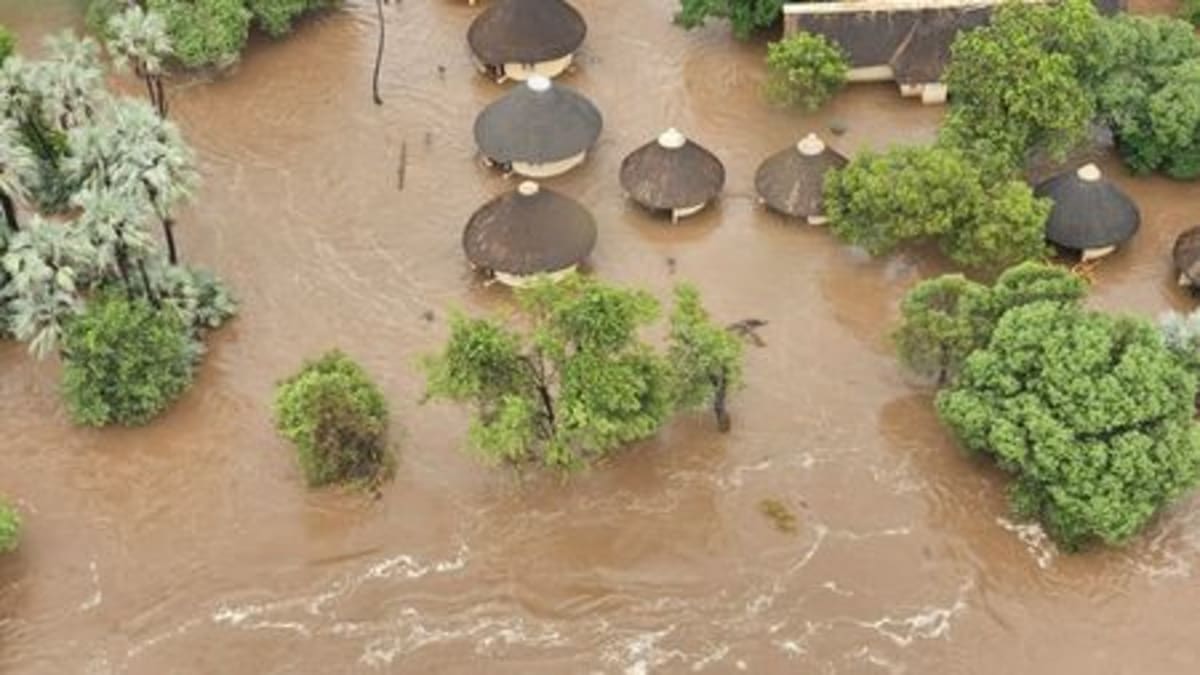
Mpho Mudau watched furniture float past like toys as the Letaba River broke its banks, turning a peaceful safari camp into an emergency evacuation zone. The hospitality manager had no time for politeness when tourists insisted they were safe on high ground.
"Pack your stuff, you have to get out," she told them, abandoning customer service scripts for blunt commands that saved lives. Around her, fridges bobbed through camp like makeshift boats while staff rushed between units, moving guests and vehicles toward safety.
The January 2024 floods hit Kruger National Park hard, causing R1 billion in damage across multiple camps. At Letaba, Mudau had watched the river climb its markers for three days before making the final call to evacuate everyone at 8am on the critical morning.
Her staff didn't hesitate, even as some received calls that their own homes and children faced rising waters. "We cannot differentiate between guests or staff members," Mudau said. "All people need to be safely out."
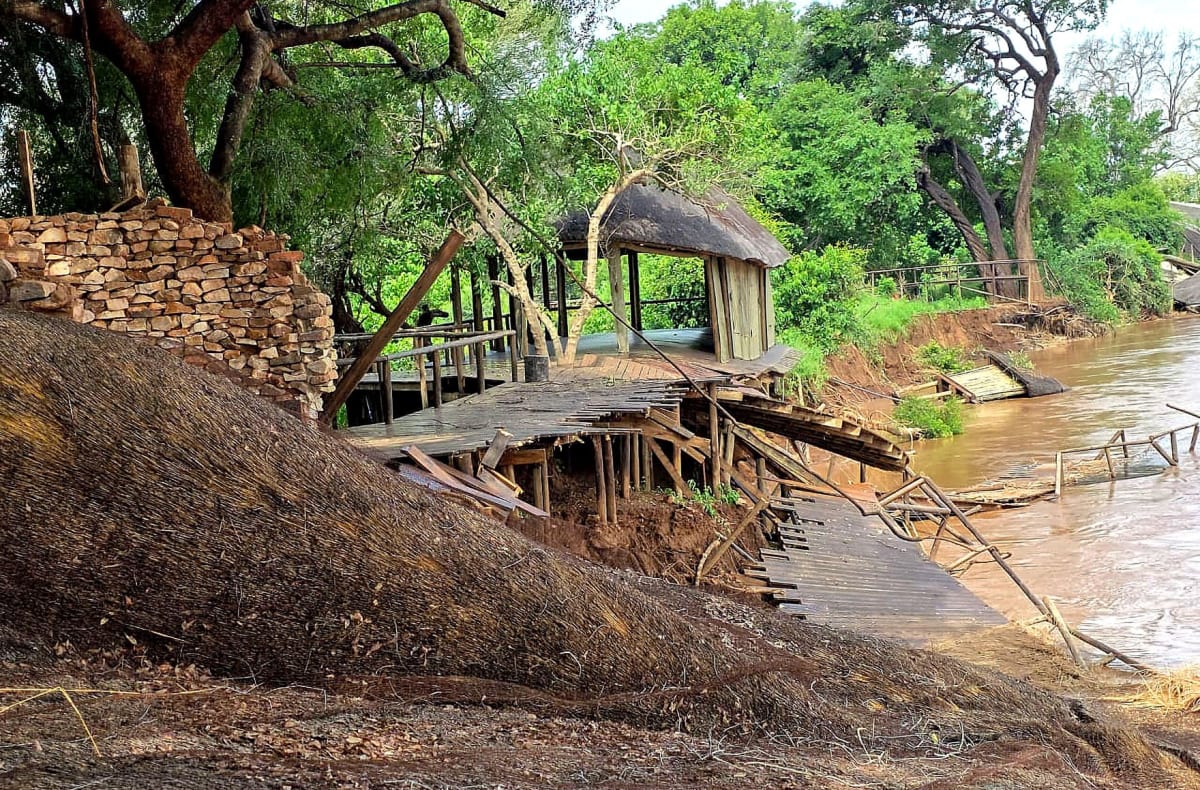
The water reached 1.5 metres inside units closest to the river, flooding five senior staff houses including Mudau's. The restaurant looked bombed out, and the river carved itself a new route closer to the camp fence.
North at Olifants Camp, general manager Lerato Khoza heard a different kind of terror. The river's roar carried to her home as tree trunks disappeared beneath brown water, only their upper branches showing above the surface.
Staff later spotted gas bottles washing downstream, probably torn from Balule Camp upstream where the flood won completely. Six huts, two ablution blocks, and kitchens sat submerged under 2.7 metres of water at Balule, with nearly a third of the camp fence flattened.
At Olifants, the river pump vanished and power failed. With no water for a camp 70% full of guests, Khoza coordinated another evacuation while ranger Susan Muroa relayed constant updates about which routes stayed open.
The hardest part wasn't the physical danger. It was the uncertainty of not knowing which bridge had gone under, which road remained passable, or how quickly a beautiful river could transform into something that showed no regard for buildings or bookings.
The Bright Side
What Mudau remembers most vividly isn't the loss. It's how her team moved together without hesitation, carrying luggage for guests who still wanted to bargain with nature, communicating constantly, and listening even under impossible pressure.
The camps are rebuilding stronger now, with better monitoring systems and emergency protocols shaped by hard lessons learned. Security staff now watch the Letaba River at night whenever rain persists, ready to act before the water does.
When the rivers came for Kruger, the waters took everything but what mattered most: not a single life was lost because camp managers chose courage over comfort and action over argument.
More Images


Based on reporting by Daily Maverick
This story was written by BrightWire based on verified news reports.
Spread the positivity!
Share this good news with someone who needs it
%2Ffile%2Fattachments%2Forphans%2FGFI-1_149708.jpg)