Kyoto Fusioneering Builds Fusion Fuel Device in Tennessee
A Japanese company is building a prototype device in Tennessee that could help make fusion power a reality by creating fresh fuel while harvesting energy. Multiple fusion startups will use the research to design their own reactors.
Getting fusion power to work isn't just about building better reactors. It's about solving the hundreds of technical challenges that turn a scientific breakthrough into electricity flowing through power lines.
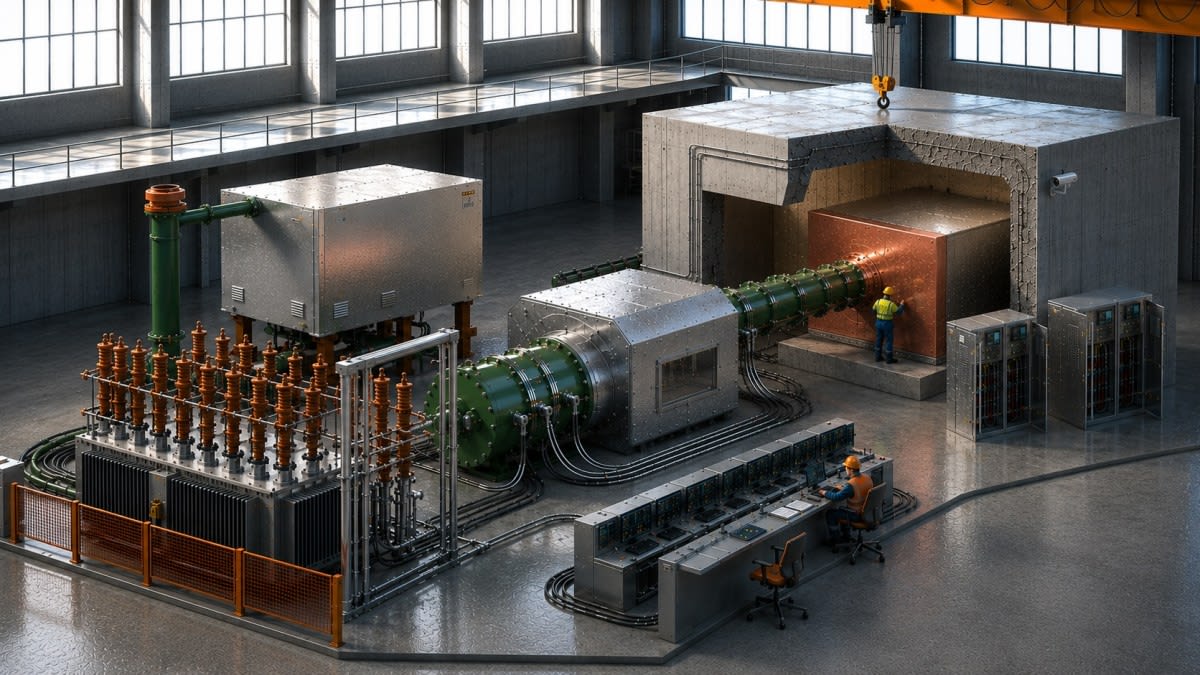
Kyoto Fusioneering just took a major step forward by breaking ground on Unity-3, a prototype device at Oak Ridge National Laboratory in Tennessee. The Japan-based company secured grants from the U.S. Department of Energy and Tennessee to build equipment that tackles one of fusion's trickiest problems: how to keep reactors fueled.
The device tests something called a breeding blanket, which does two jobs at once. It captures energy from the fusion reaction while simultaneously creating fresh fuel to keep the reactor running.
Here's how it works. Liquid lithium absorbs both heat and neutrons from the fusion reaction. When neutrons hit the lithium atoms, they split into helium and tritium, a hydrogen isotope that many reactor designs need as fuel. The tritium gets recycled back into the reactor while the heat generates electricity.
Unity-3 will test various breeding blanket materials beyond liquid lithium to see which perform best. The data will help fusion startups move beyond computer models and validate their designs with real-world results.
Kyoto Fusioneering is moving its U.S. headquarters to Oak Ridge to support the project. The company has raised $121 million and emerged as a key player in the fusion supply chain, developing not just breeding blankets but also systems to heat fusion fuel, recycle exhaust, and harvest energy.
The Ripple Effect
At least four fusion startups, including Realta Fusion, Thea Energy, Type One Energy, and Xcimer Energy, plan to use Unity-3's experimental data to design their reactors. Over half of all fusion startups surveyed said they plan to work with outside suppliers like Kyoto Fusioneering rather than building everything themselves.
That collaborative approach could speed up fusion's arrival on the power grid. Instead of every company solving the same problems independently, specialists like Kyoto Fusioneering handle the complex fuel cycle technology while reactor companies focus on their core designs.
Building a fusion power plant requires heat-resistant materials, specialized pumps, and countless custom components. Kyoto Fusioneering is tackling these unglamorous but essential challenges while the reactor companies chase the spotlight.
The path to clean, virtually limitless fusion energy runs through breakthroughs both big and small, and Unity-3 represents one more crucial piece falling into place.
More Images


Based on reporting by TechCrunch
This story was written by BrightWire based on verified news reports.
Spread the positivity!
Share this good news with someone who needs it