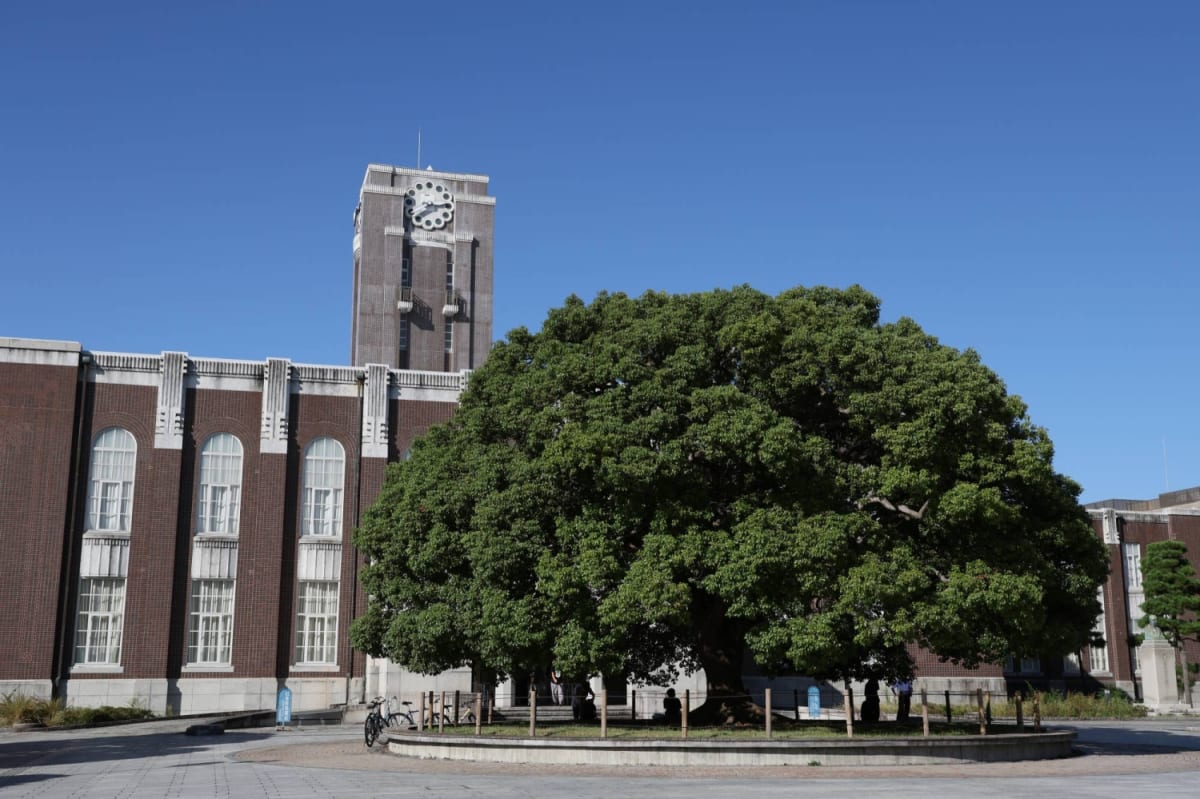
Kyoto University Wins $620M in World-Class Research Funding
Japan's prestigious Kyoto University will receive major government funding to become a global research powerhouse, joining an elite group transforming how the country competes in scientific innovation. The investment could reshape academic research across Asia.
Japan just made a massive bet on its academic future, and Kyoto University is about to become $620 million richer because of it.
The historic institution will become the third university certified for a groundbreaking Japanese government program that supports schools capable of producing world-class research. Education Minister Yohei Matsumoto expects to officially certify Kyoto by summer's end, unlocking access to a $62.2 billion national fund.
Kyoto will receive roughly $124 million in its first year alone. After that, the university can tap into annual subsidies of about $62 million for up to 25 years, provided it meets the government's ambitious standards.
The funding comes with strings attached, but they're the kind that could revolutionize how Japanese universities operate. Kyoto plans to replace its traditional system of small, independent research units with a more collaborative, department-based approach that encourages scientists to work together across disciplines.
This isn't just about one university getting a financial boost. Kyoto joins Tohoku University and the Institute of Science Tokyo in an exclusive club designed to help Japan compete with top research institutions in the United States, Europe, and China.
Minister Matsumoto put it plainly at a news conference: "We strongly expect Kyoto University to establish a model for dramatic growth and become a research university that leads even top-tier universities in other countries."
The timing matters. Countries worldwide are racing to dominate emerging fields like artificial intelligence, quantum computing, and biotechnology. Japan's massive investment signals it refuses to fall behind in the global knowledge economy.
The Ripple Effect
The transformation at Kyoto could spark changes far beyond its campus in western Japan. When prestigious universities shift how they organize research, others often follow their lead.
The more open, collaborative model Kyoto is adopting could accelerate discoveries by breaking down the silos that sometimes slow scientific progress. Graduate students and early-career researchers will gain exposure to diverse perspectives and methods they might never encounter in isolated labs.
Other Japanese universities are watching closely too. The University of Tokyo remains under consideration for the program, with a decision expected by year's end. The government will then decide whether to open a third round of applications, potentially expanding this academic transformation across the country.
For a nation that has produced 29 Nobel Prize winners but sometimes struggles to translate research into commercial innovation, this program represents a bold new strategy. By concentrating resources on universities committed to structural reform, Japan is betting it can punch above its weight on the world stage.
The message is clear: Japanese universities can compete with anyone, anywhere, if given the right support and pushed to modernize. Kyoto University is about to show the world what's possible.
More Images

Based on reporting by Japan Times
This story was written by BrightWire based on verified news reports.
Spread the positivity!
Share this good news with someone who needs it