LA Neighbors Learn to Share Backyards With Wild Bears
Thousands of black bears now call the forests around Los Angeles home, leading residents to find creative ways to coexist peacefully. From bear-proofing trash cans to sharing swimming pools, Angelenos are proving humans and wildlife can be good neighbors.
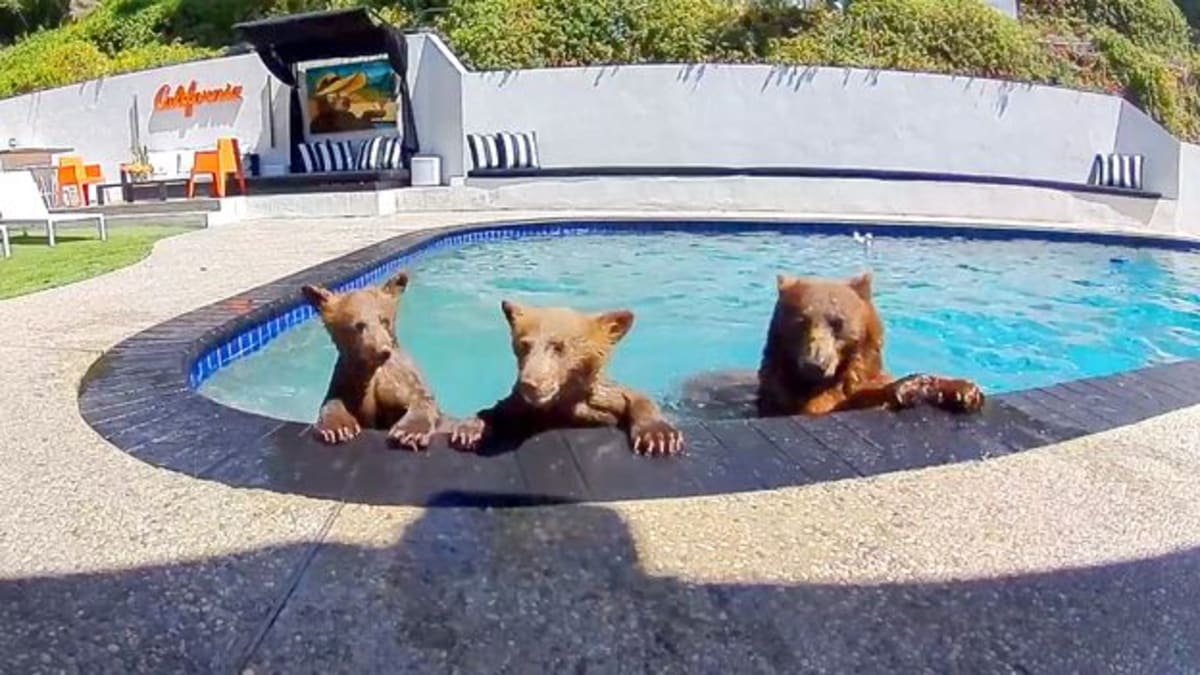
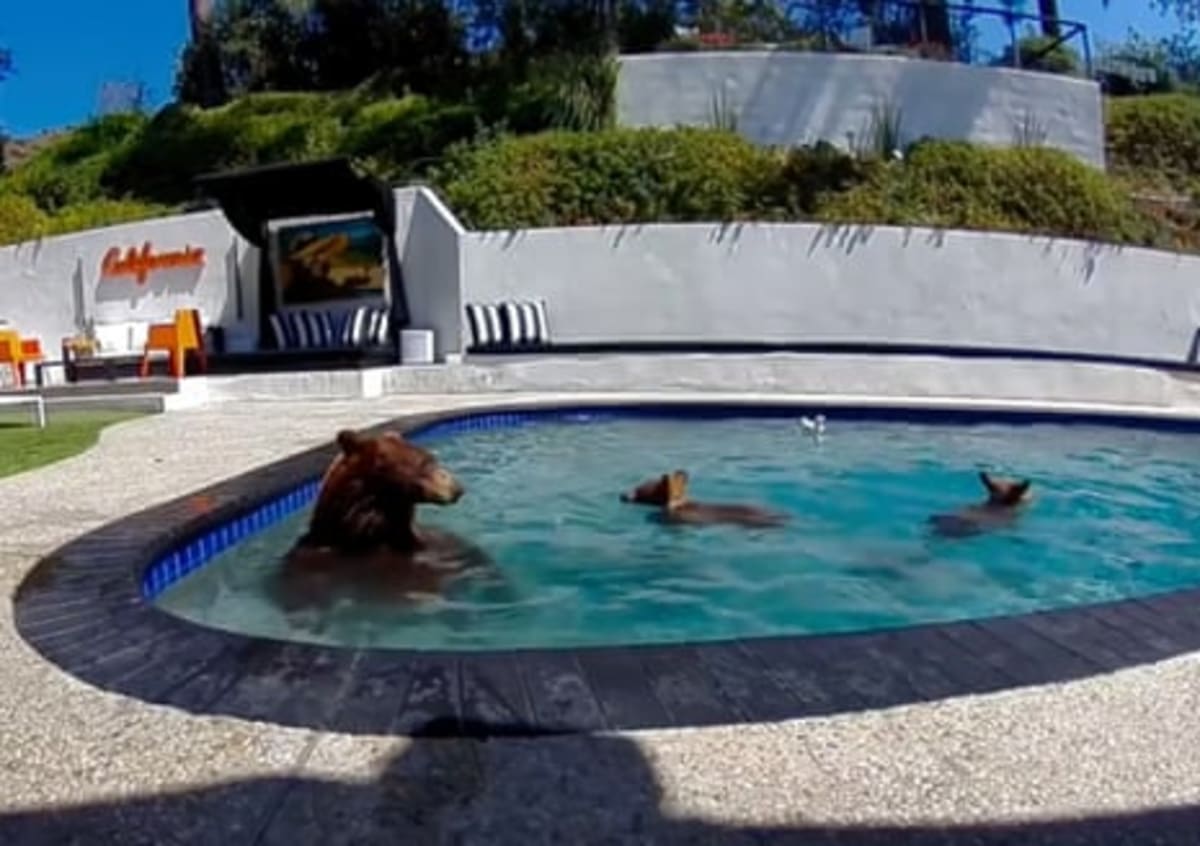
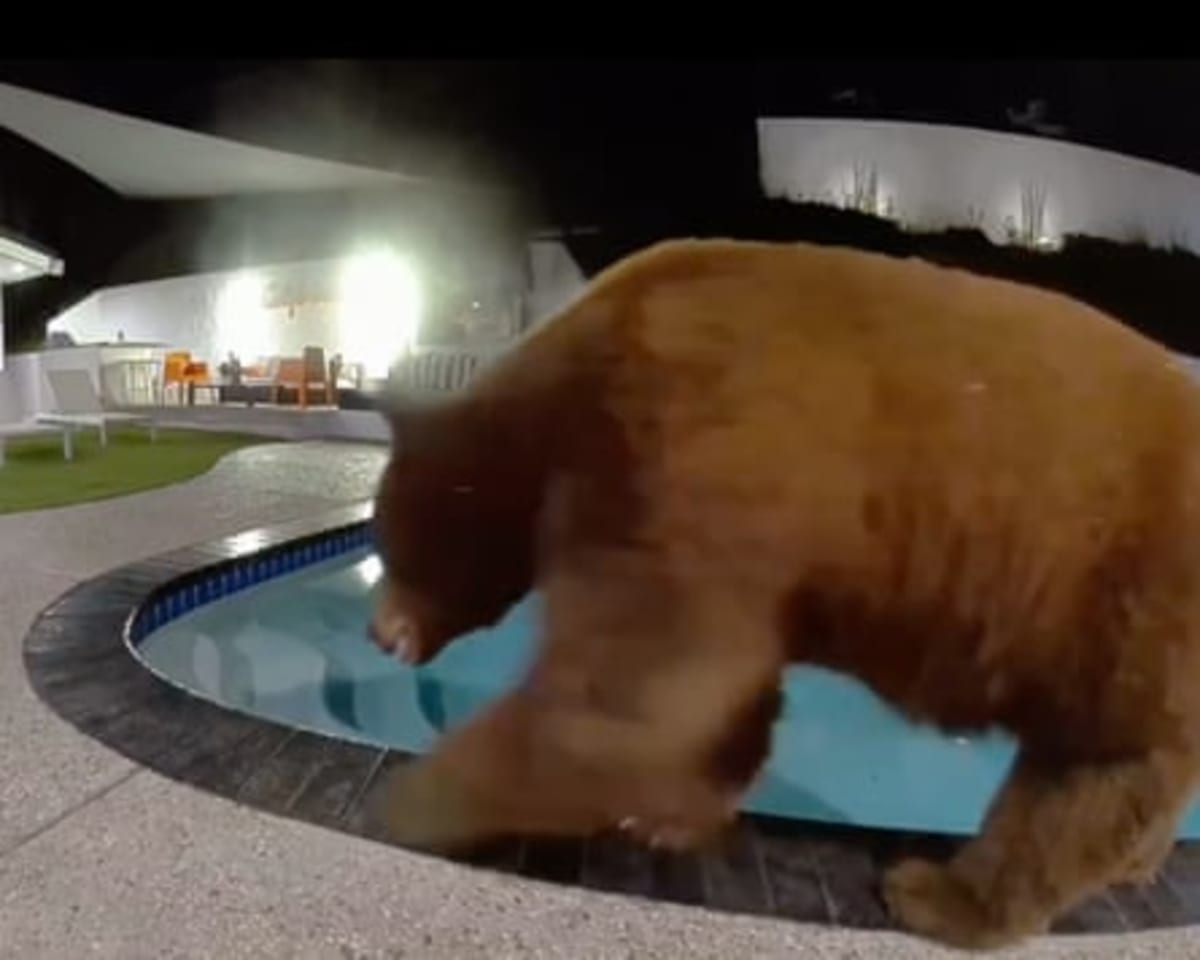
Brian Gordon moved to Monrovia, California, four years ago and immediately gained some unexpected houseguests: a family of black bears who loved using his pool.
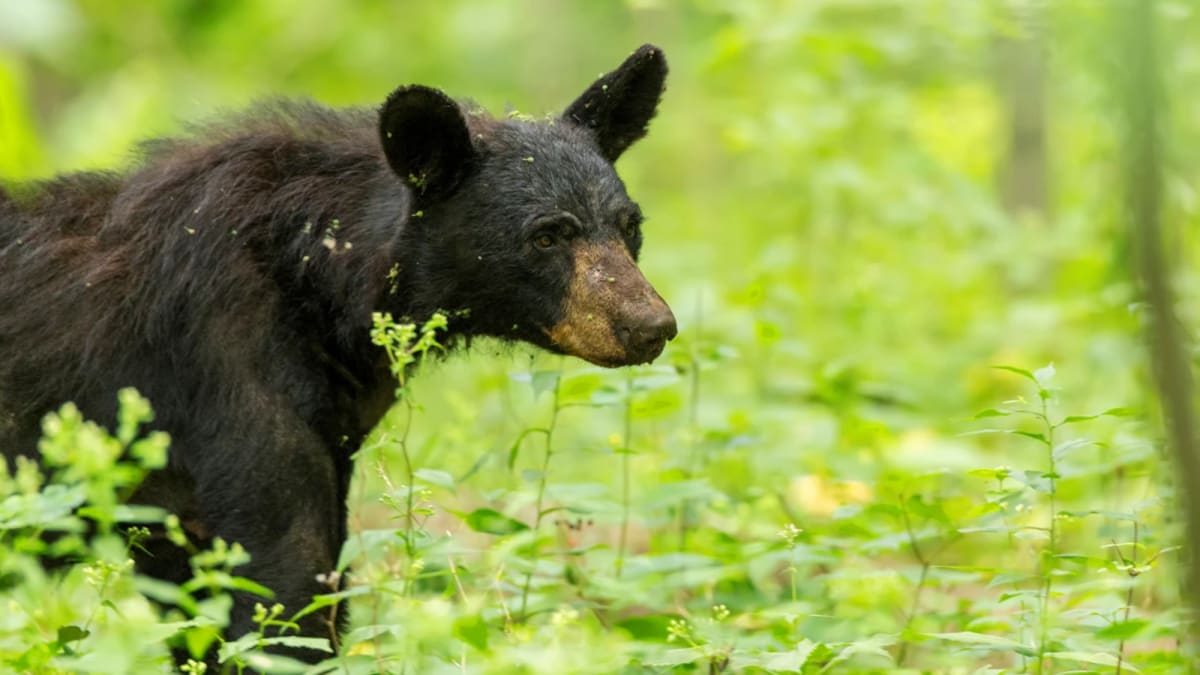
His house sits at the edge of Angeles National Forest, just north of Los Angeles, where up to 70,000 black bears now roam California. A few hundred of those bears live in the forest neighboring millions of LA residents, creating daily opportunities for interaction.
Gordon and his partner document their furry visitors on Instagram through an account called PoolBearLife. Videos show bear cubs bubbling their snouts in the water, tumbling from trees, and generally causing adorable mayhem in their backyard.
"I actually thought people get eaten by bears a lot," Gordon admits. "But after we bought the house, I realized I have an unnatural fear of these animals and we've kind of adapted to living around them."
The adaptation goes both ways. Wilson Sherman, a UCLA PhD student studying human-wildlife interaction, explains that bear encounters have increased since the 1990s as communities expand into wilderness areas. Black bears are incredibly versatile omnivores who can eat everything humans can, making our neighborhoods tempting territory.
The secret to peaceful coexistence is making homes less attractive to bears. Gordon keeps trash cans clean, removes food temptations, and gives the animals space despite filming their visits.
Why This Inspires
What's remarkable isn't just that bears and humans are crossing paths more often. It's that residents like Gordon are choosing education and adaptation over fear.
Pet food, fruit trees, koi ponds, and swimming pools naturally attract bears, especially during late summer and fall. That's when bears enter hyperphagia, a hungry period before hibernation where they pack on calories. A half-eaten pizza provides far more energy than buckets of acorns and ants.
Alex Heeran, a research scientist at California's Department of Fish and Wildlife, notes that 2026 is on track to be a record year for reported bear encounters. Most interactions peak around Labor Day when both bears and humans are out enjoying the final days of summer.
Climate change plays a role too. Warmer summers alter natural food availability, forcing bears to expand their ranges. Major wildfires like the 2025 Eaton and Palisades fires destroyed natural food sources, prompting bears to search neighborhoods instead.
The key is prevention. When communities take steps to minimize contact by securing food sources and maintaining clean yards, bears simply pass through like the backyard is an extension of the forest. In fact, Sherman says bears that successfully forage near humans tend to reproduce more often due to food availability.
Wildlife officials work hard to prevent conflicts from escalating, though occasionally a bear must be relocated or euthanized when situations become dangerous. These cases remain rare when communities commit to coexistence practices.
As September ends each year, bear encounters naturally thin out for the season. But the lessons from places like Monrovia show that humans and wildlife can share space successfully when both sides adapt.
Gordon puts it simply: "We're city boys who bought a house that happened to have bears."
More Images


Based on reporting by Guardian Environment
This story was written by BrightWire based on verified news reports.
Spread the positivity!
Share this good news with someone who needs it