Lab Creates Cancer-Fighting Cells Inside the Body in Mice
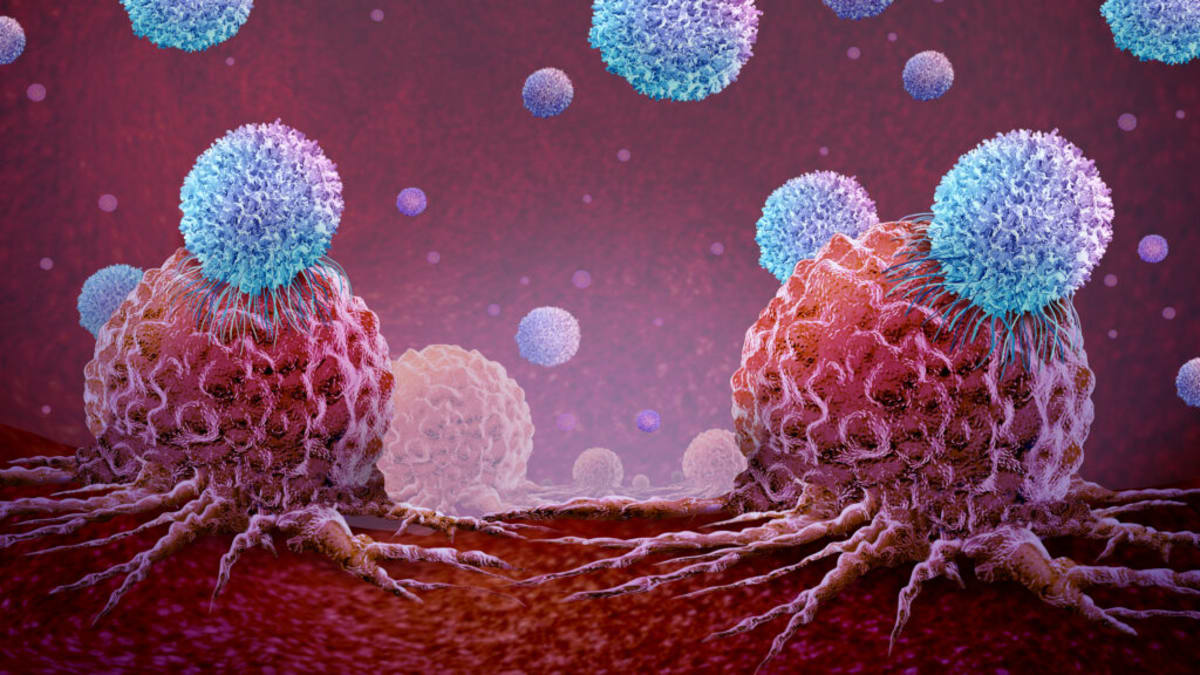
Scientists just cleared tumors in mice by creating cancer-fighting cells directly inside their bodies, skipping the costly lab process. This breakthrough could make one of medicine's most powerful cancer treatments faster and more accessible.
Scientists from Azalea Therapeutics just proved they can engineer cancer-fighting cells inside living mice, potentially transforming how we treat cancer in humans.
The breakthrough centers on CAR-T therapy, one of oncology's most powerful tools against cancer. Right now, making these engineered immune cells requires extracting a patient's cells, manipulating them in a lab for weeks, then infusing them back into the body at costs exceeding $400,000.
Azalea's team, working from Nobel laureate Jennifer Doudna's lab at UC Berkeley, tried something different. They injected gene-editing particles directly into mice and successfully created CAR-T cells inside the animals' bodies.
The results, published Wednesday in Nature, showed these internally created cells cleared both blood cancers and solid tumors in mice. That's a major step forward because solid tumors have been notoriously difficult for CAR-T therapy to tackle.
Senior author Justin Eyquem from UC San Francisco highlighted what makes this approach special. Their method precisely targets the right cells and edits the exact right spot in their genomes, practically eliminating the risk of accidentally editing the wrong cell or wrong genetic location.
Those risks aren't theoretical. Editing the wrong cells or genome locations could cause serious harm to patients, making precision absolutely critical for any human treatment.
The Ripple Effect
This advance could make CAR-T therapy accessible to thousands more cancer patients. The current process requires specialized facilities, weeks of waiting, and life-altering expenses that keep the treatment out of reach for most people.
Creating these cells directly inside patients could slash costs, eliminate manufacturing delays, and allow treatment at more hospitals. Patients wouldn't need to wait weeks while their cells are processed in distant labs, and doctors could respond faster to aggressive cancers.
Azalea isn't alone in pursuing in vivo CAR-T therapy, but their precision approach addresses one of the field's biggest safety concerns. Multiple companies racing toward this goal suggests the scientific community believes this direction holds real promise.
The path from mouse studies to human treatments typically takes years of additional research and clinical trials. But clearing tumors in mice represents crucial proof that the concept works in living bodies, not just laboratory dishes.
Cancer patients might soon receive a simple infusion that transforms their own immune systems into tumor-fighting machines, all without leaving the hospital.
More Images



Based on reporting by STAT News
This story was written by BrightWire based on verified news reports.
Spread the positivity!
Share this good news with someone who needs it