Lab-Grown Brain Cells Power New Data Centers in Singapore
Scientists are building data centers powered by human neurons that use less energy than a calculator. The breakthrough could help solve AI's growing electricity problem.
Imagine a data center that runs on living brain cells and uses less power than the device in your pocket.
Australian startup Cortical Labs just opened its first biological computing facility in Melbourne and is building another in Singapore. Instead of traditional processors, these centers use lab-grown human neurons to handle computing tasks.
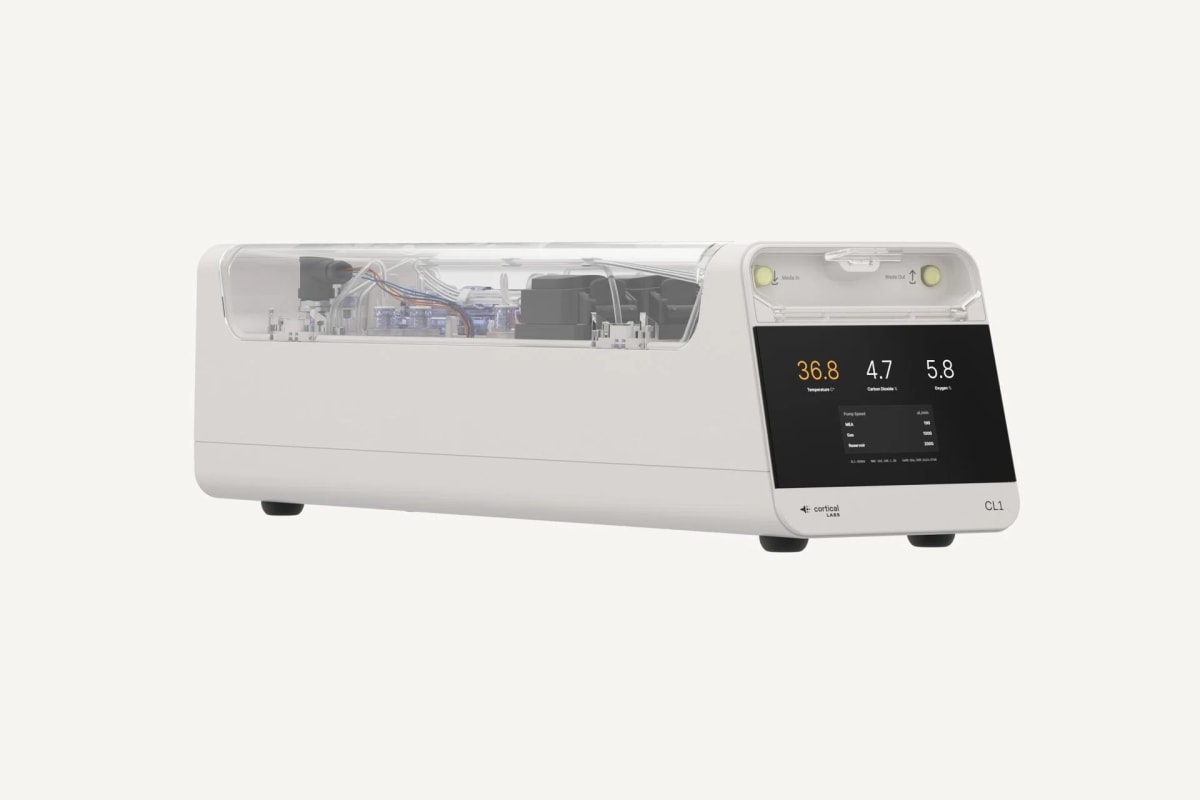
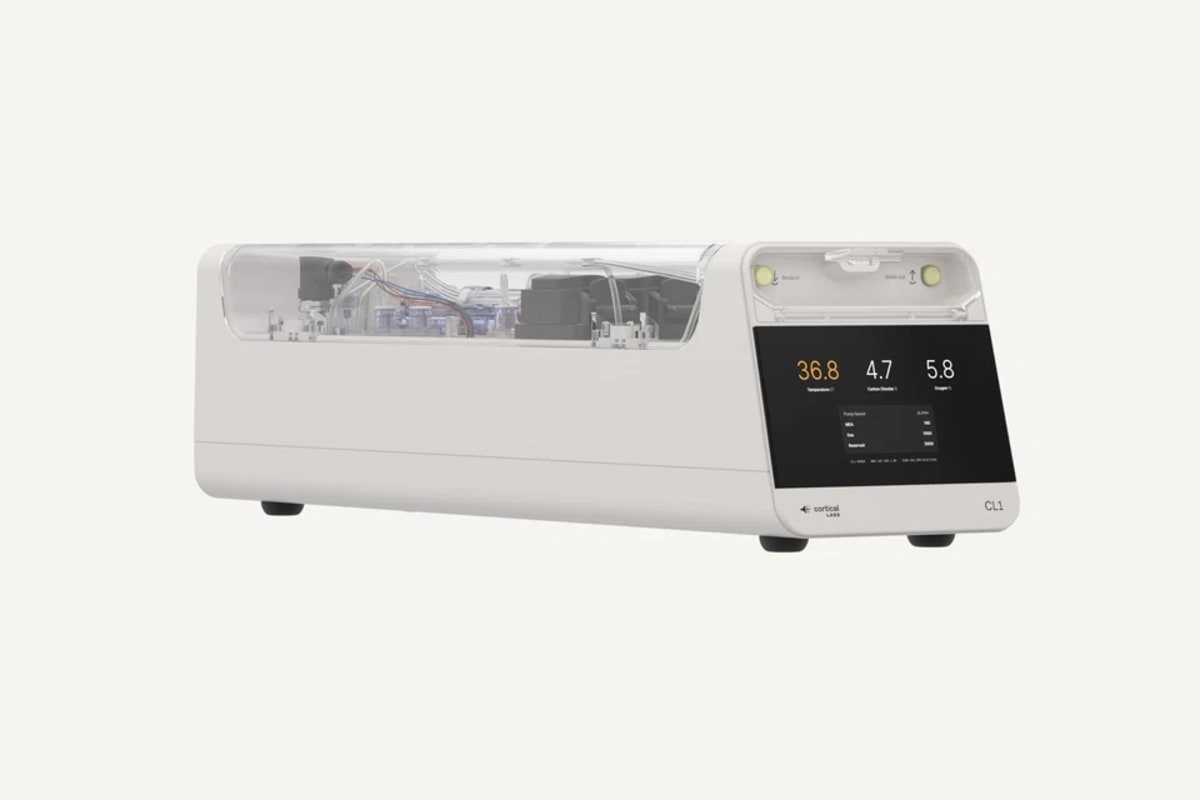
The technology sounds like science fiction, but it's already showing real promise. The same brain cells that learned to play the classic game Pong have now mastered the much more complex game Doom. Each biological computing unit, called a CL1, draws less electricity than a handheld calculator.
The timing couldn't be better. AI data centers are consuming massive amounts of electricity worldwide, creating environmental concerns and chip shortages. Traditional processors generate significant heat and demand constant cooling, but biological neurons operate naturally at room temperature with minimal energy.
Here's how it works: scientists grow neurons from stem cells and place them on special chips. These chips send electrical signals to the brain cells and record their responses. Software then interprets these responses as computing output, similar to how our brains process information.
The Bright Side
The Melbourne facility will start with 120 CL1 units. The Singapore location, partnering with DayOne Data Centers and the National University of Singapore, plans to deploy up to 1,000 units in phases. The neurons themselves come from converted human blood cells, making them relatively accessible.
While this technology won't replace Nvidia chips tomorrow, it represents a genuine alternative path forward. As AI computing demands continue growing, biological solutions could help balance our need for processing power with environmental responsibility.
Cortical Labs founder Hon Weng Chong emphasizes that the computing capacity remains modest compared to conventional systems. But the energy efficiency gains are remarkable. Traditional AI processors can draw hundreds of watts, while these biological units sip power like digital watches.
The Singapore deployment at Yong Loo Lin School of Medicine will provide researchers direct access to test medical and scientific applications. Brain-based computing could excel at pattern recognition tasks that mirror how biological systems naturally process information.
This breakthrough shows how looking to nature can solve our most pressing technological challenges while actually reducing our environmental footprint.
More Images
Based on reporting by Google News - Singapore Technology
This story was written by BrightWire based on verified news reports.
Spread the positivity!
Share this good news with someone who needs it