Lab-Grown Brain Organoids Survive 5+ Years at Harvard
Scientists at Harvard have kept miniature lab-grown brains alive for over five years, watching them mature like real human brains. This breakthrough could revolutionize how we study brain development and neurological diseases.
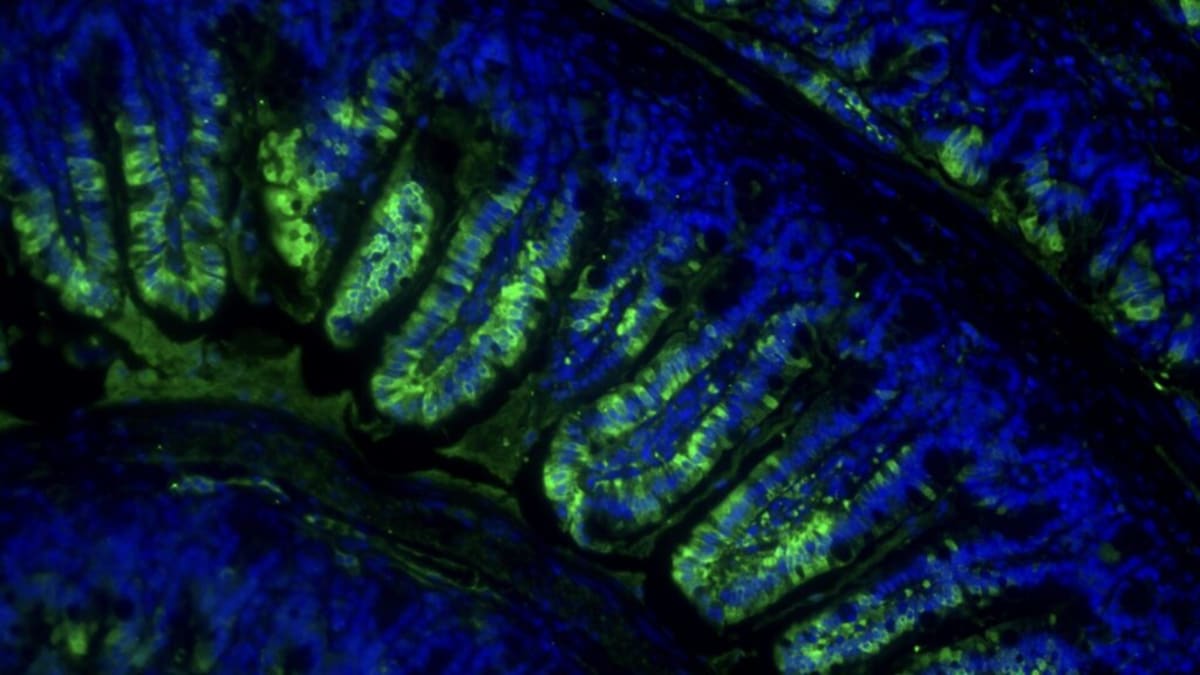
When a young scientist nervously asked her Harvard professor if she wanted to see images of the old brain organoids, she had no idea she was about to reveal a scientific milestone. Irene Faravelli had analyzed tiny lab-grown brains that had been kept alive for more than five years, and they looked remarkably mature.
Paola Arlotta, a developmental neurobiologist at Harvard, was thrilled with what Faravelli showed her. The brain organoids, miniature 3D structures grown from stem cells, had developed in ways that mirrored real human brain maturation over time.
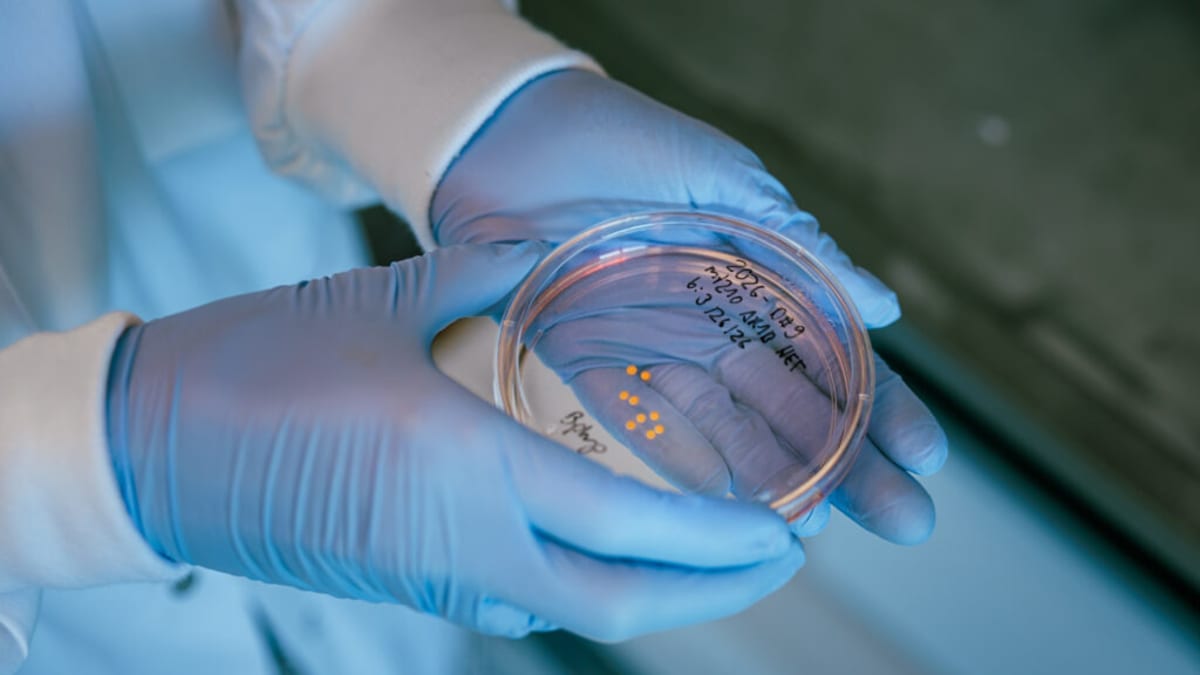
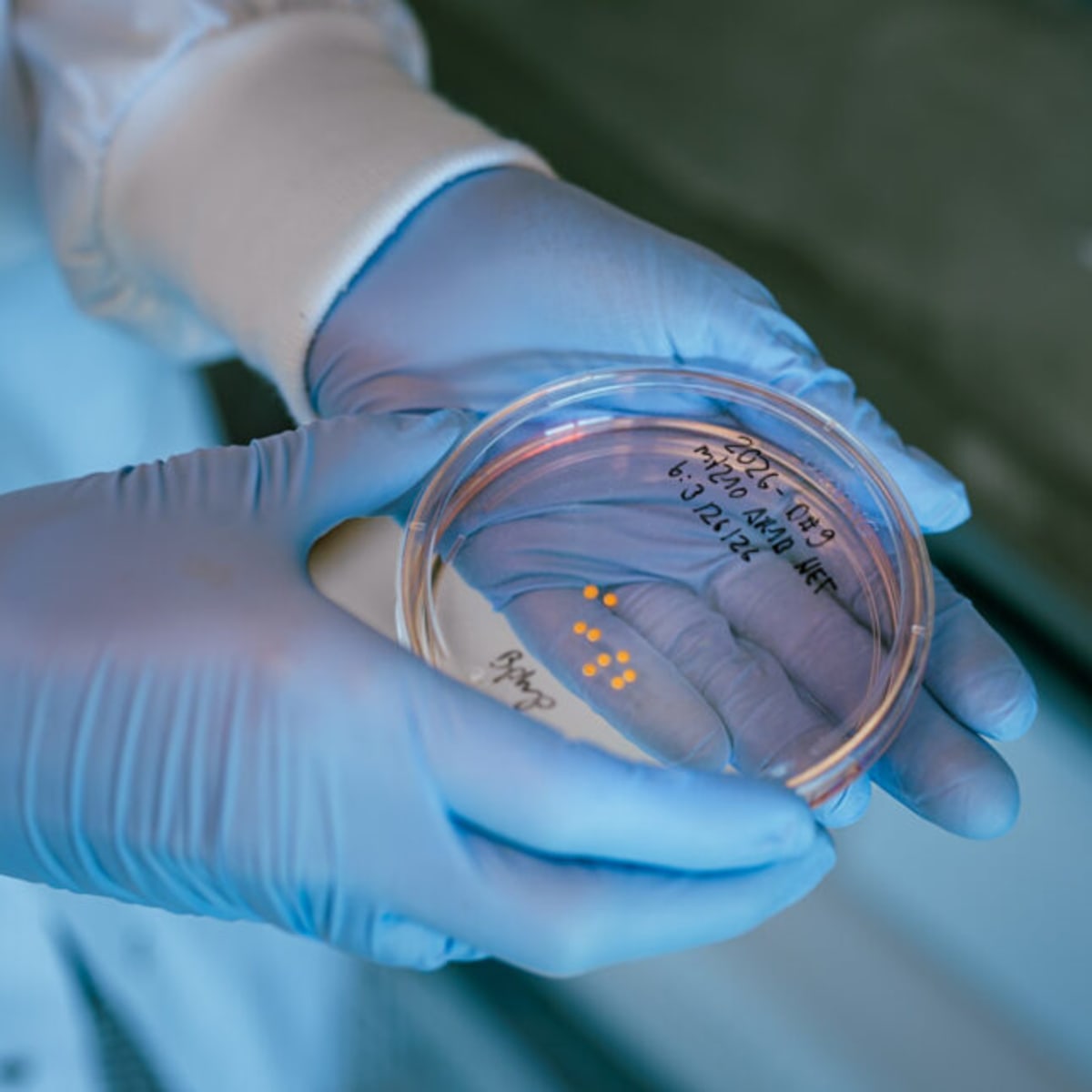
Brain organoids are essentially tiny, simplified versions of human brains grown in lab dishes. Scientists use them to study brain development, test treatments, and understand neurological diseases without experimenting on actual human brains.
The five-year survival milestone matters because human brains take years to develop and mature. Most organoid research involves much shorter timeframes, limiting what scientists can learn about long-term brain development and age-related conditions.
Faravelli's courage to analyze the aging organoids paid off in unexpected ways. The images revealed developmental patterns that researchers can now study to better understand conditions like Alzheimer's, Parkinson's, and autism that unfold over many years.
Why This Inspires
This discovery opens doors that seemed locked just a few years ago. Scientists can now observe brain development across timescales that were previously impossible in laboratory settings, potentially speeding up research into devastating neurological conditions.
The breakthrough also highlights something beautiful about scientific progress: sometimes the most important discoveries happen when junior researchers trust their instincts. Faravelli worried she had made a mistake by analyzing the old samples, but her initiative revealed something groundbreaking.
For the millions of people affected by brain disorders, this research offers tangible hope. Every year these organoids survive gives scientists more insight into how our brains grow, age, and sometimes fail, bringing us closer to better treatments and understanding.
The next time you hear about lab-grown organs, remember these tiny brains that taught us patience pays off in science too.
More Images



Based on reporting by STAT News
This story was written by BrightWire based on verified news reports.
Spread the positivity!
Share this good news with someone who needs it