Stanford Maps Brain's Language Center During Rest
Scientists can now identify the brain's language network even when you're not speaking, reading, or listening—a breakthrough that could revolutionize treatment for speech disorders and brain injuries. The discovery came from analyzing nearly 2,000 brain scans across 1,199 people.
Your brain's language center never actually turns off, and scientists can now see it working even when you're solving puzzles, listening to music, or simply resting.
Stanford researchers analyzed 1,957 brain scans from 1,199 people and discovered something remarkable. The brain maintains a distinct language network that stays active and detectable regardless of what you're doing. The network keeps humming along in the background like an app running on your phone, ready to jump into action when needed.
"The simple fact that a person's brain activity is always going up and down lets us detect where this network is with high fidelity," said Cory Shain, the study's lead author and assistant professor of linguistics at Stanford. "It's such an important and stable structure that we can find it no matter what someone is doing."
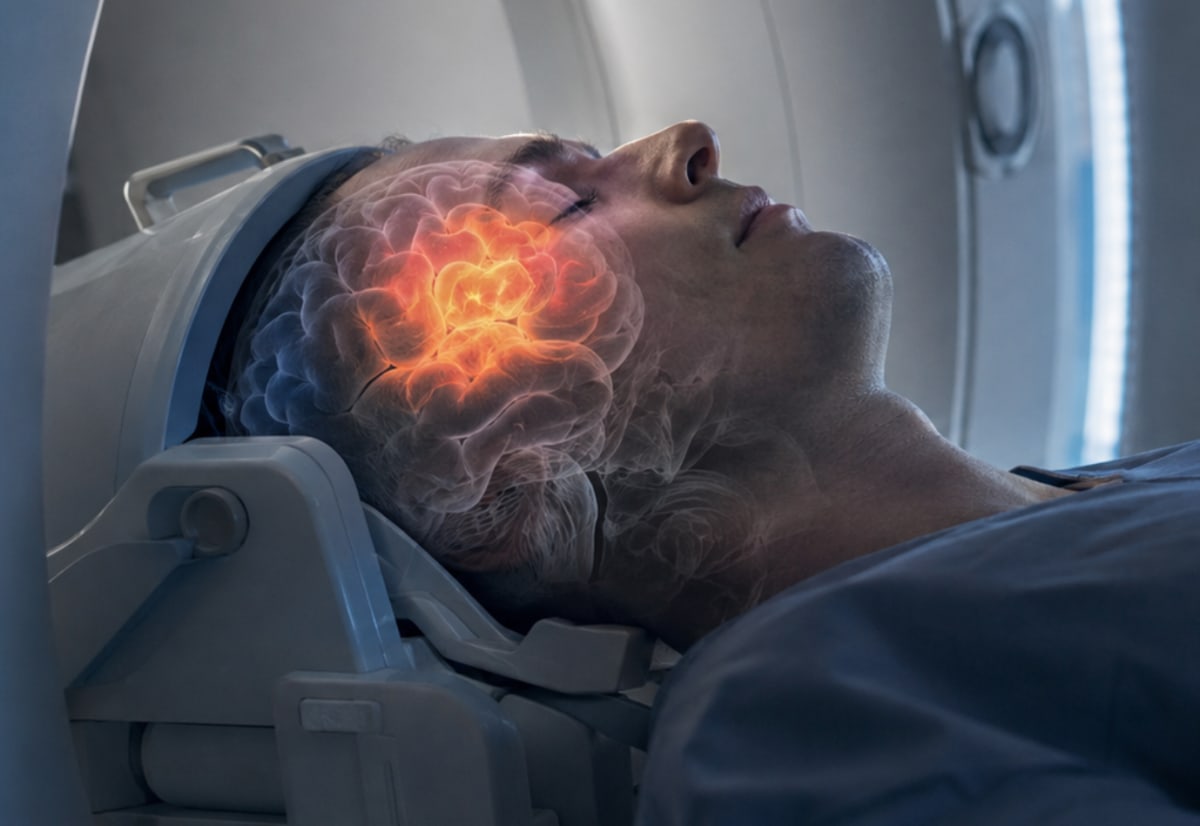
The team used functional MRI scans collected between 2007 and 2024. Participants had been doing various activities during these scans, from reading and listening to math problems, music appreciation, and even just resting. When researchers analyzed the brain activity patterns without knowing what tasks people were performing, the same language network appeared every single time.
The network typically sits in the left side of the brain, concentrated in frontal and temporal regions. But here's the fascinating part: while everyone has this network, its exact shape varies from person to person like a fingerprint. This explains why using the same brain coordinates for everyone during treatment or surgery doesn't always work perfectly.
Why This Inspires
This discovery opens doors that were previously locked tight. Doctors could study existing brain scans to understand language function without requiring new specialized tests. Neurosurgeons planning operations could better map critical language areas unique to each patient. People who've lost speech abilities after strokes or injuries might benefit from more targeted treatments.
The research also offers hope for developing better speech prostheses for people who can't speak. Understanding where and how the brain naturally processes language gives engineers a clearer target for devices that translate brain signals into words.
Perhaps most exciting is what this reveals about human nature itself. Language isn't just something we do, it's something we are. The network's constant presence shows how deeply language is woven into our consciousness, always ready to help us connect, communicate, and understand the world around us.
This stable, ever-present system represents millions of years of evolution creating the most sophisticated communication tool in the known universe, and it lives quietly in every human brain.
More Images

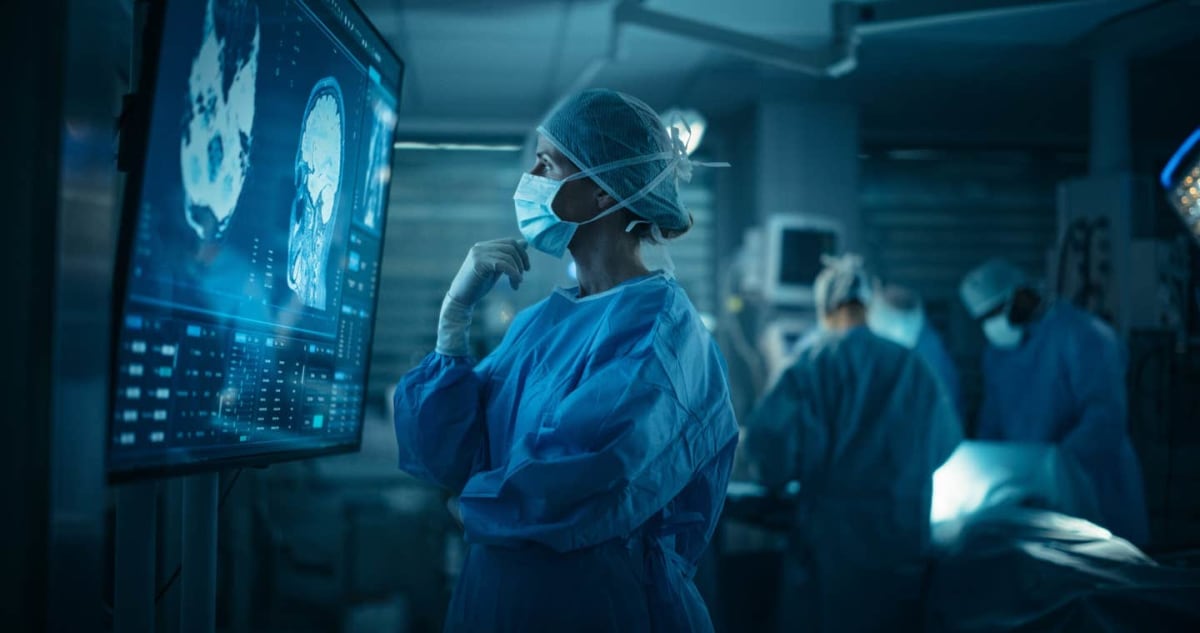

Based on reporting by Google News - Scientists Discover
This story was written by BrightWire based on verified news reports.
Spread the positivity!
Share this good news with someone who needs it