Lab-Grown Neurons May End Chronic Pain Without Pills
Scientists at Johns Hopkins created a "pain sponge" from stem cells that blocks pain signals before they reach the brain. Early tests in mice show it both relieves osteoarthritis pain and helps repair damaged joints.
What if chronic pain could be stopped at its source instead of masked with medication? Researchers at Johns Hopkins School of Medicine are making that vision possible with lab-grown neurons that act like a cellular sponge for pain.
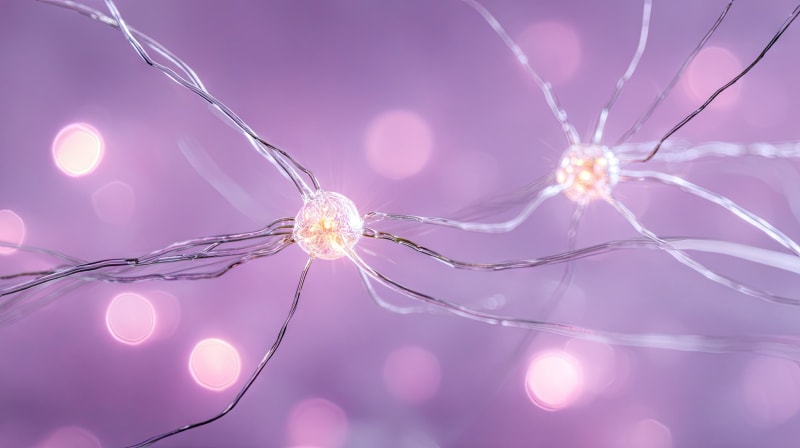
The experimental therapy, called SN101, uses human stem cells transformed into specialized sensory neurons. When injected into the inflamed joints of mice with osteoarthritis, these neurons intercept pain signals right where inflammation happens, before the brain ever registers discomfort.
Unlike painkillers that dull pain after the nervous system detects it, this approach works more like noise-canceling headphones at the cellular level. The engineered neurons coexist with natural nerve cells, soaking up inflammatory signals at the source.
The results surprised even the researchers. Not only did the pain sponge block pain, but it also appeared to help repair damaged cartilage and bone in the arthritic joints.
"The possibility that the therapy could both relieve pain and slow cartilage degeneration is particularly compelling for osteoarthritis," said Dr. Chuan-Ju Liu, an orthopedics professor at Yale University not involved with the study. Around nine percent of people with knee osteoarthritis currently rely on opioids despite the risk of addiction and other serious side effects.
Dr. Gabsang Lee, the neurology professor who led the research, designed the therapy to reflect how pain and inflammation naturally work in the body. The neurons express multiple pain receptors, making them more targeted than drugs that simply block signals downstream.
"Theoretically, this could work for all kinds of chronic pain," said Daniel Saragnese, co-founder of SereNeuro Therapeutics, the biotech company developing SN101. Chronic pain affects millions of people and lasts longer than three months, making it notoriously difficult to manage.
The Bright Side
This research takes stem cell science in a fresh direction. Rather than replacing damaged neurons like previous therapies attempted, SN101 adds new ones that work as biological filters. It's a fundamental shift from suppressing the brain's pain response to stopping the pain message before it travels.
Before human trials can begin, the therapy needs rigorous safety testing. Researchers must confirm the neurons won't trigger unwanted immune responses and will work in human joints, which differ significantly from mouse joints in size and complexity.
If future studies confirm its safety and effectiveness, people living with chronic pain might one day have an alternative to the pill bottle.
Based on reporting by Optimist Daily
This story was written by BrightWire based on verified news reports.
Spread the positivity!
Share this good news with someone who needs it