Lab-Grown Spinal Cords Help Test Paralysis Treatment
Scientists at Northwestern University created the most advanced lab-grown human spinal cord model yet, and it's already showing promising results for a breakthrough therapy that could help paralyzed patients walk again. The "dancing molecules" treatment reduced scarring and sparked nerve growth in injured tissue.
Imagine testing life-changing treatments for paralysis without waiting years for animal studies or risking patient safety too early. That's exactly what Northwestern University scientists just made possible.
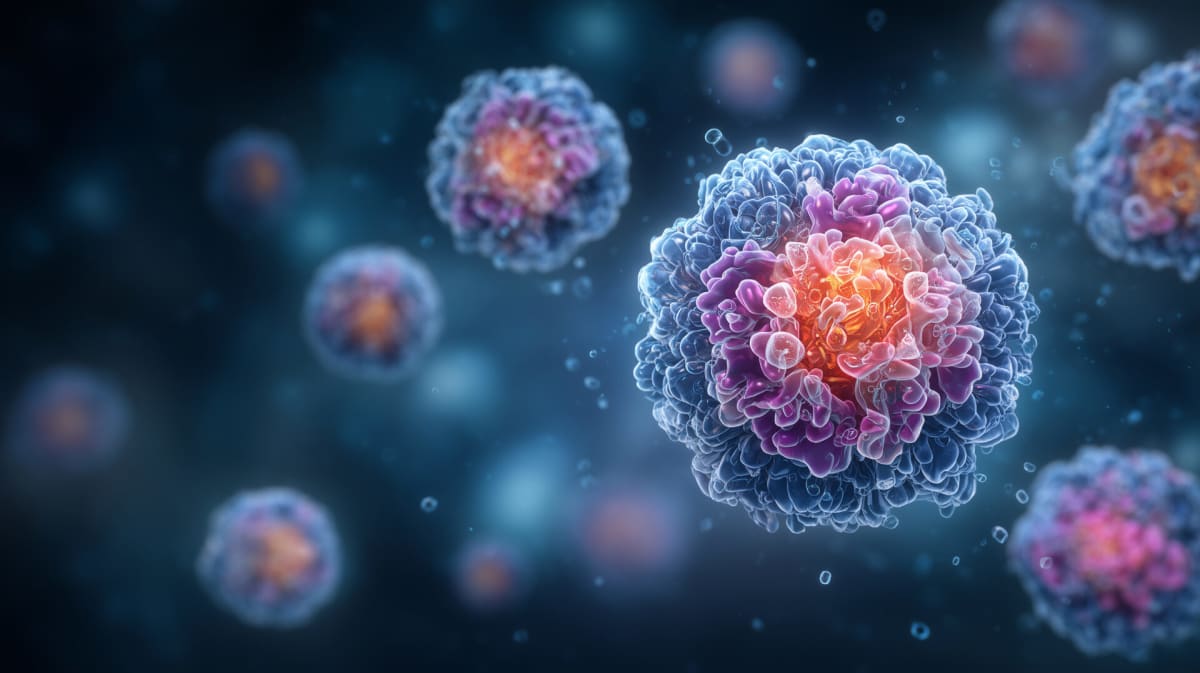
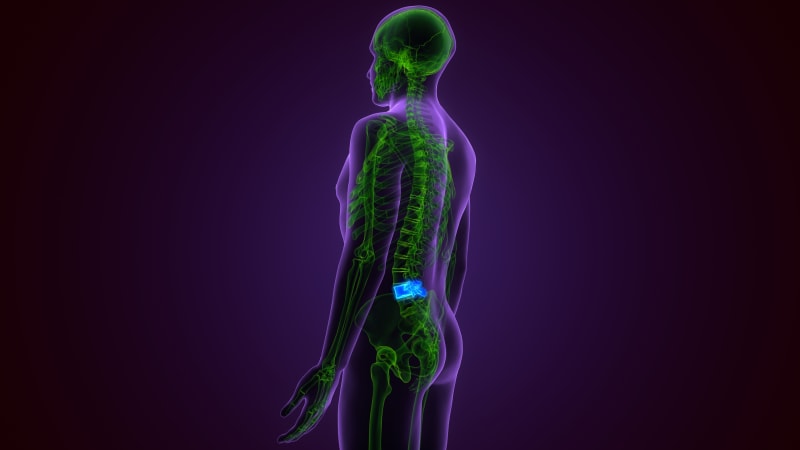
Researchers have grown tiny human spinal cords in the lab that behave remarkably like the real thing. These organoids mimic everything that happens after a spinal injury: cells die, inflammation flares up, and scar tissue forms that blocks nerves from healing.
But here's where it gets exciting. The team used these mini spinal cords to test a therapy called "dancing molecules" that previously reversed paralysis in animals. The treatment works by injecting a liquid that transforms into a gel network mimicking the spinal cord's natural structure.
The secret is in the motion. These molecules move rapidly to connect with cellular receptors that are also constantly moving. Think of it like a dance floor where fast-moving partners meet more often than wallflowers.
When applied to injured organoids, the dancing molecules made glial scars fade dramatically and sparked long extensions of neurons to grow and reconnect. The therapy recently received Orphan Drug Designation from the FDA, moving it closer to human trials.
"After applying our therapy, the glial scar faded significantly to become barely detectable, and we saw neurites growing," said Samuel Stupp, who invented the dancing molecules. "This is validation that our therapy has a good chance of working in humans."
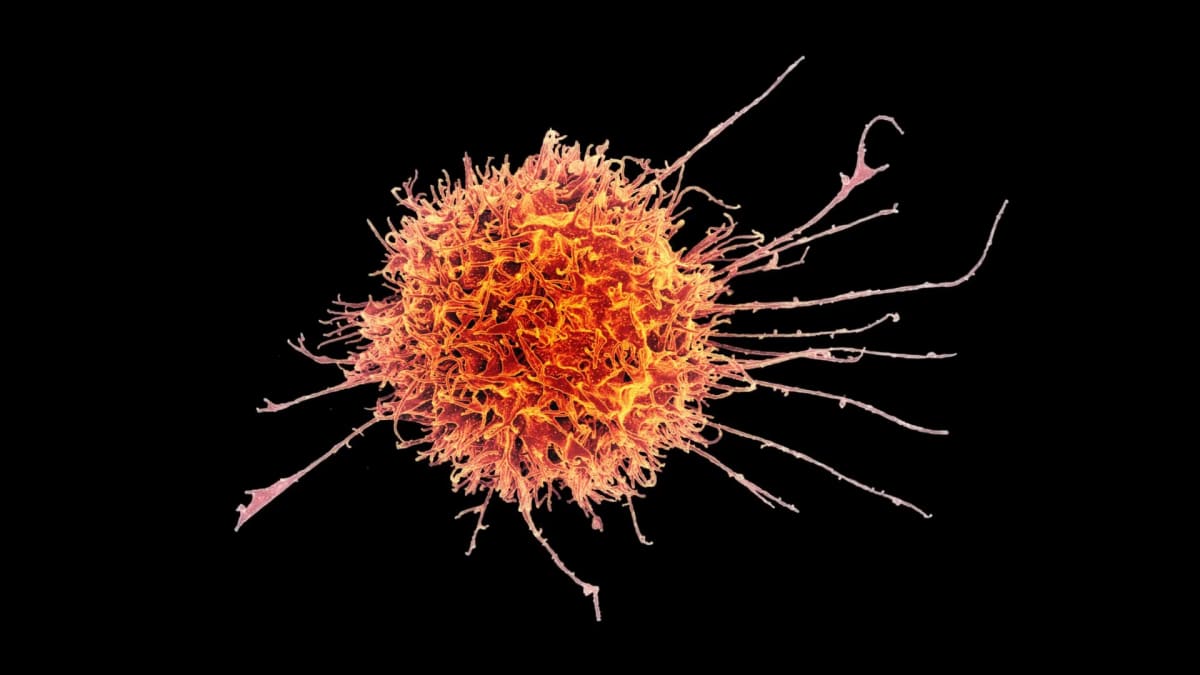
The team made another breakthrough by including microglia in their organoids for the first time. These immune cells respond to injury just like they do in real spinal cords, making the model more accurate than ever before.
Why This Inspires
This technology means faster, safer paths to cures. Traditional drug testing relies heavily on animal studies that take years and often don't translate to humans. These organoids bridge that gap, offering real human tissue responses without clinical trial risks.
The team tested two types of injuries in their organoids, laceration and contusion, and both showed the same healing patterns. When they used molecules that moved slowly or not at all, nothing happened. But the dancing molecules produced vivid nerve growth.
Stupp plans to create even more advanced models, including chronic injury versions and personalized organoids grown from individual patient stem cells. That could mean custom-tested treatments and even implantable tissue grown from your own cells.
For the nearly 300,000 Americans living with spinal cord injuries, this research offers something precious: hope grounded in human biology, not just animal promises.
More Images
Based on reporting by Google News - New Treatment
This story was written by BrightWire based on verified news reports.
Spread the positivity!
Share this good news with someone who needs it