Ladakh's Yak Cheese Wins Gold at Brazil Competition
A traditional cheese made by nomadic families in Ladakh's high-altitude villages just won gold at an international competition in Brazil. Yak Churpi, crafted for generations from yak milk, is finally getting the global recognition it deserves.
A cheese that's been made the same way for generations in the mountains of Ladakh just beat out competitors from around the world.
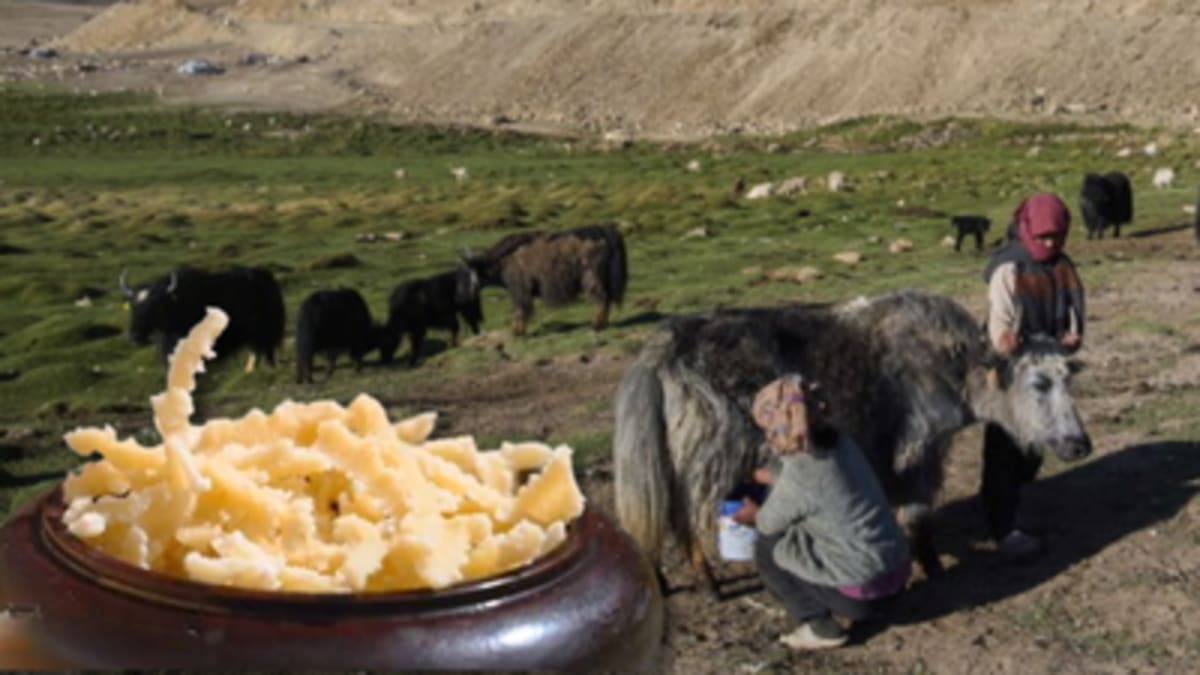
Yak Churpi, a traditional cheese made from yak milk, won gold at the Mundial do Queijo do Brasil 2026 in São Paulo, Brazil. The winning sample came from Thenlay Nurboo's Nordic Farm in Leh, Ladakh, where his family has been making this cheese for years.
Nurboo never set out to create an award-winning product. After training at SECMOL, an alternative education center, he returned home to work with his family's herd of 100 yaks. He tried making European-style cheeses like mozzarella, but Ladakh's extreme cold and dryness made it nearly impossible.
So he decided to focus on what his community already knew how to make perfectly. The result was the same cheese nomadic families have been eating for generations, just refined with care and traditional methods.
Making Yak Churpi is a simple but time-intensive process. Fresh yak milk is turned into curd, then churned to separate butter from buttermilk. The remaining liquid is boiled until curds form, then hung in cotton cloth to drain. After kneading and shaping by hand, the cheese cakes are dried in Himalayan sunlight for two to three days.
The cheese has a slightly bitter, mildly sour taste that's nothing like typical supermarket varieties. It's traditionally added to soups, curries, and noodle dishes during Ladakh's harsh winter months. Nurboo also makes sweeter versions shaped like little moons.
Yak milk is precious and limited. Each female yak produces only about 1.5 liters daily during productive season. Nurboo's entire herd yields roughly 60 to 70 liters a day, making just 15 to 20 kilograms of Churpi.
Nurboo couldn't attend the competition in Brazil because he didn't receive his required yellow fever vaccination in time. A four-kilogram sample of his soft yak Churpi went without him, and the award was announced later to widespread celebration.
The Ripple Effect
The gold medal has changed more than just Nurboo's farm. Local prices have risen from about 1,100 rupees per kilogram to between 1,600 and 2,000 rupees as demand grows. Other families in Ladakh who make Churpi are now seeing increased interest in their traditional craft.
Prime Minister Narendra Modi congratulated the Indian cheesemakers, bringing national attention to a product that was once only available in small quantities at local markets. What nomadic families have known for generations, the world is now discovering.
A cheese that fed mountain communities through cold winters is now feeding something else: pride in traditions that work perfectly just as they are.
More Images



Based on reporting by Times of India - Good News
This story was written by BrightWire based on verified news reports.
Spread the positivity!
Share this good news with someone who needs it