Lagos Plans to Triple Data Centers as AI Demand Soars
Nigeria's largest city is betting big on becoming Africa's tech infrastructure capital, planning to boost data center capacity threefold by 2030. The move could help African businesses keep nearly $1 billion in annual cloud spending on the continent.
Lagos is preparing for an AI-powered future by massively expanding the infrastructure that makes it all possible.
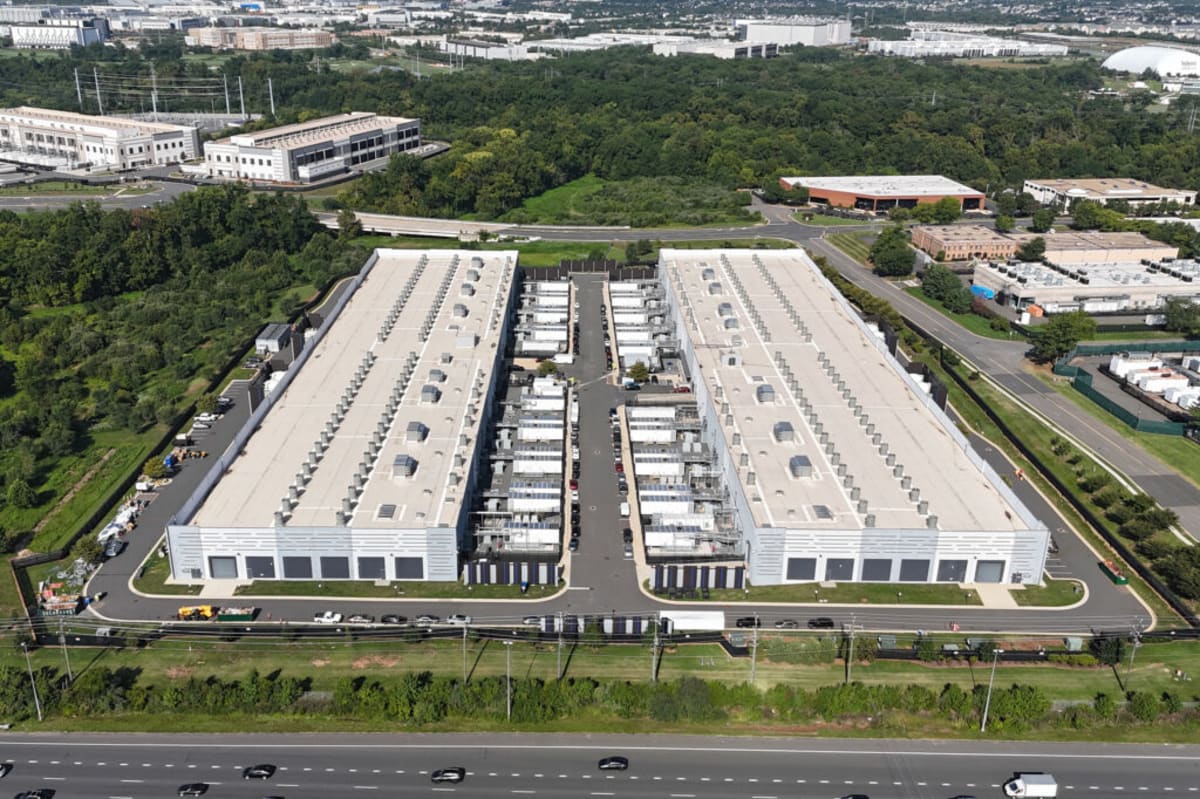
The Nigerian megacity plans to triple its data center capacity to over 250 megawatts by 2030, up from its current level. Lagos already hosts nearly three-quarters of Nigeria's commercial data centers, and officials say the expansion will cement the city's position as Africa's digital infrastructure hub.
The ambitious plan comes as African tech companies currently spend $850 million yearly on foreign cloud services. That money flows to data centers overseas, building capabilities elsewhere while African businesses depend on distant infrastructure for their most critical operations.
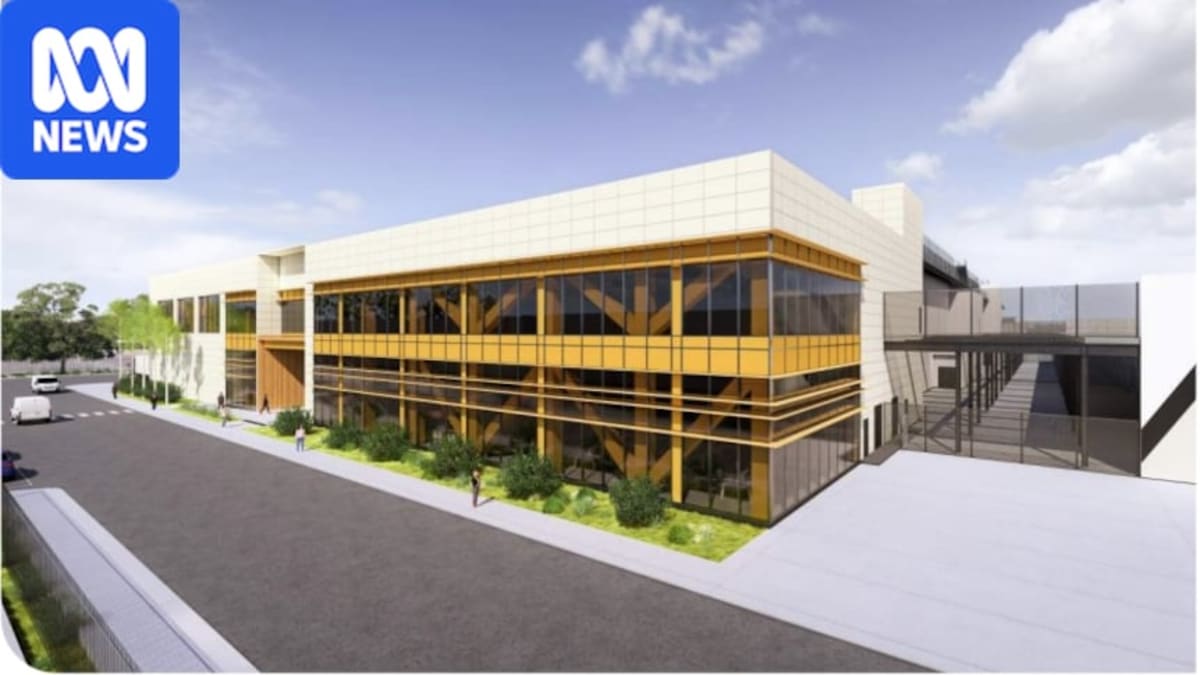
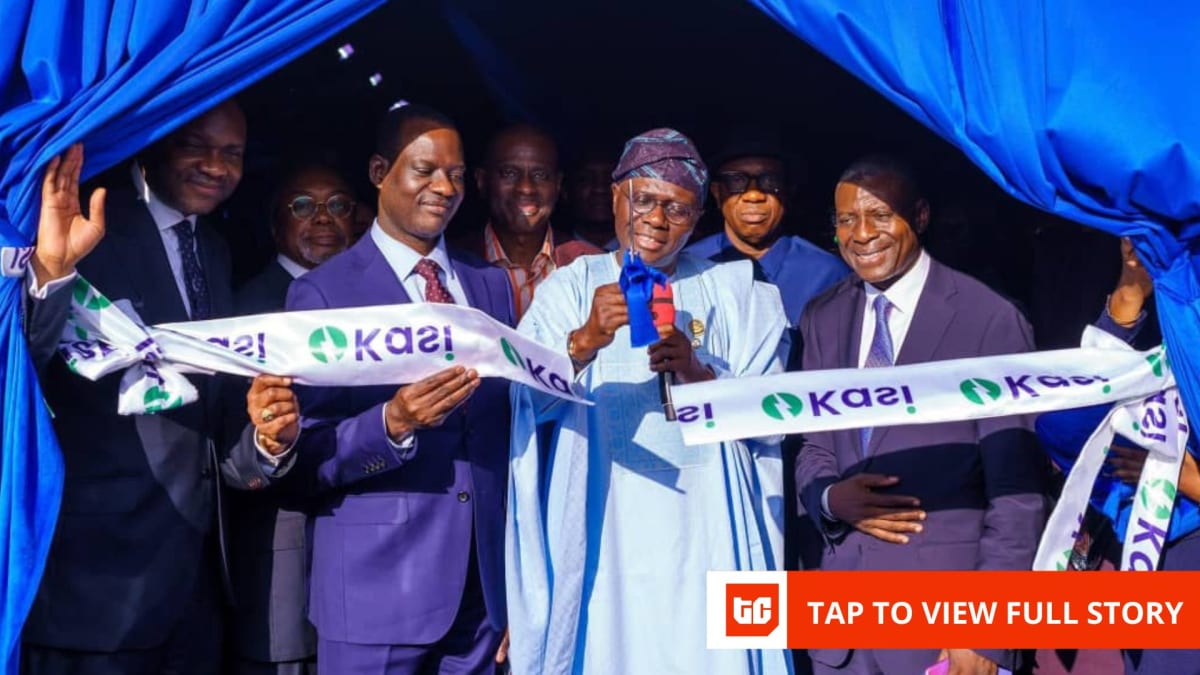
The new Kasi Cloud facility in Lagos represents the kind of change officials hope to see. The 40-megawatt campus launched with advanced computing power designed specifically for AI workloads, using the same chips that power cutting-edge AI systems worldwide.
Nigeria's Sovereign Investment Authority backed the project with $8 million, viewing local tech infrastructure as essential for economic leadership. "The nations that control their own compute infrastructure and data will be the ones positioned to lead," said Kolawole Owodunni, the authority's chief information officer.
Lagos hosts one of Africa's largest startup ecosystems, valued at over $15 billion. That thriving tech scene is expected to drive demand for local computing power, especially as AI adoption accelerates.
Research firm Arizton Advisory projects Nigeria will become Africa's fastest-growing data center investment market, with annual investments reaching nearly $770 million by 2031. An additional 146 megawatts of capacity are already in planning stages.
The Ripple Effect
The expansion could transform how African businesses build and deploy technology. When companies rely on distant data centers, they face higher costs, slower speeds, and less control over sensitive data.
Local infrastructure means African developers can train AI models using local data, creating systems better suited to African languages, contexts, and needs. It also means jobs, technical expertise, and economic value stay within the continent's borders.
The facility represents Lagos evolving from simply hosting startups to providing the fundamental infrastructure those companies need to scale. "Lagos is no longer simply a startup city," said Olatubosun Alake, the city's innovation commissioner. "It is an infrastructure city."
Challenges remain, including energy costs that surged 64% since early 2026 and unstable national electricity supply. But Lagos officials believe the market has already decided where Africa's digital future will be built.
By 2030, hundreds of megawatts of computing power could be humming in Lagos, processing data and running AI systems for businesses across the continent.
Based on reporting by TechCabal
This story was written by BrightWire based on verified news reports.
Spread the positivity!
Share this good news with someone who needs it