California Puts Data Centers in Oil Fields to Save Water
A California oil company found a solution to data centers' biggest problem: putting them where nobody lives. The move could help communities avoid energy strain and water shortages while powering AI's growth.
California's largest oil company just figured out where to put data centers so communities won't fight them: in century-old oil fields where nobody lives nearby.
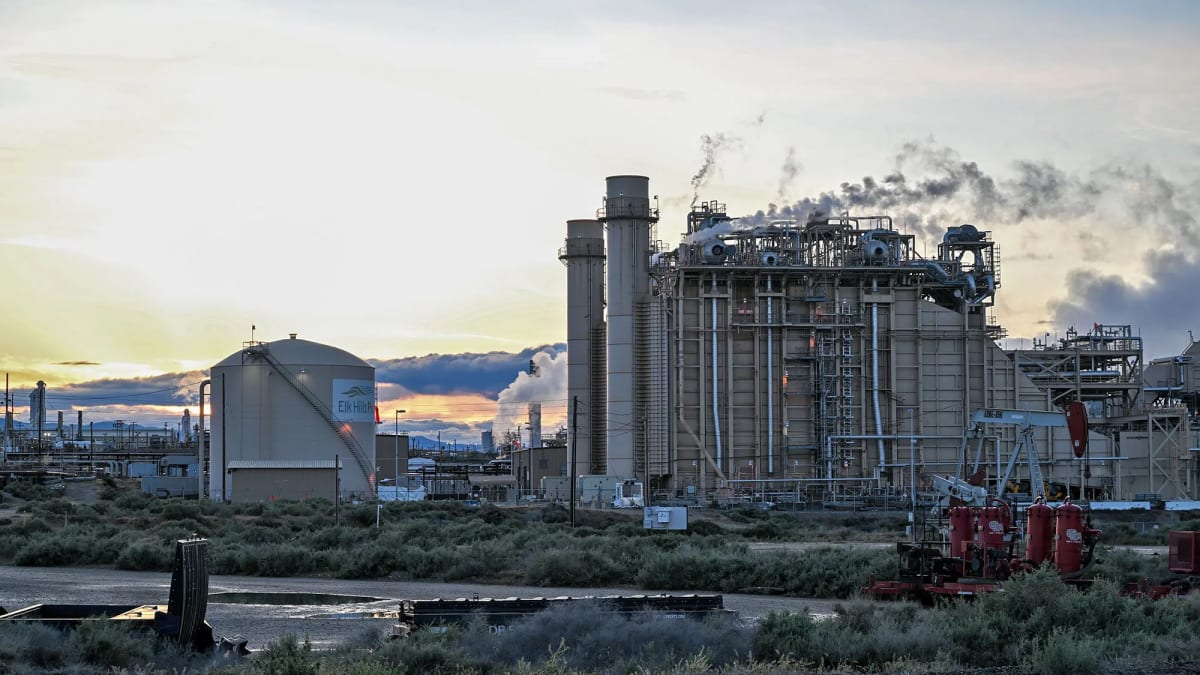
California Resources Corporation announced plans this week to build a massive 600,000-square-foot data center campus in the Elk Hills oil field, about two hours north of Los Angeles. The site sits more than a mile from the nearest homes on land that's already been industrial for over 100 years.
The timing couldn't be better. Recent polling shows Democrats and Republicans alike oppose having data centers in their neighborhoods, and hundreds of communities have fought these facilities over noise, skyrocketing energy bills, and water contamination fears. Just last month, lawmakers in New York, Texas, Pennsylvania, and Utah proposed limits on new data center construction.
The oil field location solves the problems that make data centers so unpopular. The facility won't gobble up farmland or install diesel generators near schools and homes. It already has access to power infrastructure and sits far from residential areas.
Chris Gould, the company's chief sustainability officer, says they're "repurposing an existing industrial site" while "minimizing impacts on local communities." The project will use one of the industry's most water-efficient cooling systems, a critical feature in drought-prone California.
Other states are catching on. Developers are planning similar projects in Texas's Permian Basin, which has abundant natural gas for electricity, and in Pennsylvania's shale country.
The Bright Side
This approach could transform how America builds the digital infrastructure needed for artificial intelligence and cloud computing. Instead of forcing rural communities to choose between economic growth and protecting their water supplies, developers can build where industrial activity already exists.
Gabriel Collins, an energy expert at Rice University's Center for Energy Studies, says communities in long-standing industrial zones find these projects "easier to deal with" because there's already a precedent. The company has held community meetings with residents in nearby Taft and Buttonwillow and promised financial support for local infrastructure like roads.
The project will create jobs and tax revenue in Kern County while supporting California's growing digital needs. It still faces strict environmental review that could take about a year, ensuring community concerns get heard.
For California Resources Corporation, it's also a smart business move as oil production declines. The company has been expanding into carbon capture and other technologies, using its existing industrial land and infrastructure in new ways.
The solution was hiding in plain sight all along: put the data centers where the power already is.
More Images

Based on reporting by Reasons to be Cheerful
This story was written by BrightWire based on verified news reports.
Spread the positivity!
Share this good news with someone who needs it