Wind Turbines Get Lighter, Taller, and Even Bladeless
Engineers worldwide are reinventing wind turbines with floating designs, airborne platforms, and vibrating bladeless towers. These innovations could unlock clean energy in places traditional turbines can't reach.
The wind turbine is getting a makeover, and the results look nothing like the giant three-bladed towers we're used to seeing.
Energy companies are racing to solve wind power's biggest challenges with designs that sound like science fiction. Some turbines now float on deep ocean waters. Others hover two kilometers in the sky, tethered like electric kites. One Spanish design doesn't even have blades.
The push comes as global wind capacity keeps breaking records. The world added 170 gigawatts of wind power in 2025, enough to power millions of homes with clean energy.
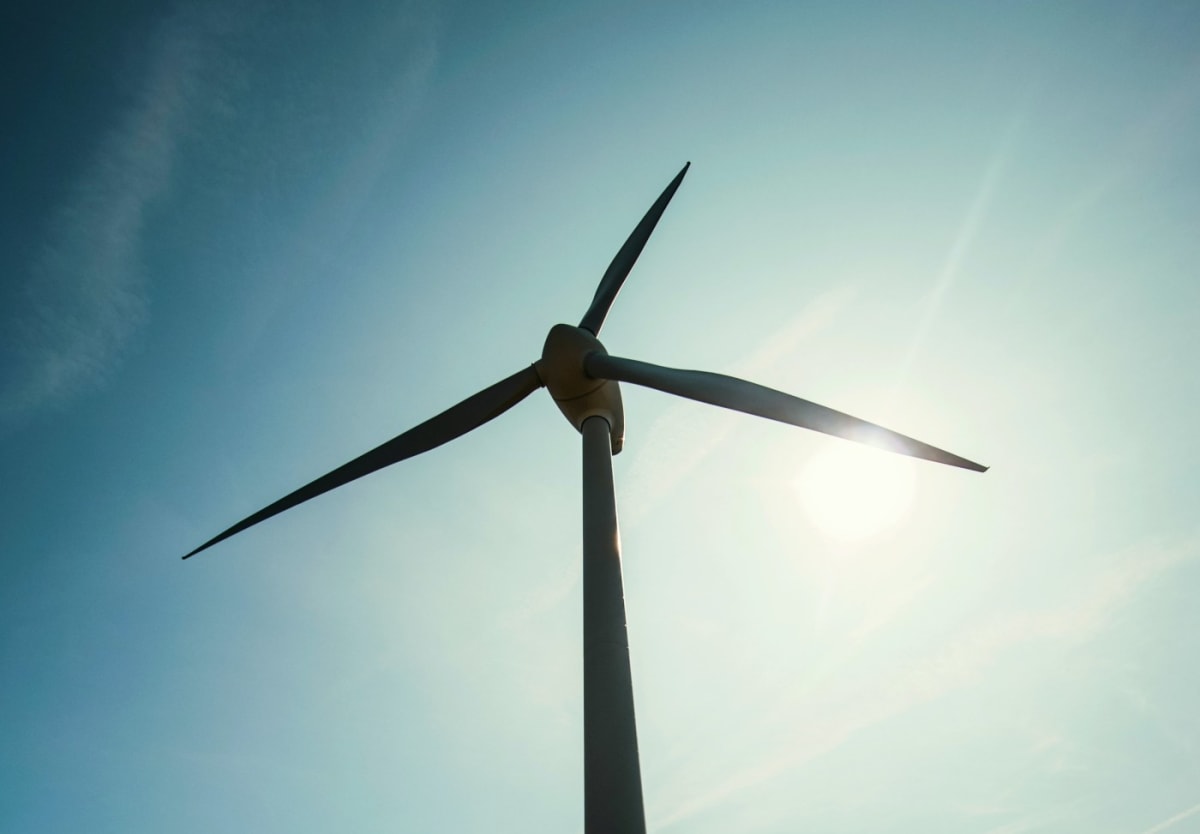
Traditional turbines have come a long way too. Modern blades stretch over 220 meters across, longer than two football fields. They're packed with sensors that adjust their angle in real time to catch every gust, producing over 15 megawatts per unit.
But the really exciting stuff is happening offshore. Spanish startup Optimised Generators just developed a 15-megawatt turbine generator that's cheaper, lighter, and easier to fix than current models. This matters because most of the ocean's wind potential sits in waters over 60 meters deep, too deep for turbines anchored to the seafloor.
Floating wind farms could tap this massive energy source, but they've struggled with tricky installations and expensive repairs. The new lightweight design solves many of those problems.
China recently tested something even more ambitious. The S2000 Stratosphere Airborne Wind Energy System successfully generated power while hovering at 2,000 meters altitude in Sichuan Province. The airship platform sends electricity down to the grid through overhead cables.
Then there's Vortex Bladeless, a 3-meter-tall cylinder that looks more like a giant reed than a turbine. It has no spinning blades at all. Instead, it vibrates in the wind, turning that oscillation into electricity.
The Ripple Effect
These designs aren't meant to replace traditional wind farms. They're filling gaps where conventional turbines fall short. Bladeless turbines could work in cities and neighborhoods where spinning blades aren't practical. Floating turbines unlock vast stretches of deep ocean. Airborne systems reach stronger, steadier winds at higher altitudes.
Together, they're expanding where clean energy can happen. The U.S. alone plans to add 46 gigawatts of new wind capacity between 2025 and 2029, and these innovations make more locations viable for development.
Each breakthrough brings us closer to powering more of the world without burning fossil fuels. As inventor David Yáñez put it, these new technologies "help to fill the gaps where traditional wind farms might not be appropriate."
The wind has always been free and abundant—we're just getting better at catching it.
More Images

Based on reporting by Google News - Wind Energy
This story was written by BrightWire based on verified news reports.
Spread the positivity!
Share this good news with someone who needs it