Robotics Firm Makes Robot Arms Accessible to 70 Countries
A decade ago, advanced robotics was locked away in factories and labs. One company decided everyone deserves a chance to build the future.
Ten years ago, Elephant Robotics started with a radical idea: robots shouldn't just belong in factories. They should be in classrooms, maker spaces, and the hands of anyone curious enough to learn.
The Shenzhen-based company just celebrated its 10th anniversary, marking a decade of making professional robotics accessible to students, educators, and innovators worldwide. What started as an industrial robotics startup has grown into a global education movement serving users in over 70 countries.
The turning point came in 2020 with myCobot, one of the world's first lightweight six-axis robotic arms designed for learning. Before myCobot, robotic arms cost thousands of dollars and required specialized training. The company reimagined them as compact, open-source platforms that students could actually afford and understand.
Today, Elephant Robotics ships over 60,000 robots annually. The company holds more than 150 core patents and works with over 200 global partners to bring robotics education to life.
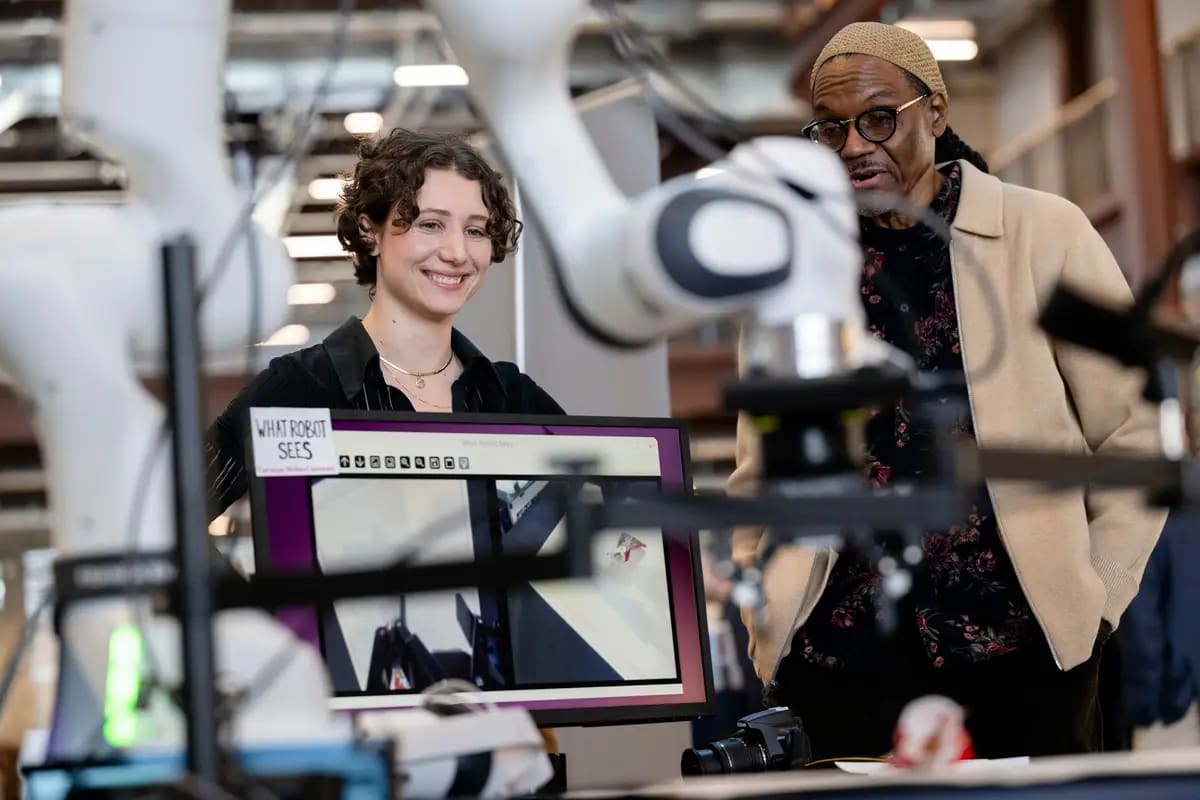
More than 500 universities and research institutions now use these robots for teaching and research. Students explore artificial intelligence, autonomous systems, and problem-solving through hands-on projects instead of just reading textbooks.
The robots appear in roughly 100 academic papers each year, supporting research in manufacturing, agriculture, healthcare, and smart home technologies. What was once accessible only to elite research labs now sits on classroom desks from elementary schools to graduate programs.
The Ripple Effect
The impact reaches far beyond individual students. By making robotics education affordable and practical, Elephant Robotics is helping solve a critical workforce challenge.
As AI and automation transform industries, the demand for robotics engineers and developers continues to grow rapidly. Yet many students, especially in underserved communities, never get the chance to explore these fields because the technology feels out of reach.
Robotics education develops more than technical skills. Students learn engineering thinking, creativity, and interdisciplinary problem-solving. They discover how to connect theoretical knowledge with real-world applications through projects they can touch, program, and troubleshoot themselves.
The company's vision, "Enjoy Robot World," reflects a belief that technology should invite people in rather than keep them out. By transforming professional robotics into accessible platforms, they're opening doors for the next generation of innovators.
From K-12 STEM programs to advanced university research, students worldwide now have tools to build, experiment, and dream bigger about what's possible.
Based on reporting by Google: robotics innovation
This story was written by BrightWire based on verified news reports.
Spread the positivity!
Share this good news with someone who needs it