Lagos Takes Control of HIV Drugs, Clears Up Case Numbers
Lagos became the first Nigerian state to directly buy HIV medications, ensuring patients never run out of life-saving treatment. The announcement came as officials cleared up confusion about HIV numbers that had sparked unnecessary panic.
Lagos just made history in the fight against HIV, and it's solving a problem that's plagued healthcare across Africa for decades.
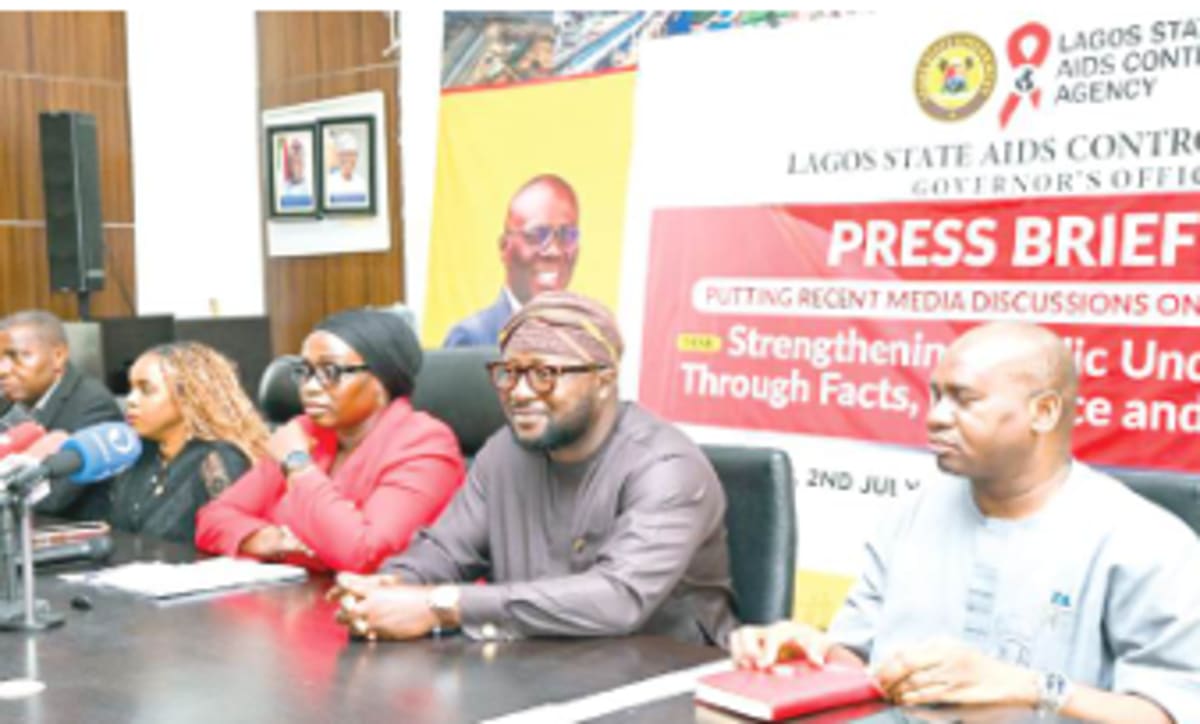
The state announced it will directly purchase antiretroviral drugs for HIV patients, becoming the first sub-national government in Nigeria to do so. The first batch of state-funded medications arrives in August 2026, marking a major shift away from dependence on international donors.
Dr. Folakemi Animashaun, who leads the Lagos State AIDS Control Agency, made the announcement while addressing another important issue. Reports had circulated that Lagos recorded 10,430 "new HIV infections" in 2025, creating panic among residents.
She clarified that those numbers represent newly diagnosed cases, not fresh infections. Many of those people likely contracted HIV years ago but only recently got tested.
The distinction matters. Lagos conducts more HIV tests than most Nigerian states because it's the country's most populous region and a major healthcare hub. In 2025 alone, the state performed 504,800 HIV tests and identified 11,940 positive cases, resulting in a 2.4 percent positivity rate.
The good news gets better. In the first quarter of 2026, that positivity rate dropped to 1.9 percent despite expanded testing, suggesting the epidemic is coming under better control.
Lagos currently treats 147,904 people with antiretroviral therapy, and 97 percent have achieved viral suppression. That's one of the strongest HIV treatment outcomes in Nigeria.
Progress on preventing mother-to-child transmission has been equally impressive. Early infant diagnosis positivity plummeted from 5.1 percent in 2020 to just 1.5 percent in 2025.
The Ripple Effect
The decision to directly procure HIV medications could transform how African states manage chronic diseases. For too long, regions have relied on unpredictable donor funding, leaving patients vulnerable when international priorities shift.
Lagos is creating a model other states can follow. Officials are exploring local production of HIV commodities with help from the Joint United Nations Programme on HIV/AIDS and drawing lessons from Kenya's supply chain successes.
This approach builds resilience into the healthcare system. When states control their own drug supply, patients don't face treatment interruptions that can lead to drug resistance and declining health.
The state's strong surveillance system, which some mistook as evidence of worsening conditions, is actually a sign of healthcare strength. Better testing and detection means more people get treatment before the virus progresses.
Lagos residents are encouraged to continue testing and accessing prevention services without fear. With early diagnosis and sustained treatment, people living with HIV can live healthy, productive lives.
Based on reporting by Vanguard Nigeria
This story was written by BrightWire based on verified news reports.
Spread the positivity!
Share this good news with someone who needs it